

Struggling to get traffic to your online store even after adding great products?
The problem often isn’t your products, it’s your keyword strategy.
Getting your ecommerce store online is simple but getting customers to find it is where the real challenge begins. Thousands of businesses are competing for the same audience, and without a strong SEO foundation, your store can easily get lost in the noise.
This is where ecommerce keyword research becomes critical.
Keyword research isn’t just about finding popular search terms, it’s about understanding your audience, their intent, and how they search for products. When done correctly, it helps you position your products in front of the right people at the right time.
“Good SEO is not about ranking for everything, it’s about ranking for the right things.”
A well-researched keyword strategy can:
- Drive highly targeted traffic
- Improve search engine rankings
- Increase conversions and revenue
This guide will walk you through everything from the basics to advanced strategies so you can build a powerful and scalable ecommerce SEO system.
What is Ecommerce Keyword Research?

Ecommerce keyword research is the foundation of every successful online store, helping businesses understand exactly what their potential customers are searching for before making a purchase. It involves finding and analyzing search queries that people use to discover products online. These keywords guide how you structure your:
- Product pages
- Category pages
- Blog content
- Ads and marketing campaigns
Unlike general SEO, ecommerce keyword research focuses heavily on buyer intent keywords that lead to purchases, not just traffic.
For example:
- “Running shoes” → Broad keyword
- “Buy waterproof running shoes online” → High purchase intent
Keywords act as a bridge between your products and customer searches, and effective keyword research ensures that your store appears in front of the right audience at the right time. When used correctly, they not only improve visibility on search engines but also increase conversions by targeting users who are ready to take action.
How It Differs from Traditional Keyword Research
Ecommerce keyword research is more focused on driving sales, while traditional keyword research is mainly about attracting traffic and educating users. The key difference lies in the search intent, what the user actually wants to do.
In traditional SEO, users are often in the awareness or learning stage, searching for information, guides, or answers. In ecommerce SEO, users are usually in the decision or purchase stage, meaning they are closer to buying a product.
Core Differences
| Traditional SEO | Ecommerce SEO |
| Focus on traffic | Focus on conversions |
| Blog-heavy content | Product & category-focused |
| Informational keywords | Transactional & commercial keywords |
| Long-form guides & tutorials | Product descriptions & landing pages |
| Early-stage audience | Ready-to-buy audience |
For example:
- Informational: “how to choose a laptop”
- Transactional: “buy gaming laptop under 1000”
Ecommerce success depends on targeting keywords that lead to purchases, not just clicks.
Why Ecommerce Keyword Research is Important
Ecommerce keyword research is more than just SEO; it’s a strategy that drives visibility, attracts the right audience, and boosts revenue. It helps you understand how customers search and ensures your products reach users who are ready to buy.
UsinUsing the right keywords can make the difference between low traffic and consistent sales growth.
1. Drives High-Intent Traffic
Unlike social media traffic, SEO traffic comes from users actively searching for products. This means they are already interested and more likely to convert. These visitors have a clear purpose, which makes them far more valuable than casual browsers.
2. Improves Search Engine Rankings
Search engines like Google rely on keywords to understand your content. When your pages are optimized with the right keywords, they are more likely to rank higher in search results, increasing your visibility and organic reach.
3. Boosts Conversion Rates
Targeting transactional keywords ensures that your visitors are closer to making a purchase. This leads to higher conversion rates because your content matches exactly what the user is looking for at the buying stage.
4. Helps Understand Customer Behavior
Keyword data provides deep insights into your audience, including:
- What customers want
- How they search
- What problems they face
This information can help you improve not only SEO but also product development, pricing, and marketing strategies.
5. Provides Competitive Advantage
By analyzing competitor keywords, you can:
- Discover content gaps
- Target untapped opportunities
- Identify high-performing keywords
- Outrank competitors in search results
6. Optimizes Product and Category Pages
Proper keyword research ensures your product titles, descriptions, and category pages are aligned with search demand, making them easier to find and more relevant to users.
7. Supports Better Content Strategy
It helps you plan blog topics and guides that attract potential buyers at different stages of the buying journey, from research to final decision.
8. Enhances Paid Advertising Performance
Using the right keywords in your ads improves targeting, reduces wasted ad spend, and increases return on investment (ROI).
9. Increases Long-Term Organic Growth
Unlike paid ads, SEO traffic driven by keywords continues to bring visitors over time, making it a sustainable and cost-effective growth strategy.
10. Improves User Experience
When your content matches user intent, visitors find exactly what they’re looking for. This reduces bounce rates and increases engagement on your site.
Types of Ecommerce Keywords
Ecommerce keywords are the foundation of a successful online store, helping you reach customers at different stages of their buying journey. Each keyword type serves a specific purpose,some attract users, while others drive conversions.
Understanding these types allows you to create a balanced strategy that not only increases traffic but also boosts sales. By using the right mix, you can target both discovery and purchase intent effectively.
1. Short-Tail Keywords
Short-tail keywords are broad search terms that usually consist of one or two words. They attract a large audience but often lack clear intent, making them highly competitive and harder to rank for. While they bring high traffic, conversions are usually lower because the search is not very specific.
Example: laptops
Important: Useful for visibility but not the most important for conversions
2. Long-Tail Keywords
Long-tail keywords are more specific and detailed phrases that reflect exactly what users are searching for. They may have lower search volume, but they attract a highly targeted audience with clearer intent. These keywords are easier to rank for and often lead to better conversions.
Example: best lightweight laptop for students under 800
Important: Very important (high conversions & sales driver)
3. Informational Keywords
Informational keywords are used by users who are looking for answers, tips, or guidance. These users are in the early stage of the buying journey and are not ready to purchase yet. However, they are valuable for building trust and bringing potential customers into your funnel.
Example: how to clean white shoes
Important: Important for traffic and brand authority
4. Commercial Keywords
Commercial keywords are used by users who are researching and comparing products before making a purchase. They are closer to buying and often look for reviews, comparisons, or recommendations. These keywords play a key role in influencing decisions.
Example: best running shoes for beginners
Important: Very important (decision-making stage)
5. Transactional Keywords
Transactional keywords show strong buying intent. Users searching with these keywords are ready to take action, such as buying or ordering a product. These are the most valuable keywords for ecommerce because they directly lead to conversions and revenue.
Example: buy running shoes online
Important: Most important (direct sales & revenue)
6. Navigational Keywords
Navigational keywords are used when users are searching for a specific brand, website, or store. These users already know what they want, making them highly valuable for brand-focused traffic. They usually have high click-through rates.Example:Nike official store
Important: Important for brand visibility and trust
Understanding Search Intent
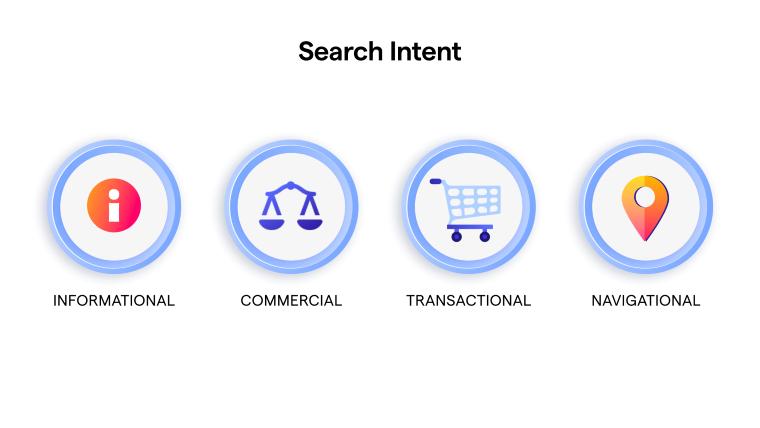
Search intent is one of the most important factors in SEO because it defines what the user actually wants when they type a query into a search engine. Even if you use the right keywords, your content will not rank well unless it matches the user’s intent.
Search engines like Google prioritize pages that best satisfy user needs, making intent a critical part of ecommerce success. Understanding intent helps you create the right type of content, improve user experience, and increase conversions.
Types of Search Intent
1. Informational Intent
Users with informational intent are looking to learn something or find answers to their questions. They are not ready to buy yet but are gathering knowledge.
Best Content: Blog posts, guides, tutorials
Example: how to choose the right laptop
Importance: Important for traffic and awareness
2. Commercial Intent
These users are researching products and comparing different options before making a decision. They are closer to buying but still evaluating choices.
Best Content: Comparison pages, reviews, “best of” articles
Example: best laptops for students under 1000
Importance: Very important (influences buying decision)
3. Transactional Intent
Users with transactional intent are ready to make a purchase. They often use action words like “buy,” “order,” or “shop.”
Best Content: Product pages, landing pages
Example: buy laptop online under 1000
Importance: Most important (direct conversions & sales)
4. Navigational Intent
These users are searching for a specific brand, website, or product. They already know where they want to go.
Best Content: Homepage, brand pages
Example: Dell official website
Importance: Important for brand traffic
Why Intent Matters
If your content does not match the user’s intent, even strong SEO efforts can fail. Search engines analyze user behavior to determine whether your page satisfies the query.
If intent is mismatched:
- Rankings drop
- Bounce rate increases
- User engagement decreases
- Conversions decline
Matching search intent = higher rankings + better user experience + more conversions
Quick Summary: Search Intent
| Intent Type | User Goal | Best Content Type | Example | |
| Informational | Learn information | Blog posts, guides | how to choose a laptop | |
| Commercial | Compare products | Reviews, comparisons | best laptops under 1000 | |
| Transactional | Ready to buy | Product pages | buy laptop online | |
| Navigational | Find specific site | Homepage/brand pages | Dell official website |
Step-by-Step Ecommerce Keyword Research Process
Ecommerce keyword research is a structured process that helps you discover, analyze, and organize the right keywords for your store. Instead of randomly choosing keywords, following a step-by-step approach ensures that your strategy is data-driven and focused on results. Each step plays a crucial role in building a strong SEO foundation that attracts the right audience and increases conversions.
Step 1: Identify Seed Keywords
Seed keywords are the starting point of your keyword research. These are basic terms that describe your products or niche and help you generate more keyword ideas. They are usually broad but essential for building your keyword list.
- Example (Shoes Store):
- running shoes
- sports shoes
- sneakers
- Think from a customer’s perspective
- Focus on core product categories
- Keep them simple and relevant
Step 2: Expand Keyword Ideas
Expanding keyword ideas is the process of turning your basic seed keywords into a broader list of related and more specific search terms. This step helps you uncover keyword variations, long-tail opportunities, and hidden search queries that your potential customers are using. It allows you to build a strong and diverse keyword list for better targeting and higher rankings.
Use tools like:
- Ahrefs
- SEMrush
- Google Keyword Planner
Also explore:
- Google autocomplete
- Related searches
- “People also ask”
Find synonyms and keyword variations
Look for question-based keywords
Step 3: Analyze Search Volume
Search volume shows how often a keyword is searched in a given time period. It is a crucial metric in keyword research because it helps you estimate the potential reach and traffic a keyword can bring to your website.
However, search volume alone should not be the only factor understanding its balance with competition and intent is equally important. Choosing the right keywords based on volume can significantly impact your SEO performance and visibility.
- High volume → More traffic but high competition
- Low volume → Less traffic but easier to rank
- Identify trending keywords
- Avoid keywords with zero or irrelevant searches
Best approach: Use a mix of high and low-volume keywords
Step 4: Check Keyword Difficulty
Keyword difficulty measures how hard it is to rank for a keyword based on the level of competition in search results. It is an essential factor in keyword research because it helps you understand whether you can realistically compete for a keyword. By analyzing keyword difficulty, you can prioritize opportunities that match your website’s authority and resources. Choosing the right difficulty level ensures faster rankings and more efficient SEO efforts.
- New websites → Focus on low-difficulty keywords
- Established sites → Target medium to high difficulty
- Analyze top-ranking competitors
- Balance difficulty with search volume
Step 5: Focus on Buyer Intent
Buyer intent refers to the likelihood that a user is ready to take action, especially making a purchase. In ecommerce keyword research, this is one of the most important factors because not all traffic leads to sales.
By targeting keywords that reflect strong buying intent, you can attract users who are more likely to convert into customers. Focusing on intent ensures that your SEO efforts drive revenue, not just visitors.
Keywords with strong buyer intent often include words like:
- buy
- best
- discount
- cheap
These words signal that the user is close to making a purchase decision.
Step 6: Competitor Analysis
Competitor analysis is the process of studying other websites in your niche to understand what keywords and strategies are helping them rank. Instead of starting from scratch, you can learn from what’s already working and apply those insights to your own store.
This step helps you discover profitable keywords, identify missed opportunities, and improve your overall SEO strategy faster. By analyzing competitors, you can make smarter decisions and gain an edge in search rankings.
Analyze competitors to find:
- Ranking Keywords
Discover which keywords your competitors are ranking for. These keywords are already proven to drive traffic and can be valuable targets for your strategy. - Content Gaps
Identify topics or keywords your competitors are ranking for but you are not. This helps you create new content and fill gaps in your website. - Backlink Opportunities
Analyze where competitors are getting backlinks from. You can target the same websites to build your own authority and improve rankings.
Step 7: Find Long-Tail Keywords
Long-tail keywords are highly specific search phrases that reflect exactly what users are looking for. They usually contain three or more words and target a narrower audience compared to broad keywords.
Although they have lower search volume, they bring highly relevant traffic with stronger intent, making them extremely valuable for ecommerce. Focusing on long-tail keywords helps you rank faster, reduce competition, and improve conversion rates.
- Sources:
- Google suggestions
- Amazon search bar
- Forums & communities
- Focus on user-specific queries
- Combine product + features + intent
- Target niche audiences
Step 8: Keyword Mapping
Keyword mapping is the process of assigning keywords to specific pages on your website. This ensures that each page targets a unique keyword and avoids competition within your site.
- Page → Keyword Type:
- Homepage → Broad keywords
- Category pages → Medium keywords
- Product pages → Specific keywords
- Blog content → Informational keywords
- Prevents keyword cannibalization
- Improves site structure and SEO clarity
- Helps search engines understand your content better
Proper mapping = better rankings and organized SEO strategy
Best Ecommerce Keyword Research Tools
Choosing the right keyword research tools is essential for building an effective ecommerce SEO strategy and finding valuable keyword opportunities. Free tools are great for beginners, while paid tools provide deeper insights and a competitive advantage.
Free Tools
1. Google Keyword Planner
Google Keyword Planner is a powerful free tool that provides reliable keyword data directly from Google. It is widely used by beginners and marketers to discover keyword ideas and analyze search volume. This tool is especially helpful for building a strong foundation in keyword research without any cost. It also supports both SEO and paid advertising strategies.
Key Features:
- Search volume and competition data
- Keyword suggestions
- Location-based insights
- CPC (cost-per-click) data
2. Google Trends
Google Trends helps you understand how keyword popularity changes over time. It is useful for identifying trending topics and seasonal demand in your niche. This tool allows you to compare multiple keywords and see which one is gaining more interest. It’s especially valuable for planning timely content and campaigns.
Key Features:
- Keyword trend analysis
- Compare multiple keywords
- Seasonal trend insights
- Region-based data
3. Google Search Console
Google Search Console is essential for tracking your website’s real search performance. It provides insights into which keywords are already driving traffic to your site. This helps you optimize existing content and discover new keyword opportunities. It is a must-have tool for monitoring and improving SEO performance.
Key Features:
- Keyword performance tracking
- Real search queries data
- Clicks, impressions, and rankings
- Page performance insights
Paid Tools
1. Ahrefs

Ahrefs is a comprehensive SEO tool used by professionals for advanced keyword research and competitor analysis. It provides deep insights into keyword difficulty and ranking opportunities. This tool is ideal for scaling your ecommerce SEO strategy and gaining a competitive advantage. It is especially strong in backlink and competitor data.
Key Features:
- Keyword difficulty analysis
- Competitor keyword insights
- Backlink analysis
- Content gap analysis
2. SEMrush
SEMrush is an all-in-one digital marketing tool that offers powerful keyword research and competitive analysis features. It helps you find keyword gaps and optimize your overall SEO strategy. This platform is widely used for both organic and paid marketing campaigns. It’s ideal for managing multiple aspects of digital marketing in one place.
Key Features:
- Keyword gap analysis
- Site audit tools
- Competitor tracking
- SEO and PPC insights
3. Moz
Moz is a beginner-friendly SEO tool that simplifies keyword research and optimization. It provides easy-to-understand data, making it perfect for those new to SEO. Moz helps you discover keyword opportunities and improve your site’s ranking step by step. It’s a great starting point for small businesses and beginners.
Key Features:
- Keyword suggestions
- Difficulty score
- SERP analysis
- Page optimization tips
How to Use Keywords for Maximum SEO Impact
Using the right keywords is only half the job, how and where you place them determines whether your content ranks or gets ignored. Proper keyword placement helps search engines understand your content while keeping it useful and engaging for users.
A well-optimized page balances SEO with readability, ensuring that keywords feel natural rather than forced. When done correctly, this improves rankings, user experience, and conversions.
Where to Use Keywords
1. Title Tag
The title tag is one of the most important on-page SEO elements. It tells both users and search engines what your page is about and directly impacts click-through rates.
- Include your main keyword at the beginning if possible
- Keep it under 60 characters
- Make it clear, engaging, and relevant
- Avoid keyword stuffing
2. Meta Description
Meta descriptions don’t directly affect rankings but play a big role in attracting clicks from search results.
- Include your primary keyword naturally
- Keep it within 150–160 characters
- Write compelling, action-driven copy
- Highlight benefits (e.g., discounts, features)
3. URL Structure
A clean and keyword-rich URL improves both SEO and user experience.
- Keep URLs short and simple
- Include the main keyword
- Avoid unnecessary words, numbers, or symbols
- Use hyphens (-) instead of underscores (_)
Example:
❌ /product?id=12345
✅ /buy-running-shoes
4. Headings (H1, H2, H3)
Headings structure your content and make it easier to read and understand.
- Use the main keyword in H1
- Add keyword variations in H2 and H3
- Keep headings clear and descriptive
- Avoid overusing the same keyword
5. Product Descriptions
Product descriptions are crucial for ecommerce SEO and conversions.
- Write unique, original content (avoid duplication)
- Naturally include primary and secondary keywords
- Focus on benefits, features, and use cases
- Keep it user-friendly and persuasive
6. Image Alt Text
Alt text helps search engines understand your images and improves accessibility.
- Describe the image clearly
- Include keywords where relevant
- Keep it short and meaningful
- Avoid keyword stuffing
Advanced Ecommerce Keyword Strategies
Advanced keyword strategies go beyond basic research and focus on maximizing your visibility, relevance, and conversions. These techniques help you target a wider range of search queries, improve content structure, and stay ahead of competitors. By implementing advanced strategies, you can strengthen your SEO foundation and capture high-intent traffic more effectively.
1. Keyword Clustering
Keyword clustering is the process of grouping similar or related keywords and targeting them on a single page instead of creating multiple pages for each keyword. This helps you avoid keyword cannibalization and improves your chances of ranking for multiple terms.
- Combine primary + secondary keywords on one page
- Target variations (e.g., best running shoes, top running shoes)
- Improve content depth and relevance
- Helps rank for multiple keywords with one page
Result: Better rankings and stronger content authority
2. Semantic SEO
Semantic SEO focuses on using related terms, synonyms, and context-based keywords to help search engines understand your content better. Instead of repeating the same keyword, you cover the topic more naturally and comprehensively.
- Use synonyms and related phrases
- Include LSI (Latent Semantic Indexing) keywords
- Answer related questions within content
- Improve topical authority
Result: Higher relevance and improved search visibility
3. Seasonal Keyword Targeting
Seasonal keywords are search terms that become popular during specific times of the year. Targeting these keywords helps you capture traffic during peak demand periods.
- Examples:
- Black Friday deals
- Winter sale
- Plan and publish content in advance
- Update existing pages for seasonal trends
- Align campaigns with holidays and events
Result: Increased traffic and sales during peak seasons
4. Voice Search Optimization
Voice search is growing rapidly, and users often search using natural, conversational language. Optimizing for voice search helps you capture these queries.
- Focus on long, conversational keywords
- Use question-based queries
- Optimize for local searches (near me)
- Create FAQ-style content
Example:“Where can I buy cheap shoes near me?”
Result: Better visibility in voice and mobile searches
5. Category Page Optimization
Category pages are one of the most important pages in ecommerce SEO. They often target high-volume keywords and drive a large portion of traffic.
- Optimize titles, descriptions, and headings
- Include relevant keywords naturally
- Add unique content (avoid thin pages)
- Improve internal linking
- Use filters and structured navigation
Result: Higher rankings and increased traffic from broad keywords
Common Ecommerce Keyword Research Mistakes
Avoiding common keyword research mistakes is just as important as choosing the right keywords. Even a well-planned strategy can fail if these errors are overlooked. These mistakes often lead to poor rankings, low traffic quality, and missed sales opportunities. By understanding and fixing them, you can improve both your SEO performance and conversions.
Ignoring Search Intent
Ignoring search intent means your content does not match what users are actually looking for. Even if you rank, users may leave quickly if the content doesn’t meet their needs.
- Leads to high bounce rates
- Reduces user engagement
- Affects rankings negatively
- Mismatch between content and user expectations
Targeting Only High-Volume Keywords
Focusing only on high-volume keywords may seem attractive, but these keywords are usually highly competitive and difficult to rank for.
- Hard to compete with established websites
- Takes longer to rank
- May bring untargeted traffic
- Lower conversion rates
Keyword Stuffing
Keyword stuffing means overusing keywords unnaturally in your content. This not only affects readability but can also lead to search engine penalties.
- Poor user experience
- Makes content look spammy
- Can harm rankings
- Reduces credibility
Poor Keyword Mapping
Keyword mapping is assigning the right keywords to the right pages. Poor mapping can cause multiple pages to compete for the same keyword.
- Causes keyword cannibalization
- Confuses search engines
- Weakens page authority
- Reduces ranking potential
Ignoring Long-Tail Keywords
Many businesses overlook long-tail keywords, but they are crucial for targeting specific audiences and driving conversions.
- Misses high-intent traffic
- Loses easy ranking opportunities
- Lower chances of conversions
- Limits niche targeting
Conclusion
Ecommerce keyword research is not just an SEO task it’s the foundation of a successful online store. By understanding search intent, targeting the right mix of keywords, and applying both basic and advanced strategies, you can attract highly relevant traffic that is more likely to convert. From identifying seed keywords to mapping them across your website, every step plays a critical role in improving visibility, rankings, and overall performance. When done correctly, keyword research connects your products directly with users who are actively searching for them.
In today’s competitive ecommerce landscape, relying on guesswork is no longer enough. A data-driven keyword strategy helps you stay ahead of competitors, uncover new opportunities, and maximize your return on investment. By avoiding common mistakes and continuously optimizing your approach, you can build a scalable SEO system that drives long-term growth, consistent traffic, and increased sales for your online store.
Frequently Asked Questions (FAQs)
1. What is ecommerce keyword research?
Ecommerce keyword research is the process of finding and analyzing search terms that potential customers use to find and buy products online.
2. Why is keyword research important for ecommerce?
It helps drive targeted traffic, improve rankings, and increase conversions by matching user intent with your content.
3. What are the best types of keywords for ecommerce?
Transactional, commercial, and long-tail keywords are the most valuable because they lead to higher conversions.
4. How do I find high-converting keywords?
Focus on buyer intent keywords that include words like “buy,” “best,” “discount,” and use tools like Ahrefs or SEMrush.
5. What is the difference between short-tail and long-tail keywords?
Short-tail keywords are broad and competitive, while long-tail keywords are specific, easier to rank for, and have higher conversion rates.
6. How many keywords should I target per page?
Typically, one primary keyword and several related secondary keywords (through keyword clustering).
7. What is keyword difficulty?
It’s a metric that shows how hard it is to rank for a keyword based on competition.
8. What is keyword mapping?
Keyword mapping is assigning specific keywords to specific pages to avoid overlap and improve SEO structure.
9. Can I rank without high-volume keywords?
Yes, targeting low-competition and long-tail keywords can bring consistent and high-converting traffic.
10. How often should I update my keyword strategy?
Regularly at least every 3–6 months or based on trends, seasonality, and performance data.
11. What tools are best for ecommerce keyword research?
Popular tools include Google Keyword Planner, Ahrefs, SEMrush, and Google Search Console.
12. What is search intent in SEO?
Search intent refers to the purpose behind a user’s query whether they want to learn, compare, or buy.
13. How do keywords improve conversions?
By targeting users who are actively searching for products, keywords bring in high-intent traffic that is more likely to make a purchase.