Let’s dive into the mysterious and exciting world of search engine results pages (SERPs). Have you ever noticed those websites that always seem to show up on the first page of Google? Do they possess some secret magic? Well, not quite. They’re just really good at spotting and leveraging certain patterns that search engines value. Let’s unpack some of these trends together!
What Exactly is a SERP Trend?
A SERP trend refers to recurring behaviors or formats that seem to favor top-ranked pages. Think of it as Google (or other search engines) leaving little breadcrumbs for us to follow. These “breadcrumbs” aren’t random, and understanding them can literally determine the visibility of your page. Ready to follow along?
Spotting Recurring Patterns
Before you can optimize for SERP trends, you must first learn to identify them. Why? Because once you spot a trend, you can align your website to fit within it, boosting your search engine rankings. Here are some of the most noticeable patterns:
- Featured Snippets: Have you noticed those answer boxes at the top of search results that give you direct answers? They’re called featured snippets, and they’re golden for visibility. Pages that structure their content in Q&A-style or bulleted lists often snag this prized real estate.
- Evergreen Content: Google LOVES content that stays relevant over time. Blog posts or guides that answer timeless questions often rank much higher than trendy, short-lived topics.
- Multimedia Inclusion: Pages that incorporate visuals (like images, videos, or infographics) frequently outrank competitors who only use plain text. It’s not just about words it’s about creating a rich, engaging experience.
Why Following These Trends Matters
If you’re thinking, “Okay, trends are interesting, but why should I care?” The answer is simple: visibility is everything on search engines. The difference between landing on page one versus page two can mean thousands (or more!) in lost site visits. Embracing SERP trends effectively tailors your site to what search engines and users are both looking for.
Tapping Into Emerging SERP Signals
Had enough of following patterns? Let’s talk about setting the stage for the next big thing. Search engines continuously refine their algorithms, which means new trends emerge constantly. Consider pushing your optimization boundaries using these newer insights:
- AI-Generated Previews: Features like Google Bard or AI-based search previews can steal attention. Is your content ready to integrate into these futuristic tools?
- Voice Search Optimization: As more users speak queries into devices like Alexa or Siri, designing content for conversational search is a must.
- Sustainability Factors: Believe it or not, fast-loading, eco-considered websites are getting nods for energy efficiency – a rising metric some believe Google might reward more heavily moving forward.
How to Keep Up
The key to staying ahead lies in consistency. Make it a habit to monitor SERPs for your specific niche. What are your competitors doing? Are there new features, layouts, or behaviors search engines are rewarding? Also, don’t be afraid to use tools like Google Analytics, Search Console, or SERP-tracking platforms they make spotting trends almost effortless.
Understanding the Anatomy of Top-ranking Pages

Have you ever wondered why some webpages consistently dominate the search engine results pages (SERPs)? What’s the magic formula behind their success? Good news: there’s no real magic here, just a systematic approach to creating content that search engines (and users!) love. Let’s break it down.
1. The Power of Relevance
At the heart of any top-ranking page is relevance. Your content must precisely match what users are searching for. This involves covering the topic thoroughly while directly answering the search query. Here’s the catch: relevance doesn’t just mean dumping keywords it’s about answering users’ intent behind a search. Are they looking for information? Making a purchase? Curious about options? Nail this, and you’re already a step ahead.
2. Content Depth and Quality
Google loves robust content! High-ranking pages tend to include in-depth, well-researched, and valuable information. Why? Because users crave substance. Articles or blogs with concrete examples, data-driven insights, and actionable tips typically outperform shallow pieces. Think of your content like a cake: a delicious, multi-layered treat keeps people coming back for another slice.
- Use strong headlines and subheadings to make your content scannable.
- Incorporate a mix of visuals, like images, infographics, or videos, to make complex ideas digestible.
- Don’t overlook grammar and structure. Clean, polished content wins hearts (and clicks).
3. Optimized On-page SEO
Top-performing pages often excel in on-page optimization. Here are a few must-dos:
- Craft killer titles and meta descriptions: These are your page’s elevator pitch in search results. Make them enticing, clear, and rich with keywords.
- Use headers effectively: Heading tags (H1, H2, H3, etc.) should organize your content and help search engines understand your structure. Plus, they make it easier for readers to follow along.
- Link wisely: Internal and external links show context and credibility. A top-ranking page typically showcases links to authoritative sources and other relevant pages on the same site.
The key? Balance weave keywords naturally and focus on creating content that adds value. You’re writing for humans, not robots.
4. Page Speed and Technical Prowess
Don’t underestimate the tech side of things! Top-ranking pages load at lightning speed. Why? Slow websites lose users, and search engines know this. Poor loading speeds can lead to higher bounce rates, damaging both UX (user experience) and your ranking potential. Make sure your images are compressed, scripts minimized, and hosting reliable. Tools like Google PageSpeed Insights can be your best friend here.
5. Engagement Metrics Matter
Have you ever spent what feels like hours on a website because the content was just so good? Google notices. When a page has high dwell time, low bounce rates, and positive user engagement, it signals that the content is hitting the mark. These metrics contribute to better rankings since they reflect high satisfaction levels.
6. Trust-building Factors
The top pages also radiate trust. How? Through:
- Author credibility: Showcase expertise or link out to credible sources.
- User reviews and testimonials: If your page hosts products or services, real user feedback can amplify trust.
- Secure connections: HTTPS encryption adds a layer of security that Google rewards.
The Role of User Behavior in SERP Patterns
Let’s talk about something fascinating: user behavior and its significant impact on search engine results pages (SERPs). You’ve probably heard the term tossed around in SEO discussions, but what does user behavior really mean in this context? And more importantly, why should you pay attention to it if you’re looking to climb up the ranks? Pull up a chair and let’s dive in.
What is User Behavior, Exactly?
At its core, user behavior refers to how people interact with search engines and websites. Think about it — when someone types a query into Google, they’re embarking on a little journey: clicking links, spending time on certain pages, and maybe bouncing back to try a new result if their initial pick isn’t satisfying. All of these actions are tracked and, collectively, shape how search engines rank content.
The better you understand this journey, the better equipped you are to tailor your content to meet user needs and win big on SERPs.
Key Patterns to Keep in Mind
- Click-Through Rate (CTR): Search engines, like Google, use CTR as an indicator of how relevant your page is to a user’s query. If your title and meta description are irresistible, you’ll likely earn more clicks, signaling to Google that your page is worth showing higher.
- Dwell Time: This is the amount of time a user spends on your page before heading back to the search results. Longer dwell time suggests your content is valuable and engaging, which can boost your visibility.
- Bounce Rate: On the flip side, a high bounce rate (users leaving your page quickly) can hurt your ranking. It’s a signal that your page didn’t meet the user’s needs. A well-crafted, relevant, and easy-to-navigate page can help minimize this.
Creating Content that Speaks to Your Users
Now that we know what Google is looking for, how do we make sure we’re checking all these boxes? Here are a few practical tips:
- Understand Search Intent: Is the user looking for answers, a specific product, or just browsing for options? Ensuring your page meets the user’s intent is a critical first step.
- Optimize for Scannability: Use bullet points, headings, and short paragraphs to break up text. Nobody likes walls of text!
- Provide Value, Fast: Place the most important information “above the fold” whenever possible. Attention spans are short your page should deliver value immediately.
User Behavior and Personalization
Here’s another twist: search engines are increasingly personalizing results. Factors like a user’s location, past search history, and even device type can influence what they see. This makes understanding your audience’s preferences and habits even more crucial. If you’re targeting a specific demographic, be sure to speak their language and offer customized solutions in your content.
Analyze, Adjust, and Shine
The beauty of focusing on user behavior is that it’s not a one-and-done deal. Use analytics tools like Google Analytics or heatmaps to track how users interact with your site. Are they dropping off quickly? Maybe your call-to-action isn’t clear. Track, test, and tweak based on real data.
How Structured Data Shapes Visibility
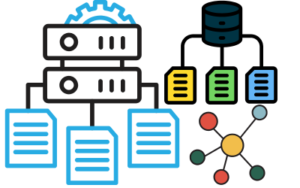
Imagine walking into a library and trying to find a book with no catalog system in sight. Nightmare, right? Well, that’s what search engines face when websites don’t organize their information properly. This is where structured data comes to the rescue, acting as the ultimate librarian for your content and making it easier for search engines like Google to connect users with the right information. Let’s dive into how structured data can give your website an edge in grabbing visibility on SERPs (Search Engine Results Pages).
What Is Structured Data?
First things first, let’s clear up any confusion. Structured data is a standardized format for providing info about a page and classifying its content. It basically speaks the native language of search engines! Using vocabularies like Schema.org, you let search engines understand key details about your website whether it’s a recipe, an event, a product, or even an FAQ section.
Why Should You Care?
Here’s a fun fact: structured data doesn’t just make you more organized it makes you visible in ways that matter. Adding structured data can unlock rich snippets or special search result features. You’ve likely seen these goodies in searches, like star ratings under a recipe or a concert date popping up on Google. These little extras draw more clicks than plain ol’ results. And you guessed it more clicks mean better chances of ranking higher!
Major Benefits of Structured Data
So, what makes structured data such a game-changer? Let’s list it out:
- Rich Snippets: Enhance your listing with visuals and extra info like star ratings, prices, or availability.
- Better SERP Placement: Rich snippets typically stand out—and what catches the eye often catches the click.
- Improved Crawling: You’re making life easier for search bots, which can directly impact your rankings.
- Improved Voice Search Results: Structured data helps devices like Alexa or Google Assistant interpret your content better for voice-driven queries.
Examples of Structured Data in Action
Different industries can leverage structured data in specific ways. Here are some impactful examples:
- E-commerce Websites: Use Product schema to display prices, reviews, and availability directly on SERPs.
- Blogger/Content Creators: Add Article schema and make your content appear as top stories or featured snippets.
- Events: Create a real buzz by adding Event schema, complete with date, location, and ticket availability.
Getting Started with Structured Data
The good news? You don’t need to be a tech wizard to add structured data. Here’s how you can start:
- Use Google’s free Structured Data Markup Helper an easy-to-use tool.
- If you’re on WordPress, consider plugins like RankMath or Yoast to simplify schema generation.
- Test your implementation using Google’s Rich Result Test or Schema Validators to ensure everything works like clockwork.
Mobile-first Design and Its Impact on SERP Performance
Hey there! Let’s dive into one of the most important topics in the world of SEO today: mobile-first design. If you’ve been paying attention to how search engines, especially Google, operate, you’ve probably heard this phrase buzzing around. But here’s why it’s more than just a buzzword – it directly influences how well your website performs in Search Engine Results Pages (SERP).
What’s the Deal with Mobile-first Design?
Let’s start with the basics. Mobile-first design is exactly what it sounds like: designing your website for mobile devices first and then adapting it for desktops. Why? Well, mobile traffic has overtaken desktop traffic in recent years, and Google knows it. In fact, Google officially switched to mobile-first indexing, meaning it predominantly uses the mobile version of your site to rank and index content.
In other words: If your site isn’t mobile-friendly, your SEO rankings are probably taking a hit. Yikes, right?
Why Mobile Matters So Much
Think about the way people use their phones. Constantly scrolling, tapping, and swiping, they expect snappy, smooth, and easy-to-navigate websites. If your page takes too long to load or looks like a jumbled mess on a smartphone screen, users won’t stick around – and search engines notice that.
Here are a few reasons why mobile-first design is critical for SERP performance:
- Improved user experience (UX): A mobile-optimized site reduces bounce rates and encourages users to spend more time exploring your content.
- Faster load times: Mobile-first design prioritizes speed, which is a key ranking factor for Google.
- Rank boosts: Mobile-first indexing means mobile-friendly sites have a leg up on those that aren’t.
Optimizing for Mobile-first Design
Okay, so mobile-first design is crucial but how do you make sure your website is up to snuff? Don’t worry; I’ve got you covered. Here are some practical tips to get started:
- Responsive design is non-negotiable: Make sure your website adapts seamlessly to devices of all sizes, be it a smartphone, tablet, or desktop. Bonus: It simplifies maintenance since you don’t need a separate mobile site.
- Speed things up: Optimize images, minimize CSS/JavaScript files, and leverage browser caching. Use tools like Google Page Speed Insights to see how your mobile site stacks up.
- Think “thumb-friendly” navigation: Buttons and links should be easy to tap with a thumb. No one likes zooming in and struggling to click on tiny menu items.
- Don’t forget the content: Keep your mobile content succinct yet impactful. Big blocks of text and excessive pop-ups are a recipe for disaster.
- Test regularly: Use Google’s Mobile-Friendly Test tool to see how your site performs. It’s free and super insightful!
Long-tail Queries: The Secret to Organic Dominance
Let’s be honest ranking on Google for highly competitive keywords is a dream most marketers chase, but not everyone nails it. What if I told you there’s a smarter, more achievable way to climb the SERP ladder without sweating over fierce one-word keywords? Enter long-tail queries, the unsung hero of organic growth. Let’s dive into why they’re a big deal and how you can use them to your advantage.
What Are Long-tail Queries Anyway?
In simple terms, long-tail queries are specific, multi-word search phrases that people use when they are looking for exactly what they want. For example, instead of searching for “shoes” (a super generic, broad keyword), a user might search for “women’s black running shoes for flat feet.” Notice how much intent is packed into that query? Long-tail keywords like this reflect what users are actively looking for, making them more likely to convert.
Why Should You Care About Long-tail Keywords?

Great question! Long-tail queries may have lower search volume than broader terms, but they also come with some serious advantages:
- Less Competition: Not everyone is optimizing for these niche phrases, giving you an edge to rank faster.
- Higher Conversion Rates: People using long-tail queries often know what they want, so your chances of converting them into customers skyrocket.
- Better Alignment with Voice Search: With the rise of tools like Alexa and Google Assistant, users now phrase their queries conversationally, which often mirrors long-tail keywords.
How to Find Long-tail Gems
Finding these golden keywords might feel like hunting for treasure, but the good news is there are plenty of tools and strategies to make the process easier. Here’s your roadmap:
- Use Keyword Tools: Resources like Google Keyword Planner, Ahrefs, and SEMrush are perfect for uncovering search terms users care about.
- Leverage “People Also Ask” and Autocomplete: Google itself provides nuggets of inspiration through its suggestions.
- Dive into Analytics: Analyze what queries are already driving traffic to your site and dig deeper into those patterns.
- Listen to Your Audience: FAQs from your customers or community discussions on forums like Reddit and Quora often reveal long-tail opportunities.
Optimizing for Long-tail Queries
Once you’ve identified your target long-tail keywords, it’s all about weaving them into your content naturally and effectively. Here are some tips:
- Create Specific Content: Write content that directly answers the query, whether it’s a blog post, product page, or guide.
- Don’t Overstuff Keywords: Focus on user experience and ensure the content flows seamlessly.
- Focus on Headers and Meta Descriptions: Make sure your SEO basics like H1, H2, and meta descriptions feature your long-tail keywords.
- Answer Intent: Does your content truly solve the reader’s problem? Google will reward you when it does.
Local SEO Patterns: Winning the Geo-targeting Game
Alright, let’s dive into the exciting world of local SEO! Whether you’re a small coffee shop on the corner or an up-and-coming boutique in the heart of the city, cracking the code of local search engine optimization can be your golden ticket to getting noticed by the people who matter most your neighbors. Here’s how you can dominate this game and stand out in your local search results.
Why Local SEO Matters
Local SEO isn’t just a buzzword; it’s an essential marketing tool. About 46% of all Google searches are for local information. Think about it: when someone searches for a “pizza shop near me,” they’re not hunting for recipes. They’re looking for something “local”, “immediate”, and “relevant”. If your business isn’t popping up in those results, that’s a big opportunity slipping by.
Key Local SEO Patterns to Know
Here are some must-know tips to harness the power of local SEO in 2023 and beyond:
- Claim or Optimize Your Google Business Profile: Your Google Business Profile (GBP) is your digital storefront on Google Maps and local search. Ensure that it’s filled out completely – business name, address, phone number, website, photos, and even your hours of operation. Bonus points for updating it regularly and responding to reviews.
- Consistency is Key with NAP: No, we’re not talking about catching a snooze! Your business’ Name, Address, and Phone number (NAP) need to be consistent across all platforms your website, social media, and directories. Mismatched information can confuse search engines and harm your ranking.
- Focus on Reviews: Positive reviews are a game-changer. Not only do they build trust with customers, but they also send strong signals to search engines. Encourage happy customers to leave glowing reviews and don’t shy away from professionally responding to the not-so-great ones.
Geo-targeting Strategies for Businesses
Now let’s blend this knowledge with actionable tactics:
- Local Keywords: Don’t just optimize for “best pizza”; optimize for “best pizza in [Your City/Neighborhood].” Tools like Google Keyword Planner can help you pinpoint these geo-specific terms.
- Localized Content: Push out blogs, news, or updates that are relevant to your locale. Are you sponsoring a local event? Write about it. Did you win an award in your city? Share the news! Search engines love local relevance.
- Leverage Local Backlinks: Partner with nearby businesses or local newspapers to get featured or linked. Backlinks carry more SEO weight when they come from within your community.
Stay Ahead with Local Search Trends
Voice search is on the rise, and people are asking questions like: “Where’s the closest photo studio?” Optimize for these conversational phrases by adding FAQs to your website. Keep an eye on features like proximity-based results, which emphasize location sensitivity even more.