Alright, let’s dive in! Backlinks might sound like some kind of secret internet code, but really, they’re quite simple. Imagine you’re online searching for answers, and you stumble across a page that links to another page as a source or recommendation. That’s a backlink! To put it plainly, a backlink is when one website links to another.
Think of backlinks like digital “votes of confidence” between websites. If a website links to your site, it’s basically saying, “Hey, this content is valuable, trustworthy, and worth checking out.” And guess what? Search engines like Google love seeing these connections because they view backlinks as signs of credibility and relevance.
Why Do Backlinks Matter?
So, why all the fuss about backlinks? Let me break it down:
- Boosts Your Website’s Ranking: Backlinks are one of the top factors search engines use to decide where to rank your site on the results page. The more high-quality backlinks pointing to you, the more authoritative your site appears in the eyes of search engines.
- Increases Site Traffic: When people click on those backlinks, they’re essentially funneled straight to your site. This means more visitors, more engagement, and potentially more business or recognition for you.
- Builds Credibility: If well-respected websites are linking to your site, it creates trust not just for search engines, but also for your audience. It’s like having reputable friends endorse you!
A Simple Analogy
Still scratching your head? Let’s try an analogy. Think of backlinks as word-of-mouth recommendations in real life. Imagine you’re looking for a great Italian restaurant, and several friends recommend the same spot. You’d probably trust their judgment, right? Backlinks operate in a similar way, but instead of friends, it’s websites, and instead of a restaurant, it’s your content.
Key Things to Remember About Backlinks
Now that you’re getting cozy with the concept of backlinks, here are some key takeaways to keep in mind:
- Not All Backlinks Are Equal: Some backlinks carry more “weight” than others. A link from a reputable, high-authority website is gold, while one from a questionable, spammy site? Not so much.
- Quality Over Quantity: It’s better to have a few solid, trustworthy backlinks than hundreds of low-quality links.
- Naturally Earned Links Work Best: Whenever possible, focus on creating great content that naturally earns backlinks this is far more effective (and ethical) than buying or spamming links.
So there you have it! Backlinks, in a nutshell, are like virtual shout-outs from other websites. They’re key to building your site’s reputation, driving traffic, and climbing the search engine ranks. As we dig deeper, you’ll find that mastering backlinks will be one of the best things you can do for your online presence. Excited? Let’s keep learning!
How Backlinks Function in the World of Websites
If the internet were a giant city, websites would be the buildings, the pages are the rooms, and backlinks? Well, they’d be the roads and bridges connecting everything together. Let’s talk about how these digital pathways actually function and why they’re magical for websites.
The Role of Backlinks in Website Navigation
At its core, a backlink is a hyperlink placed on one website that takes you to another website. Imagine you’re reading an article about gardening on Website A, and that article links you to a detailed soil preparation guide on Website B. That clickable link is a backlink, and voilà you’ve been transported to another corner of the internet!
Backlinks essentially serve as a road map for both users and search engines, helping people and bots navigate their way through relevant and related content across different sites. They act like recommendations, signaling, “Hey, this page is worth checking out.”
Search Engines and Backlinks: The Perfect Team
Here’s the cool part backlinks aren’t just for human visitors. They’re also search engine whisperers. Search engines like Google, Bing, and others “crawl” through these backlinks to discover new pages, understand how pages connect, and assess their value.
- Discovery: Search engines use backlinks to find new content they didn’t know existed. Think of it as a treasure hunt where each link is a clue leading to more treasure (or website content, in this case).
- Indexing: After discovering a new page through a backlink, the search engine indexes it, meaning it gets added to its massive library of web pages. This ensures your content has a shot at being found when people search for related keywords.
- Authority & Trust: Search engines weigh backlinks as votes of confidence. If many trustworthy websites link to a page, it signals quality and relevance. This can help that page rank higher in search results.
The “Juice” That Backlinks Pass Along
One term that often pops up when discussing backlinks is “link juice.” No, it’s not a trendy new beverage—it’s the value or authority that gets passed from one site to another through a backlink.
The idea is simple: If Website A links to Website B, a portion of Website A’s authority is transferred to Website B. But not all backlinks have equal juice! A link from a highly authoritative site (like a major news outlet) carries far more weight than a link from a tiny, unknown blog.
Internal vs. External Links: Different Flavors of Backlinks
It’s worth mentioning that backlinks can either come from outside your site (external backlinks) or within your site (internal backlinks). While external backlinks drive most of your search engine ranking power, internal links also have a role in keeping visitors engaged and pointing search engines to important content on your site.
So, Why Do We Need Backlinks?
Without backlinks, your website would be like an isolated island—a beautiful destination that nobody knows exists. Not only do backlinks help search engines understand your site better, but they also establish credibility, bring in traffic, and connect you to the wider web ecosystem. Essentially, they’re the digital glue that holds the internet together.
The Different Types of Backlinks You Should Know
When it comes to backlinks, not all links are created equal! Understanding the different types of backlinks is essential if you want to build valuable connections for your website. Let’s explore the key types of backlinks so you can navigate the online world with confidence. Grab a cup of coffee, and let’s dive in!
1. Editorial Backlinks
Think of these as the superstar of backlinks. Editorial backlinks appear when a website owner or a content creator references your content naturally within their own work. For example, if you wrote a blog post about eco-friendly living and a news outlet links to your article in their feature on sustainability, that’s an editorial backlink.
Why they matter: These are gold in terms of SEO because they come from trusted sources and are not self-promotional.
2. Guest Blogging Backlinks
Guest blogging is when you write a post for another website, usually in exchange for a link back to your site. It’s like a fun collaboration where you share your expertise while subtly promoting your work. These backlinks are valuable as long as the site you’re contributing to is reputable and aligns with your niche.
Quick tip: Always focus on quality over quantity. It’s better to write for one high-authority site than ten low-quality ones!
3. Business Profile Backlinks
Any time you list your business in online directories (think Google My Business, Yelp, or LinkedIn), you can gain a business profile backlink. These links help boost local SEO and improve your online visibility.
Don’t skip this: Ensure your business details are accurate across all platforms. Consistency builds trust.
4. Forum or Community Backlinks
Engaging in forums or Q&A sites like Reddit or Quora can also earn you backlinks. By contributing to discussions and offering useful insights, you can drop a link to your site when it’s relevant and helpful.
A word of caution: Avoid spamming forums with links. Focus on conversations that genuinely fit your expertise.
5. Acknowledgment Backlinks
Ever sponsored an event, partnered with another organization, or participated in a webinar? Often, websites will link to you as a form of acknowledgment for your involvement. These backlinks are easy wins for boosting your credibility.
Pro tip: Get involved in your industry! Partnerships and collaborations can open doors for these valuable links.
6. Contextual Backlinks
These are links that appear within the content of a website in a natural and contextual way. For example, a blog about running shoes might link to your e-commerce store that sells sports gear. Search engines love these types of links since they provide value to the reader.
Keep in mind: These links should be in relevant content to be effective.
7. Nofollow and Dofollow Backlinks
Finally, let’s talk about the technical side – not all backlinks carry the same “juice” for your rankings. Dofollow links pass on SEO benefits from one site to another, while nofollow links do not. However, nofollow links still have their perks, like driving traffic and diversifying your link profile.
Pro tip: Aim for a healthy mix of both. A natural link profile has variety!
Trust and Authority: How Backlinks Affect Rankings
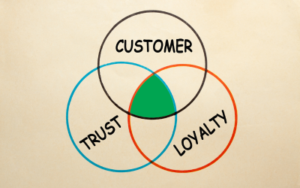
Alright, let’s dive into a topic that’s truly at the heart of how backlinks work: trust and authority. These two qualities are what give backlinks their superpower to influence your website’s rankings on search engines.
Understanding Trust and Authority
Now, think of trust and authority as the reputation of your website in the vast world of the internet. Imagine you’re asking for a recommendation for the best pizza place in town. If your closest friends (people you trust) suggest a spot, you’re more likely to go there than if a random stranger on the street told you, right? Well, search engines operate in a similar way when it comes to backlinks.
- Trust: This is essentially how reliable or credible your website appears. Google wants to serve its users with the most trustworthy content. Backlinks from reputable websites those known for providing accurate, valuable, and genuine content act like trust signals.
- Authority: A website’s authority reflects its expertise and influence on certain topics. For example, if a high-authority tech site links to your latest article on AI advancements, it’s like getting a stamp of approval from an expert. More authority equals more weight for your content in rankings!
How Backlinks Build Trust
Here’s where backlinks come in. When a reputable website links to yours, it’s essentially vouching for your content. It’s saying, “Hey, this site has something important to say on this topic!” This boosts your site’s trustworthiness in the eyes of search engines. The more high-quality backlinks you have, the stronger this signal becomes.
However, not all backlinks are created equal. Backlinks from shady or low-quality sites can have the opposite effect, even causing search engines to doubt your credibility. Google’s algorithm has a knack for distinguishing sincere endorsements from spammy links, so it’s always best to focus on earning backlinks naturally and ethically.
Authority Grows Through the Quality of Backlinks
Authority isn’t just about the number of backlinks; it’s also about the quality of those links. Imagine your website is like a tree. Each quality backlink is like rich soil that helps nourish your tree, while low-quality backlinks are like rocky ground that doesn’t do much good for growth. Here are some things to keep in mind:
- Relevance Matters: A link from a high-authority website in your niche carries much more weight than a random link from an unrelated or irrelevant website.
- Diversity Is Key: Getting backlinks from a wide variety of respected sources shows search engines that lots of people across the internet trust your content.
- Natural Linking Triumphs: If your links are earned through genuine endorsements (like people citing your awesome blog post or study), you’re golden.
Building Trust and Authority Takes Time
Patience is key here. Just like building any kind of reputation, developing website trust and authority is something that requires sustained effort over time. It’s not about quick tricks, but about creating content worth linking to and building real relationships within your industry.
So, focus on the long-term game. Engage with your audience, offer value through your content, and align yourself with other authoritative names in your field. Watch as your site earns trust, authority, and ultimately, better rankings!
Building Strong Connections: Earning Quality Backlinks

So, you’ve decided to dive into the world of backlinks? That’s fantastic! But here’s the thing earning quality backlinks isn’t about just crossing your fingers and hoping for the best. It’s about building strong, meaningful connections that benefit both your website and the people linking to you. Let’s talk about how you can make those connections happen in a smart, ethical, and, dare I say, enjoyable way!
What Exactly Do We Mean by “Quality Backlinks”?
Not all backlinks are created equal. Quality backlinks come from reputable, trustworthy websites that genuinely find value in your content. Think of it like a recommendation from someone respected in your industry. “It’s about credibility, not just quantity.” A single backlink from a high-quality source can do far more for your website’s success than dozens of links from less reputable sites.
How to Earn High-Quality Backlinks (The Right Way!)
Ready to put in the work? Don’t worry it’s worth the effort. Here are some proven strategies to help you attract those sought-after backlinks:
1. Create Outstanding Content
This is the golden rule of link building. If your content isn’t useful, informative, or engaging, no one will want to link to it. Publishing in-depth guides, original research, or shareable infographics can naturally attract high-quality links. “Great content acts like a magnet for backlinks.” So, aim to create something that stands out in your niche.
2. Reach Out to the Right People
Networking isn’t just for traditional business settings it’s essential for earning backlinks too. “Reach out to bloggers, journalists, and industry leaders” who might find your content valuable or complement their own work. A well-written email explaining why your content is useful can go a long way just make sure not to look spammy.
3. Guest Blogging (With a Twist!)
Guest blogging isn’t dead, but the key is writing for well-regarded sites in your industry. Offer to create unique, high-quality posts for other websites where you can naturally and ethically include a backlink to your own content. This way, you’re providing value to their audience while building your link profile.
4. Fix Broken Links
This might sound a bit nerdy but it works! Use tools like Ahrefs or SEMrush to find broken links on websites in your niche. Then, reach out to the site owner and kindly suggest your content as a replacement. Bonus: You’re helping them clean up their site. Win-win!
5. Get Involved in the Community
Participate in industry-specific forums, comment on relevant blog posts, and actively engage with your niche. While this won’t always directly result in backlinks, it builds relationships and can lead to opportunities down the road. Remember, “helping and connecting with others can come back to you tenfold!”
What NOT to Do
You deserve a quick heads-up about a couple of things to avoid while building backlinks:
- Buying backlinks. Nope, just don’t. Google might penalize your site, and you won’t see quality results.
- Spamming your links everywhere random, irrelevant links won’t help you grow!
- Using shady “black-hat” methods. Over the long term, these tactics will hurt much more than they help.
Common Myths About Backlinks That You Should Ignore

Hello there! Let’s roll up our sleeves and dive into one of the most misunderstood topics in the wonderful world of SEO backlinks. There’s a lot of chatter out there, and not all of it is true. So, today, we’ll debunk some common myths about backlinks that might have left you scratching your head or second-guessing your SEO strategy. Ready? Let’s clear the air once and for all!
Myth #1: “Quantity Over Quality Is Key to Success”
One of the most persistent myths about backlinks is that the more you have, the better your website will rank. Sounds simple, right? But unfortunately, it’s not true! Quality always trumps quantity when it comes to backlinks. A handful of high-quality links from reputable websites can skyrocket your rankings compared to hundreds of sketchy or spammy links.
Takeaway? Focus on earning links from authoritative, trustworthy websites. Think of backlinks as votes of confidence who your “endorsers” are matters way more than how many there are.
Myth #2: “Only High Domain Authority Sites Matter”
Ah, Domain Authority (DA) an SEO concept that gets a lot of attention. While it’s true that backlinks from high-DA websites can significantly boost your rankings, it would be a mistake to ignore smaller-scale, niche websites. These can be just as valuable, especially if they’re highly relevant to your industry or audience.
Pro tip: Focus on relevancy and context, not just “big names.” Sometimes, the right partners for your content might not have the flashiest numbers, but they can still pack a punch when it comes to SEO benefits.
Myth #3: “Reciprocal Links Are Harmful to SEO”
Ever heard someone say, “Don’t exchange links it’s bad for your SEO”? While it’s true that manipulative, excessive link swapping can raise a red flag, having a handful of reciprocal links with relevant, trusted sites is perfectly fine. It’s natural for websites in the same niche to connect with each other.
Just make sure the relationship is genuine and adds value to both parties. Abuse it, and you’ll risk penalties, but keep it organic, and you’ll be just fine.
Myth #4: “All Paid Links are Spammy and Will Get You Penalized”
This one’s tricky. First, let’s get it out there if you’re buying backlinks in a way that tries to manipulate search engines, you’re asking for trouble. That’s against Google’s guidelines, and the penalties aren’t fun.
But not all paid links are bad. For instance, sponsorships or partnerships where there’s full transparency are generally okay. Google values disclosure, so adding rel="nofollow" or rel="sponsored" tags to these links will keep everything above board.
Myth #5: “Anchor Text Optimization is Overrated”
Let’s set the record straight: anchor text matters. Sure, it’s not the only thing Google considers, but what your anchor text says gives search engines context about the page being linked to. Some folks might tell you to ignore it, but sprinkling some well-thought-out keywords (naturally!) into your anchor text can give your SEO an extra edge.
Quick tip: Use a balanced approach. Avoid going overboard with exact-match keywords it can look spammy. Instead, mix it up with branded, generic, and long-tail variations.
Myth #6: “Backlinks Instantly Boost Rankings”
Patience, young Padawan. Backlinks are a long-term investment. While earning a strong backlink can send positive signals to Google, it doesn’t mean you’ll see results overnight. SEO is like a marathon, not a sprint, and backlinks need time to work their magic.
Think of them as seeds water them by consistently delivering great content and engaging with your audience, and soon enough, you’ll harvest the rewards.
Measuring Success: Tools to Keep Track of Your Backlinks
If you’re putting in effort to build backlinks, you definitely want to measure their impact and track progress, right? It’s a bit like planting a garden you want to see how your hard work is blossoming. That’s where backlink monitoring tools come in handy! They help you keep tabs on who’s linking to you, the quality of those links, and what strategies are working best.
Why Is Tracking Backlinks Important?
Imagine trying to run a marathon without knowing how many miles you’ve covered or what your pace is. That’s what building backlinks without tracking feels like! By monitoring backlinks, you can:
- Spot opportunities: Identify new sites that have linked to you and consider collaborations.
- Understand quality: Determine if the sites linking to you are reputable and beneficial for your SEO.
- Diagnose issues: Detect spammy or toxic backlinks that might harm your site and take action to disavow them.
- Evaluate strategies: See which of your outreach methods or content pieces are driving the most links.
Best Tools to Track Your Backlinks
Fortunately, there are plenty of tools both free and premium that can help you monitor backlinks effectively. Let’s explore some top picks:
- Google Search Console: A no-cost, beginner-friendly way to see some of the backlinks pointing to your website. Simply head over to the “Links” tab and find valuable insights about external links.
- Ahrefs: A powerhouse in the SEO world, Ahrefs provides an in-depth analysis of your backlinks. It even tells you the domain authority of sites linking to you and helps you find broken backlinks to recover.
- SEMrush: This all-in-one platform offers a detailed backlink audit tool where you can keep track of your link profile and toxic scores. Super useful!
- Moz Link Explorer: Moz’s tool is another great way to track who’s linking to you, find link-building opportunities, and analyze competitor backlinks.
- Ubersuggest: If you’re looking for a more budget-friendly option, Ubersuggest is a solid choice. It gives you a snapshot of your backlinks as well as insights into your top-performing pages.
Key Metrics to Monitor
Once you’re using a tool to track your backlinks, pay attention to these essential metrics:
- Referring Domains: The number of unique websites linking to you. More unique domains generally mean more credibility.
- Domain Authority (DA): This score estimates the authority of a site linking to you. High DA links are gold!
- Anchor Texts: The clickable text used in a backlink. Ensure it’s relevant and not overly spammy or stuffed with keywords.
- Lost Links: Links that have disappeared over time. Don’t panic it happens! But it’s good practice to investigate why.
Backlink Monitoring
Here are some insider tips to up your backlink tracking game:
- Schedule regular checks: Make it a habit to review your backlinks weekly or monthly. Stay proactive!
- Keep an eye on competitors: By analyzing your competitors’ backlinks, you can uncover potential link-building opportunities for your own site.
- Act on toxic links: If you notice harmful backlinks, use tools like Google’s Disavow Tool to report them. It’s crucial for maintaining a healthy link profile.