


So, you want to become an SEO Executive or perhaps you’re curious about what skills make someone excel in this exciting digital marketing role? Well, you’re in the right place! SEO (Search Engine Optimization) might sound technical and sure, parts of it are but it’s also an art. Let’s break down the must-have skills, and don’t worry, we’ll keep this as engaging as your favorite Netflix series!
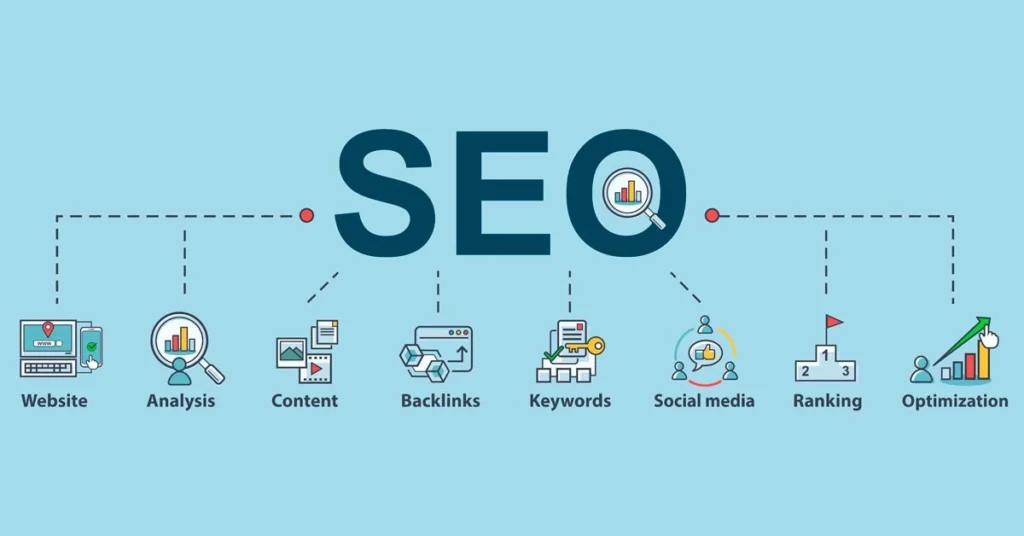
SEO is no longer just about adding keywords to a webpage and hoping for higher rankings. Behind every successful search strategy is an SEO Executive who combines research, technical knowledge, content optimization, data analysis, and creativity to improve a website’s visibility and performance.
From identifying valuable search terms and optimizing web pages to monitoring rankings, building quality backlinks, and adapting to algorithm changes, the role covers a wide range of responsibilities.
For anyone considering a career in SEO, understanding what an SEO Executive actually does is an important first step. The role requires both technical and soft skills, along with a willingness to keep learning as search engines and user behavior evolve.
In this guide, we’ll explore the key skills, daily responsibilities, essential SEO tools, common misconceptions, career impact, teamwork, and future trends that define the modern SEO Executive role.
Key Skills Every SEO Executive Must Master
1. Analytical Thinking
At its heart, SEO is about data. Tons of data. You’ll need a keen eye for details and a love for numbers to dig through analytics tools and uncover what works (and what doesn’t). Think of it like detective work each keyword, bounce rate, or click-through rate is a breadcrumb leading you to the treasure: better rankings! Know how to interpret trends and refine strategies accordingly.
2. Keyword Research Expertise
If SEO is a game, then keywords are your game pieces. Mastering keyword research is non-negotiable. Tools like Google Keyword Planner and SEMrush are your best friends here. You’ll need to identify the words and phrases your target audience uses and understand how to weave them naturally into content. Remember: it’s not about stuffing keywords it’s about making them work seamlessly for both SEO and real humans reading the content.
3. Mastery of On-Page Optimization
From meta titles to alt text, this is all about the elements on your webpage that boost its SEO. You’ll want to know how to craft concise, keyword-rich meta descriptions, headers, and title tags. Don’t forget readability! Google rewards websites that create engaging, user-friendly content a win for SEO and your audience.
4. Technical SEO Know-How
While it’s not all about coding, you need some technical skills to thrive. While success in the field isn’t solely dependent on coding, having strong technical skills is essential, especially when working with a technical SEO company to deliver effective results.
Think aspects like improving website speed, fixing crawl errors, and ensuring mobile-friendliness. Tools like Screaming Frog and Google PageSpeed Insights can help you audit and fix technical hiccups.
Bonus points if you understand structured data markup it’s not magic, but it sure feels like it when you start seeing results.
5. Content Optimization and Strategy
“Content is king” is a phrase you’ll hear over and over in the SEO world, and for good reason. An SEO Executive bridges the gap between user needs and search engine algorithms by optimizing content for both. But it’s more than just editing articles you’ll also strategize new content to attract the right audience and tackle competitive niches. Creativity is key here!
6. Link Building Ability
Think of backlinks as a popularity contest. The more quality links pointing back to your site, the more credible your site seems to search engines (not to mention it helps build authority among users). Link building requires outreach, relationship-building, and understanding what makes a website worth connecting to. Friendly networking goes a long way!
7. Adaptability and Continuous Learning
SEO isn’t static it’s an ever-evolving field with new algorithms, trends, and challenges constantly emerging. Be ready to learn, unlearn, and relearn. Following trusted SEO blogs and keeping up with industry updates (like those from Google Search Central) ensures you stay ahead of the curve.
Core Responsibilities Behind the Job Role
Oh, the life of an SEO Executive! It’s not all algorithms and keywords (though there is a lot of that). If you’re curious about what it takes to excel in this exciting digital arena, let me walk you through the core responsibilities that define the role of an SEO Executive. Don’t worry we’ll keep it conversational and fun!
1. Research, Research, Research!

First and foremost, being an SEO Executive means you need to love research. Keywords, competitors, search trends these are the bread and butter of the job. Why? Because everything you do depends on understanding what people are searching for and what your competitors are already doing effectively.
Pro Tip: Set aside regular time for keyword brainstorming sessions and use available tools (we’ll leave those specifics to another heading!). The deeper your research, the stronger your SEO strategy will be!
2. Optimizing Web Pages for Maximum Visibility
- Page Titles and Meta Descriptions: Think of these as your website’s handshake with Google. Your job is to make sure they’re attention-grabbing and optimized with the right keywords.
- On-Page Elements: What’s the content like on a page? Does it match search intent? Are internal links set up in a way that enhances user navigation?
- Image Optimization: Alt tags, file sizes, and even captions play a massive role in making sure your website content is fully SEO-friendly across platforms.
In short, an SEO Executive ensures that every little detail on a web page is fine-tuned to impress search engines and users alike.
3. Building and Managing Backlinks
Ah, the fascinating world of backlinks! A big part of your role will be to create a network of high-quality, authoritative links pointing back to your site. This makes your site more credible in the eyes of search engines.
How do you do it?
Through outreach, collaborations, guest blogging, and sometimes just plain asking! The critical part is ensuring the links you obtain are from reputable sources because not all links are created equal.
4. Conducting SEO Audits
SEO isn’t a “set it and forget it” kind of role; you’ll always be analyzing and adjusting. Regular audits help identify what’s working and what needs improvement. Are there broken links? Are some pages performing better than others? Your audits are how you’ll answer these critical questions.
Think of SEO audits as check-ups for a website’s health! And much like going to the doctor, this is non-negotiable for long-term success.
5. Staying Updated with Algorithm Changes
Google changes its algorithm… a lot. A significant part of your job is keeping up with those updates. Whether it’s Core Web Vitals, the latest Panda update, or anything else, you’ll need to adapt SEO strategies to keep up with search engine requirements.
Friendly Reminder: Following trusted SEO blogs and forums can save you so much stress. Think of it as your daily dose of professional learning!
6. Collaborating Across Teams
SEO doesn’t happen in a vacuum. You’ll often work closely with content creators, web developers, and even social media managers. Whether it’s ensuring a post is keyword-rich or talking to developers about site speed optimization, collaboration is key!
SEO Tools and Software Every Executive Should Know
If there’s one thing that every SEO executive learns early on, it’s that their toolkit can make or break their success. This role isn’t just about creativity or throwing content around it’s about using data, insights, and actionable strategies to outrank competitors. Let’s talk about the must-have SEO tools and software you, as an aspiring or current SEO executive, need to have in your arsenal.
1. Keyword Research Tools
Keywords are the backbone of SEO, and choosing the right ones can drastically influence your website’s visibility. To do that efficiently, keyword tools are a lifesaver. Here are a few top-notch options:
- Google Keyword Planner: A classic and free option for discovering keywords users are searching for on Google. Bonus it’s direct from the source!
- Ahrefs and SEMrush: These are premium tools but worth every penny. They don’t just suggest keywords; they provide data like keyword difficulty, search volume trends, and competitor insights.
- AnswerThePublic: Perfect for brainstorming long-tail keywords framed as questions that help your content match user intent.
2. Analytics Software
For any SEO professional, diving into data is paramount. As much as it might not sound glamorous, analytics reveals game-changing insights like what’s converting, what’s failing, and why! Top picks include:
- Google Analytics: A free and must-use tool for tracking website traffic, user behavior, and conversion rates. You can’t strategize without knowing these numbers.
- Google Search Console: This powerhouse verifies site health, identifies indexing issues, and measures organic search performance. Think of it as your website’s health monitor.
3. Rank Tracking Tools
Keeping tabs on your rankings is pivotal to understanding the effectiveness of your SEO strategy. Rank tracking tools give you a bird’s eye view of where your website currently stands in search engine results pages (SERPs).
- AccuRanker or SERPWatcher: These tools not only track rankings but also send you alerts about any sudden changes (a quick way to know if Google just shook things up with a sneaky update!).
4. Backlink Analysis Tools
Backlinks might feel like an arcane part of SEO, but their influence on rankings is powerful. To ensure your backlink profile is robust and healthy, you’ll want to lean on tools like:
- Ahrefs: Amazing for competitor backlink analysis. It helps you spot linking opportunities you’re missing out on.
- Majestic SEO: Boasts detailed insights on Trust Flow and Citation Flow, giving you a sense of your backlink quality.
5. On-Page SEO Tools
- Yoast SEO (for WordPress): This plugin makes optimizing your webpage’s meta tags, descriptions, and readability straightforward.
- Screaming Frog: A bit technical, but a fantastic crawler for uncovering issues like broken links, duplicate meta tags, or on-page SEO inconsistencies.
6. Social Media Insights Tools
While not strictly SEO, social media significantly amplifies your content’s reach, giving it the visibility boost it needs. Tools like BuzzSumo or the analytics dashboards of platforms like Twitter and Instagram are key here. They show what content works, what doesn’t, and what sparks engagement.
Misconceptions About Being an SEO Executive
When it comes to the role of an SEO Executive, there’s no shortage of myths and misunderstandings out there. It’s time to shine a light on some of the most common misconceptions, debunking these false notions so we can better appreciate the true value and complexity of this job. Let’s dive in!
1. “SEO is Just About Keywords”
Let’s clear this one up first it’s not! Yes, keywords are crucial (as they guide search engines), but being an SEO Executive isn’t about cramming them into content haphazardly. In fact, that’s a major no-no and can hurt a website’s ranking rather than help.
SEO encompasses much more than keywords. It’s about creating a harmonious, optimized ecosystem that includes user experience, mobile-friendliness, high-quality content, structured data, and strategic linking. Keywords are merely one piece of a very intricate puzzle.
2. “Anyone Can Do SEO ,It’s Just Basic Stuff”
There’s a common belief that SEO is a simple task anyone can pick up after reading a few how-to blogs. Oh, how misleading that is! Being an SEO Executive requires years of expertise, ongoing learning, and the ability to analyze data and strategize effectively. It’s not just about understanding surface-level “tricks” it’s about decoding technical structures and patterns while staying ahead of ever-evolving search engine algorithms.
It’s a profession where you simultaneously play the role of an artist (crafting compelling, user-friendly experiences) and a scientist (using analytics and strategy). Trust us, it’s not as easy as it looks!
3. “Once SEO is Done, It’s Finished”
If only SEO was a “set it and forget it” job! Unfortunately (or fortunately for job security), SEO is never a “one-and-done” process. Search algorithms change constantly, competitors step up their game, and user behaviors shift over time. As a result, an SEO Executive must consistently monitor, tweak, and improve strategies to maintain or boost performance.
Think of SEO like maintaining a garden you need to keep weeding, watering, and planting to ensure everything thrives. It’s all about long-term care, not instant results.
4. “SEO is All About Playing Tricks on Google”
Here’s another head-scratcher we hear all the time. There’s a false narrative that SEO involves “gaming” the system or manipulating search engines to rank unfairly. Not true! Modern SEO practices are rooted in enhancing the user experience, not exploiting loopholes.
Search engines like Google are designed to reward websites that genuinely serve their audience SEO Executives simply help businesses align with those guidelines. It’s not about “tricking the algorithm”; it’s about understanding it and creating content that benefits everyone.
5. “SEO Magic Can Guarantee #1 Rankings Instantly”
If only SEO executives had a magic wand! Many people assume that SEO can yield overnight success, but in reality, it takes time, consistency, and the right strategy. No professional worth their salt will promise instant results because sustainable success comes from steady, ethical efforts not shortcuts.
For clients or companies, it’s key to understand that SEO is more like a long-term investment than a quick fix. The payoff is worth the patience!
How SEO Executives Impact Website Success
When it comes to the digital world, websites are like shopfronts. Without proper visibility, even the most beautiful displays can go unnoticed. This is where an SEO executive steps into the spotlight. They might not wield a paintbrush or rearrange mannequins, but they are the architects behind how well a website performs in search engine results. Let’s break down exactly how these unsung heroes influence website success in a meaningful way.
1. Driving Organic Traffic
At the heart of every successful website is consistent, relevant traffic. SEO executives are pros at understanding how search engines like Google operate. By optimizing a website’s content and structure, they ensure it appears prominently in search engine results pages (SERPs). This means more potential customers or readers landing on the site organically, without the need for expensive ads.
What’s the magic formula? It boils down to strategic use of keywords, creating high-quality content, and ensuring the website is technically sound. When all of this is executed well, traffic follows.
2. Enhancing User Experience
A website’s success isn’t just about appearing in search results it’s also about keeping visitors engaged once they arrive. SEO executives play a pivotal role in improving user experience (UX).
- They optimize page load speeds because let’s face it, no one likes waiting for a sluggish page to load.
- They enhance mobile usability, crucial in an era where most users browse on their phones.
- They ensure the site’s navigation is intuitive, guiding users to find what they’re after effortlessly.
A seamless UX doesn’t just keep users happy, but also encourages longer site visits, lower bounce rates, and eventually, better rankings a win-win!
3. Boosting Brand Credibility
Appearing on the first page of Google instills trust. SEO executives help build credibility by optimizing websites to earn higher rankings, ensuring they meet the standards of search engine algorithms and adhere to best practices. They also focus on strategies like earning backlinks from reputable websites and leveraging local SEO to build a brand’s online authority.
The result? Visitors associate the brand with reliability and professionalism, which translates to a positive perception overall. Who doesn’t love being the first pick?
4. Tracking and Adapting
Here’s where SEO executives really showcase their value: they analyze performance data and adapt strategies accordingly. Tools like Google Analytics and Search Console play a huge role in helping them assess what’s working and what isn’t.
For example:
- If a keyword isn’t driving expected traffic, it’s replaced with a more relevant one.
- If a page is underperforming, they restructure and optimize it to regain traction.
- By staying on top of trends and algorithm changes, they ensure the website doesn’t fall behind its competition.
5. Supporting Long-term Growth
Perhaps their most significant impact lies in fostering sustainability. Unlike paid advertising, SEO focuses on long-term results. By building a solid foundation, SEO executives ensure the website continues to generate organic traffic, convert users, and grow the brand even with minimal investment once strategies are in place.
Collaborating with Other Teams: An SEO Perspective
Being an SEO Executive isn’t just about optimizing keywords and analyzing web traffic it’s also about teamwork. To truly elevate a website and achieve long-term success, collaboration with other teams is absolutely essential. Let’s dive into why collaboration matters and how an SEO professional can thrive in this environment.
Why Collaboration is Crucial
SEO doesn’t operate in a vacuum. It’s tied to almost every facet of a business’s online presence. From content creation to web design and even marketing strategies, the work of an SEO Executive touches many corners.
Imagine trying to boost search engine rankings without aligning with the marketing team’s campaigns or without the input of developers for technical SEO adjustments it’s impossible!
Collaboration ensures everyone is on the same page, working towards the shared goal of driving meaningful traffic and conversions.
Key Teams SEO Executives Work With
Let’s walk through the departments an SEO Executive regularly collaborates with and how those relationships contribute to success:
- Content Writers & Creators: SEO thrives on quality content. SEO Executives provide keyword research, trending topics, and best practices, while writers craft engaging articles, blogs, and social posts. Together, they create content that resonates with both search engines and users.
- Web Development Team: Technical aspects like page speed, mobile responsiveness, and structured data are critical for SEO. Developers rely on SEO insights for implementing these features, while SEOs ensure the technical tweaks align with ranking algorithms.
- Marketing & Social Media Teams: A strong SEO plan complements marketing campaigns and social media efforts. Organic traffic can amplify the results of paid ads and vice versa. Collaboration ensures campaigns are cohesive and maximize visibility across channels.
- Sales & Product Teams: SEO strategies often align with customer needs and business goals. Input from sales or product teams can ensure that SEO efforts target high-priority areas and keywords that directly contribute to revenue.
Tips for Effective Team Collaboration
Successful collaboration starts with clear communication and shared goals. Here are some tips to foster a productive partnership with other teams:
- Educate Others About SEO: Not everyone will be familiar with SEO’s impact. Facilitate workshops or casual presentations to explain SEO basics, metrics, and how it fits into their work. And since the goal is teaching, not formatting, a PowerPoint agent can take care of the slide design so you can spend your energy explaining the concepts well.
- Speak Their Language: Don’t confuse your colleagues with technical jargon. Adapt your language so that each team understands how SEO contributes to their objectives.
- Leverage Tools for Collaboration: Use platforms like Slack, Trello, or Google Workspace to ensure workflows are transparent and tasks don’t fall through the cracks.
- Be Open to Feedback: Collaboration is a two-way street. Encourage input from other teams to refine SEO strategies and demonstrate that you value their expertise.
The Benefits of Teamwork
When done well, collaboration drives impactful results. Teams that work together create cohesive strategies, avoid duplication of efforts, and achieve goals faster. An SEO Executive who knows how to foster these relationships will also be seen as a key player in the company’s overall success.
Future Trends Shaping the Role of an SEO Executive
Let’s dive into the future! SEO is constantly evolving, and for SEO Executives, staying ahead of the curve is both a challenge and an opportunity. As search engines get smarter and user behavior shifts, the role of an SEO Executive is being reshaped by emerging trends and technologies. Buckle up, because there’s a lot to be excited about!
1. AI and Machine Learning: Your New Best Friends

Artificial intelligence (AI) and machine learning are becoming integral to SEO. AI-powered algorithms, like Google’s BERT and MUM, are improving how search engines understand context and intent. For SEO Executives, this means stepping away from keyword stuffing and focusing more on creating meaningful, context-driven content.
Pro Tip: Familiarize yourself with tools like SEMrush and Clearscope, which utilize AI to analyze readability and relevance. These will help you craft content that truly resonates with both search engines and your target audience.
2. Voice Search Optimization: Speaking the Same Language
With the rise of smart assistants like Alexa, Siri, and Google Assistant, voice search is becoming the norm. By 2024, experts predict that over half of all searches will be voice-based. As an SEO Executive, you’ll need to adapt strategies to optimize for conversational, long-tail queries and ensure your content aligns with how people naturally speak.
- Focus on question-based content, like FAQs.
- Adopt a “near me” and local-first strategy for geographic searches.
3. Mobile-First Indexing: Stay Responsive
If your website isn’t mobile-friendly, your ranking could take a hit. Mobile-first indexing means Google primarily uses the mobile version of a site for ranking and indexing. Future-ready SEO Executives prioritize mobile optimization, ensuring fast loading times, clean layouts, and an excellent user experience on all devices.
Must-Do: Regularly perform mobile usability tests and keep an eye on your Core Web Vitals through Google Search Console.
4. User Experience (UX) is King
SEO isn’t just about technical tweaks anymore – it’s about creating experiences. Search engines increasingly reward sites that delight users. That means intuitive navigation, low bounce rates, and engaging, easy-to-read content.
- Leverage analytics tools to understand user behavior.
- Simplify site architecture to make it more user-friendly.
- Create content that keeps readers hooked think videos, infographics, and interactive elements!
5. The Rise of Visual and Image Search
Visual search is becoming a game-changer. Platforms like Pinterest Lens and Google Lens allow users to search using images instead of text. As an SEO Executive, you’ll want to optimize image metadata, use descriptive file names, and add alt text to make visuals searchable.
6. Sustainability and Ethical SEO
Another eye-catching trend is the growing focus on sustainability in digital marketing. Ethical SEO delivering honest, helpful, and transparent content isn’t just good practice. It helps build trust with both users and search engines.
Pro Advice: Avoid black-hat tactics and prioritize quality over quantity when it comes to link-building and content generation.
Frequently Asked Questions
What does an SEO Executive do?
An SEO Executive helps improve a website’s visibility in search engine results. Their responsibilities can include keyword research, on-page optimization, technical SEO, content optimization, backlink building, SEO audits, competitor research, and performance tracking.
What skills are required to become an SEO Executive?
Important skills include analytical thinking, keyword research, on-page and technical SEO, content optimization, link building, data analysis, communication, problem-solving, and adaptability. Since SEO changes frequently, continuous learning is also essential.
Is coding required to become an SEO Executive?
You do not necessarily need to be an expert programmer. However, a basic understanding of HTML, website structure, page speed, mobile optimization, redirects, crawlability, and structured data can be extremely useful, particularly when working with developers on technical SEO issues.
Which tools should an SEO Executive learn?
Commonly used tools include Google Search Console, Google Analytics, Google Keyword Planner, Ahrefs, Semrush, Screaming Frog, Google PageSpeed Insights, and rank-tracking platforms. The right toolkit depends on the website, SEO goals, and responsibilities of the role.
How does an SEO Executive improve website rankings?
An SEO Executive improves rankings by understanding search intent, targeting relevant keywords, optimizing website content and technical elements, improving internal linking, earning quality backlinks, and monitoring performance. SEO is an ongoing process rather than a one-time task.
Is SEO a good career choice?
SEO can be a strong career option for people who enjoy a combination of data analysis, content, technology, and problem-solving. The field also offers opportunities to progress into roles such as SEO Specialist, Technical SEO Specialist, SEO Manager, SEO Strategist, or Head of SEO.
How long does it take to see SEO results?
There is no fixed timeline for SEO results. Performance can depend on factors such as website authority, competition, technical condition, content quality, industry, and the strategy being implemented. Sustainable SEO generally requires consistent work and ongoing measurement rather than expecting instant results.
How does an SEO Executive work with other teams?
SEO Executives commonly collaborate with content writers, developers, designers, marketing teams, social media teams, sales teams, and product teams. This collaboration helps ensure that SEO recommendations are implemented effectively and aligned with broader business goals.
How is AI changing the role of an SEO Executive?
AI is changing how SEO professionals research topics, analyze data, identify patterns, optimize content, and understand search behavior. However, human judgment remains important for strategy, originality, search intent, brand positioning, and evaluating the quality and usefulness of content.
What is the future of the SEO Executive role?
The role is becoming increasingly focused on search intent, user experience, technical performance, AI-driven search, visual search, structured data, and high-quality content. SEO Executives who continuously develop their technical, analytical, and strategic skills will be better positioned for the changing search landscape.
Conclusion
The role of an SEO Executive goes far beyond keywords and rankings. It combines analytical thinking, technical SEO, content strategy, website optimization, link building, research, and collaboration to help businesses build sustainable organic visibility.
A successful SEO Executive must also be comfortable using data to make decisions, identifying problems through audits, and adapting strategies as search engines and user expectations change.
As AI, mobile search, user experience, and new search formats continue to reshape the industry, SEO professionals will need to keep learning and experimenting. The most successful executives will be those who understand not only how search engines work, but also what users want and what businesses need to achieve.
Whether you are starting an SEO career or looking to strengthen your existing skills, developing a balanced mix of technical, creative, analytical, and communication abilities can help you become a more effective SEO Executive and contribute meaningful results to website growth.










[…] Local SEO is most useful if you have a shop or office, or you serve a defined area. An online-only agency may get less from it. […]