

Ever wondered what goes on behind the scenes of the websites you browse daily? Well, let’s pull back the curtain and explore the world of a link building specialist. This role might sound technical, but it’s much more than just chasing links online. It’s a vital piece of the puzzle in the vast landscape of search engine optimization (SEO). Ready? Let’s dive in!
Ever wondered how some websites consistently earn valuable backlinks and build authority in their industry? Behind many successful link-building campaigns is a link building specialist who knows how to find opportunities, build relationships, create valuable content, and earn links from relevant websites.
But this role is about much more than sending outreach emails or collecting backlinks. A good link building specialist combines research, communication, creativity, SEO knowledge, and persistence to build links that support a website’s long-term growth. The focus is on quality and relevance rather than simply increasing the number of backlinks.
In this guide, we’ll explore what a link building specialist does, the skills they need, how link building fits into an overall SEO strategy, the tools they use, common mistakes to avoid, how to measure results, and what the future holds for this evolving SEO role.
What is Link Building?
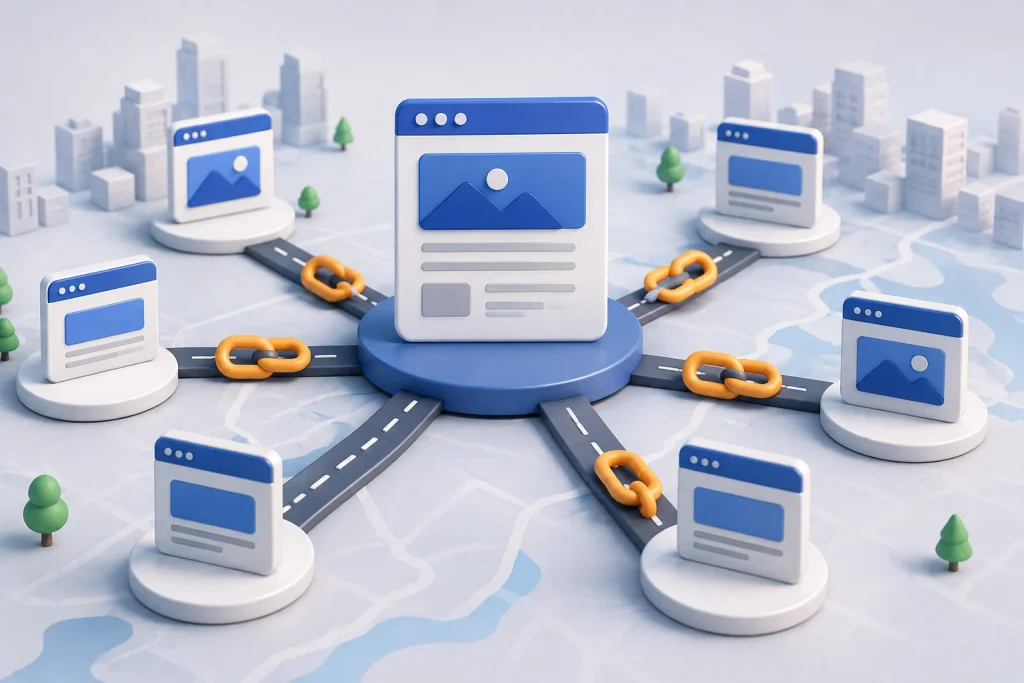
Let’s start with the basics. Link building refers to the process of acquiring hyperlinks from other websites to your own. Think of links as the roads that connect the big city of the internet. The more quality pathways leading back to your site, the easier it is for users and search engines (hello, Google!) to find and trust you.
A link building specialist, then, is the mastermind constructing these roads. But it’s more than just scatter-shotting links across the web there’s a strategic and thoughtful approach behind it. This isn’t about spammy tactics; it’s about forging meaningful connections and emphasizing value. Sounds intriguing, doesn’t it?
It’s Not Just About Backlinks It’s About Authority
A common misconception is that link building is solely about accumulating as many backlinks as possible. But here’s the real deal: it’s not a quantity game; it’s a quality one. A link building specialist ensures the links they obtain come from credible, authoritative, and relevant websites.
For example, imagine you own a fitness blog. A link from a top-tier health publication or popular fitness influencer will carry much more weight than a random, unrelated gardening blog (no offense, gardening!). Google looks at the quality and relevance of these links to determine how much authority your website has in its niche.
The Relationship Builder
At its heart, link building is about relationships. Yup, people skills matter here! Specialists often reach out to other site owners, bloggers, and publishers to collaborate on content or request backlinks in exchange for value. Building trust and creating genuine partnerships is part of their daily routine.
- Outreach: Reaching out to industry influencers and pitching ideas.
- Collaborations: Partnering with other brands for guest blog posts or joint projects.
- Content Creation: Crafting share-worthy content that earns organic links naturally.
Addressing Common Misunderstandings
Now, let’s set the record straight on one key thing: not all links are created equal. A strong link building specialist isn’t just pulling in links from anywhere and everywhere. They focus on links that contribute to building a positive reputation and improving SEO rankings.
This also means dodging black-hat SEO practices (those shady, fast-results-but-bad-idea tactics). A reputable link building specialist operates with integrity, playing the long game for sustainable success.
So, Why is Their Role So Vital?
Without links, your website might as well be stuck in a digital vacuum. Links are signals to search engines that your content is valuable and trustworthy.
They’re like endorsements from other sites saying, “Hey, this one’s worth checking out!” A skilled link building specialist ensures these endorsements are genuine, effective, and aligned with your SEO strategy.
In the ever-changing SEO world, this specialist doesn’t just build links they build confidence in your online presence. At the end of the day, they aren’t just “link builders.” They’re connectors, strategists, and a secret ingredient to SEO success!
The Skills That Set a Link Building Specialist Apart
What makes a Link Building Specialist truly shine? Is it their ability to send countless emails, conjure impressive spreadsheets, or just focus on SEO metrics? Well, not quite. It’s actually a delicate mix of creativity, analytical thinking, communication prowess, and persistence. Let’s explore some of the key skills that differentiate an exceptional Link Building Specialist from those still finding their footing in the field.
1. Exceptional Communication Skills

A big chunk of link building involves outreach connecting with other websites, bloggers, and industry professionals to secure those coveted backlinks. This is where strong communication skills come into play.
- Crafting persuasive emails is crucial. Your emails should be clear, concise, and tailored to each recipient.
- Building relationships is not just a bonus it’s essential. Gaining trust opens the door to long-term partnerships.
Think of communication as your secret weapon. Whether it’s pitching guest posts or spotlighting new content, a skilled communicator can make all the difference.
2. Research Savvy and Attention to Detail
Links don’t grow on trees! You’ll need detective-level research skills to identify opportunities where link building can thrive.
- Find “relevant websites” that align with your industry or niche.
- Evaluate a site’s “domain authority” and audience relevance. Not every link will bring equal value, after all!
- Spot “untapped opportunities”, like broken links or content gaps within a site, and suggest how your business can bridge the divide.
Being detail-oriented ensures that every link you chase after adds meaningful value, rather than simply boosting your numbers.
3. Tech-Savviness
You don’t need to be a coder, but having a good grip on key tools and platforms is a must. A Link Building Specialist should feel comfortable navigating analytics tools, exploring competitors’ backlinks, and automating certain parts of the workflow.
Here’s a shortlist of tech skills you’ll definitely benefit from:
- SEO tools like Ahrefs, SEMrush, or Moz to analyze links and site performance.
- Email marketing tools to streamline outreach campaigns.
- Basic HTML knowledge for embedding links or working with anchor text effectively.
Mastery of tech tools not only boosts efficiency but also makes you a more resourceful and hands-on professional.
4. Creative Problem-Solving
What happens when the standard link-building strategies don’t cut it? That’s when creativity steps in! Outstanding specialists often think outside the box to craft unique link opportunities. Consider these tactics:
- Creating compelling infographics or original research reports that others will naturally want to link to.
- Pioneering content collaborations with influencers or brands.
- Offering unique resources, like industry toolkits or calculators, to attract organic backlinks.
Creativity isn’t just about being quirky it’s about finding practical and innovative solutions that set your link-building campaigns apart.
5. Persistence and Patience
Lastly, let’s face it link building takes time. You might not get a response to your first email or see immediate results from your efforts, and that’s okay! A resilient mindset is key to thriving in this field.
Success doesn’t come overnight, but those who stick to the process, learn from setbacks, and continually refine their approach tend to outshine the competition.
How Link Building Ties Into Your Overall SEO Strategy

Alright, let’s chat about something exciting: the relationship between link building and your overall SEO strategy! Think of your SEO strategy as a puzzle. The goal is to put all the pieces together, so your website gets the kind of visibility it deserves. Now, link building is one of those big, shiny puzzle pieces that can really transform your SEO efforts. Let’s break it down.
Why Links Matter for SEO
Links are like trust signals for search engines. When a reputable website links to your site, search engines view this as a vote of confidence. It’s like the online world’s way of saying, “Hey, this site knows what it’s talking about.” These links, called backlinks, help to improve your website’s authority and, in turn, your rankings on search engine results pages (SERPs).
But it’s not just about getting links from anywhere. Quality trumps quantity, always. One link from a big-name website in your industry can have significantly more pull than dozens from irrelevant or low-quality sites.
In short, building strong links signals to Google (and others) that your content is trustworthy, valuable, and worth promoting.
The Role of Link Building in a Bigger SEO Picture
Link building doesn’t work in a vacuum it connects with other SEO efforts to create a well-rounded strategy. Here’s how:
- Content Creation: Excellent content and link building go hand in hand. When your site offers unique, high-quality content, it’s easier to attract links naturally. A well-written article, infographics, or research data can prompt others to link back to you.
- On-Page SEO: Before you even start building links, ensure that the targeted pages on your site are optimized. It’s crucial to have proper meta tags, header structures, and focused keywords, so when traffic starts rolling in via links, your pages deliver the kind of content visitors are looking for.
- Brand Awareness: Link building often involves outreach to influencers, writers, or site owners. This outreach doesn’t just earn you links it can help elevate your brand’s visibility in your industry, fostering partnerships and collaborations.
Why Strategy Is Everything
Here’s the thing: you shouldn’t approach link building with a scattergun approach. It’s not about spamming every blog out there with link requests or buying links (big no-no).
Instead, a well-structured link building plan ensures that every link you build aligns with your business goals, targets relevant websites, and contributes to long-term SEO growth.
For instance, if you run an eco-friendly clothing brand, your strategy might include guest blogging on sustainability blogs, partnering with environmental influencers, or being featured in industry-specific directories.
Each link you build should be intentional and lead to relevant audiences who are likely interested in your product or service.
Common Missteps to Avoid in Link Acquisition
Ah, the world of link building! It’s exciting and rewarding when done right, but it can get a little tricky if you’re not careful. If you’re a link builder or even if you’re just dabbling in the art avoiding common pitfalls is crucial to your success. Let’s chat about some typical mistakes and, more importantly, how to sidestep them!
1. Ignoring Relevancy
If there’s one golden rule in link building, it’s this: quality over quantity. Some people fall into the trap of chasing after any {italic}link literally any link they can get their hands on, regardless of whether it’s relevant to their niche. Guess what? Search engines are smart. They’re not going to reward a gaming website with a hundred backlinks from beauty blogs. Instead:
- Focus on sites that align with your content.
- Ask yourself: Does this link genuinely make sense for my audience?
Remember, a single, meaningful backlink from a site related to your niche is worth ten irrelevant ones!
2. Falling for Spammy, Too-Good-to-Be-True Offers
We’ve all seen those ads or emails about buying hundreds of backlinks at a low price. Tempting, right? But here’s the brutal truth: Google doesn’t like shortcuts. When you build links using unethical tactics or purchase from shady providers, you’re setting yourself up for penalties. Instead:
- Invest time in genuine outreach to authentic websites.
- Aim for organic, editorial, or partnership-based links.
Basically, if it seems too easy, it probably is!
3. Forgetting the Power of Anchor Text
Anchor text the clickable text in a hyperlink might seem like a tiny detail in the grand picture of SEO, but oh boy, it’s important! A common misstep is either over-optimizing anchor text with exact-match keywords or, on the flip side, using generic placeholders like “click here.” Instead, aim for balance:
- Include a mix of branded, generic, and keyword-rich anchors.
- Ensure the text flows naturally within the content.
Google values organic and variety when it comes to anchor text.
4. Overlooking the User Experience
At the end of the day, backlinks aren’t just about search engines they’re also about real people. A major mistake is acquiring links on sites stuffed with ads, poorly written content, or hard-to-navigate designs. These links might bring no value to real readers or even make your own site look bad by association. Instead:
- Seek out clean, well-respected websites.
- Prioritize sites that provide value to their visitors.
A great user experience on the linking site translates to better credibility for you!
5. Forgetting to Build Relationships
Link building is as much about people as it is about links. A surefire way to lose momentum in your strategy is by sending out mass, impersonal outreach emails. Instead, think long-term:
- Foster relationships with editors, bloggers, and website owners.
- Take time to tailor your pitches and show genuine interest.
When you value the people behind the websites, you’re more likely to create lasting partnerships that benefit both sides.
Key Tools Every Link Building Specialist Should Know
Alright, so here’s the deal link building is a fantastic mix of art and science, and to truly master it, every Link Building Specialist needs the right set of tools in their arsenal. Think of these tools as your trusty sidekicks or the gadgets in your toolbelt they make your job easier, more efficient, and way more fun. Let’s dive into some key tools that should always be in your corner.
1. Ahrefs: The All-in-One Powerhouse
Ahrefs isn’t just a tool; it’s practically a Swiss army knife for anyone involved in SEO or link building. With its robust backlink analysis, you can spy (ethically, of course) on competitors to see where their links are coming from. Want to know which high-authority websites are linking to your competitors but not to you? Ahrefs has your back. Plus, it also excels in keyword research and content gap analysis to help you identify opportunities.
2. SEMrush: Your Strategic Assistant
If you haven’t gotten acquainted with SEMrush yet, consider it the Robin to your Batman. One of its standout features for link builders is its Backlink Audit Tool, which makes sure your website’s link profile stays squeaky clean. SEMrush excels in outreach management too, helping you keep track of all those pitches and ongoing campaigns in one organized space.
3. BuzzStream: Outreach Made Simple
Outreach is the bread and butter of link building, but managing countless spreadsheets and emails? Not ideal. Enter BuzzStream! This platform helps you keep everything centralized, from lead research and tracking your conversations to sending out custom email campaigns. It even tracks who’s responded to your requests, giving you an extra layer of flair when juggling multiple prospects.
4. Google Search Operators: The “No-Cost” Game Changer
Sometimes, the best tools are the simplest ones. Google itself can be an amazing ally in your link-building endeavors. Using search operators, Link Building Specialists can uncover guest blogging opportunities, relevant directories, and broken link opportunities. And guess what? It’s absolutely free! Combine search operators like intitle: or inurl: with your niche keywords, and you’re good to go.
5. Hunter.io: For Finding Those Elusive Contacts
When link building feels like detective work, Hunter.io steps in to save the day. This nifty tool finds email addresses associated with a specific domain, meaning you can reach out directly to decision-makers. Tired of cold emails getting ignored? Personalize your pitches with accurate contact details for better success rates!
6. Linkody: Your Backlink Snooper
Linkody is perfect for keeping tabs on your backlinks once they’re earned. With real-time notifications, you’ll know immediately if a link is removed or updated. Think of it as your backlink babysitter, ensuring all your hard-earned links are still out there working their magic.
7. Check My Links: Simplifying Broken Link Building
Here’s one specifically for Chrome users: Check My Links. Whenever you land on a webpage, this handy extension highlights broken links for you. Broken link building is a fantastic way to create win-win situations you help website owners fix broken links, and they’re more likely to link to your content in return.
- Pro Tip: Combine Check My Links with Ahrefs to find replacement content that can slide seamlessly into those broken spots.
Why Using the Right Tools Matters
You might be wondering, “Can’t I do all this without tools?” Well, sure, but imagine trying to cook a gourmet meal with just a butter knife. Effective tools not only save time but also provide insights and automation that you wouldn’t get otherwise. They let you focus on strategic thinking rather than repetitive grunt work. And let’s be honest who wouldn’t want to make their job a little easier?
Measuring the Success of Your Link Building Efforts
Alright, so you’ve been hustling as a link building specialist, forging connections, securing high-quality backlinks, and diversifying your portfolio of links. But here’s the million-dollar question: how do you know if all your hard work is actually paying off? Measuring the success of your link-building strategy is essential not just to prove your worth, but also to refine your efforts for even better results. Let’s dive into how to properly assess link building success without needing a PhD in analytics.
1. Set Clear Metrics for Success
First things first: you can’t measure success if you don’t define it! Before you analyze your performance, determine the key metrics you want to track. Are you trying to increase referral traffic? Boost your search engine rankings? Grow domain authority? Having clear, measurable objectives will make tracking progress so much easier. A few common metrics to monitor include:
- Referral Traffic: Keep an eye on how much traffic is coming directly from your acquired links. Tools like Google Analytics can help you track visits sourced from backlinks.
- Search Engine Rankings: Are your targeted keywords climbing up the rankings? Improved visibility in search results can often signal effective link building.
- Domain Authority (DA): While not a “be-all, end-all,” keeping tabs on DA (via tools like Moz) can show whether high-quality links are improving your site’s credibility.
- Click-Through Rates (CTR): Are people actually clicking links placed on other sites? This matters, especially when you’re targeting relevant audiences.
2. Use the Right Tools
You don’t need to be a wizard to measure link-building success, but having the right tools helps. Some of my personal favorites? Here’s a shortlist:
- Google Analytics: Track referral traffic and user behavior directly from your backlinks.
- Ahrefs: Monitor acquired backlinks, their quality, and the referring page’s authority.
- SEMrush: Great for monitoring keyword rankings and organic traffic fluctuations linked to your links.
- Moz Link Explorer: Dive deep into DA, inbound links, and overall link quality.
Using these tools effectively ensures you can identify trends (whether positive or negative) early on and adjust your strategy accordingly.
3. Focus on Long-Term Gains Over Short-Term Wins
Here’s where some specialists go wrong: expecting to see results overnight. The truth is, link building is often a long game. You might see a gradual climb in referral traffic, better rankings over months, or a slow and steady improvement in authority. Step back and look at the big picture not just week-to-week stats.
4. Ask These Crucial Questions
While monitoring data is important, sometimes qualitative insights can be just as revealing. For example, ask yourself:
- “Are the links pointing to relevant content on my site?”
- “Am I earning links from authoritative and trustworthy domains?”
- “Are these links creating real value for my target audience?”
If your answers are a resounding “yes,” chances are your strategy is on track!
5. When in Doubt, Adapt
The digital landscape is always changing, so don’t be afraid to tweak your strategy if the numbers aren’t where you want them to be. Focus on content that’s sharable, valuable, and worthy of being linked to. Double down on the techniques that are performing well and drop what’s not working.
The Future of Link Building: What Specialists Need to Prepare For
Ah, the world of link building always evolving, never boring! If you’re working as a link building specialist or even just dabbling in it, you know that adaptation is your best friend. So, what does the crystal ball say about the future of link building? Let’s dive in together and unravel the trends, tools, and tactics that you’ll need to stay ahead.
Stay Ahead with Quality Over Quantity
The days of acquiring heaps of low-quality links are long gone. Search engines are smarter than ever, and Google continues to fine-tune its algorithms to reward authentic, value-driven content. The future leans heavily away from quantity and onto quality.
Think about building connections that are earned, natural, and relevant to the audience you’re targeting. Forget spammy directories or shady paid links focus on meaningful partnerships, community contributions, and authoritative guest spots that reflect genuine credibility.
Embrace the Need for Niche Expertise
As the internet expands daily, niches are becoming more, well, niche-y! To keep your link building strategy effective, you’ll need a deeper understanding of the industries you’re working in. For example, if you’re working with a client in the renewable energy sector, you’ll need to know their audience, what topics they care about, and where they consume trusted content.
In the future, earning links from reputable niche sites might be your bread and butter. Building rapport with niche influencers, blogs, and forums could become a big part of your day-to-day. Why? Because contextual, topic-specific links are incredibly valuable and much harder for competitors to replicate.
AI and Automation Are Game-Changers, but Human Touch Wins
There’s no denying that artificial intelligence is rolling through like a tidal wave, even in the SEO world. Tools powered by AI can help you identify link opportunities, analyze site authority, and even personalize your outreach messages. Sounds amazing, right?
But and this is a big “but” AI can’t replace the human creativity and relationship-building that goes into great link building.
While automation might save you time on research or data crunching, remember to bring that empathetic, custom touch when you’re reaching out. The gold standard for link building will always be authenticity, so use AI as a support system, not a replacement.
Prepare for an Even Greater Focus on E-A-T
If you’re not already familiar with E-A-T (Expertise, Authoritativeness, Trustworthiness), now is the time to tattoo it on your brain (figuratively, of course!). Search engines are leaning heavily on these principles to decide which websites deserve the spotlight. Building links that bring clear value to high E-A-T sites will be essential.
The more you can show that your content or collaboration meets these high standards, the better positioned you’ll be for the future.
Growing Importance of Visual and Interactive Content
We’re moving toward a web that’s not just driven by words but also by rich visuals and interactivity. Future-forward link builders will need to focus on creating or earning links that direct to visually appealing, info-packed assets like infographics, interactive tools, and videos.
These types of resources tend to attract more attention, generate social shares, and naturally pick up backlinks over time. Pro tip: Make sure they’re mobile-friendly too, since search engines are big on mobile-first indexing.
What Should You Do Today to Be Ready for Tomorrow?
- Keep honing your relationship-building skills they’ll never go out of style.
- Invest time in learning about the rising technologies, like AI tools that can complement (not replace) your work.
- Focus on producing or promoting quality content that will stand the test of time.
- Stay nimble follow updates to search engine guidelines religiously!
- Engage in ongoing personal development, whether by attending webinars, reading blogs, or engaging in industry forums.
The journey of a link building specialist is both exciting and full of twists. If you keep your mind open to constant learning and embrace these evolving trends, you’ll not only survive the future you’ll thrive in it. So go out there and build links that are strong, sustainable, and downright game-changing
How to Become a Link Building Specialist
Becoming a link building specialist doesn’t necessarily require a technical degree or years of SEO experience. What matters most is developing a strong understanding of SEO, learning how backlinks work, and building the communication and research skills needed to find and secure valuable opportunities.
1. Learn the Fundamentals of SEO
Start by understanding the basics of search engine optimization, including backlinks, anchor text, keyword research, on-page SEO, domain authority, and search intent. A strong SEO foundation helps you understand why a particular link could be valuable rather than simply chasing every available opportunity.
2. Develop Research and Prospecting Skills
Link building involves finding relevant websites, publishers, bloggers, influencers, and other potential link sources. Learn how to evaluate websites based on relevance, authority, audience, and content quality.
The ability to identify opportunities such as broken links, content gaps, and relevant publishing opportunities is already highlighted as an important specialist skill.
3. Improve Your Outreach and Communication
Outreach is a major part of link building. Practice writing concise, personalized emails that explain why your content or collaboration would be useful to the recipient.
Avoid sending identical mass emails. Building genuine relationships with editors, publishers, bloggers, and website owners can create better opportunities over time.
4. Learn the Essential Tools
Get comfortable with tools such as Ahrefs, Semrush, Moz, BuzzStream, Hunter.io, and Google search operators. These can help with backlink research, prospect discovery, outreach, contact finding, and monitoring.
You don’t need to master every tool immediately. Start with the platforms most relevant to your workflow and gradually expand your toolkit.
5. Build Practical Experience
The best way to improve is to actually work on link-building campaigns. You can practice by analyzing competitor backlinks, finding relevant prospects, identifying broken-link opportunities, creating outreach campaigns, and tracking acquired links.
Over time, these practical experiences will help you understand which strategies work, which pitches get responses, and which types of content naturally attract links.
6. Keep Learning
SEO continues to change, so a successful specialist needs to stay curious. Follow search engine updates, experiment with new outreach approaches, learn emerging technologies, and keep improving your understanding of different industries.
As the article’s future-focused section explains, AI and automation can support research and analysis, but human creativity and relationship-building remain important.
Frequently Asked Questions
What does a link building specialist do?
A link building specialist finds and develops opportunities to acquire quality backlinks for a website. Their work can include prospect research, outreach, content collaboration, relationship building, competitor backlink analysis, and link monitoring.
Why is link building important for SEO?
Quality backlinks can act as signals of credibility and authority to search engines. Links from relevant and trustworthy websites can support a site’s visibility and help strengthen its overall SEO strategy.
What skills does a link building specialist need?
Important skills include communication, research, attention to detail, technical knowledge, creative problem-solving, persistence, and patience. Strong relationship-building skills are particularly valuable because outreach is a major part of the role.
Do link building specialists need coding skills?
They don’t necessarily need advanced coding skills. However, basic HTML knowledge can be useful when working with links and anchor text, while familiarity with SEO and analytics tools is important for the role.
What tools do link building specialists use?
Common tools include Ahrefs, Semrush, BuzzStream, Hunter.io, Moz, Linkody, Check My Links, and Google search operators. Each can support different parts of the link-building process, from prospect research to outreach and backlink monitoring.
Conclusion
A link building specialist is much more than someone who acquires backlinks. They are researchers, communicators, strategists, and relationship builders who understand how quality links can contribute to a broader SEO strategy.
The strongest specialists focus on relevance and quality instead of chasing backlink numbers. They know how to identify valuable opportunities, create useful content, build genuine relationships, use the right tools, and measure whether their efforts are producing meaningful results.
As search continues to evolve, the role will evolve with it. AI and automation may make research and analysis faster, but authentic relationships, niche expertise, valuable content, and a commitment to sustainable SEO will remain essential.
If you’re looking to build a career in link building or strengthen your website’s SEO, start with the fundamentals, develop practical skills, and focus on earning links that genuinely deserve to exist. Quality connections will always be more valuable than a long list of meaningless backlinks.