

Search Engine Optimization (SEO) has become one of the most important digital marketing strategies for businesses, bloggers, and online brands. Every day, billions of searches are performed on search engines like Google, and behind every successful search result lies one crucial factor: keywords.
Keywords are the bridge between what people search for and the content you create. Without proper keyword research and optimization, even the best-written content may never reach its target audience.
In this detailed guide, we will explore the importance of keywords in SEO, how they work, the different types of keywords, keyword research strategies, common mistakes, and best practices for achieving higher search engine rankings.
Why Are Keywords Important in SEO?
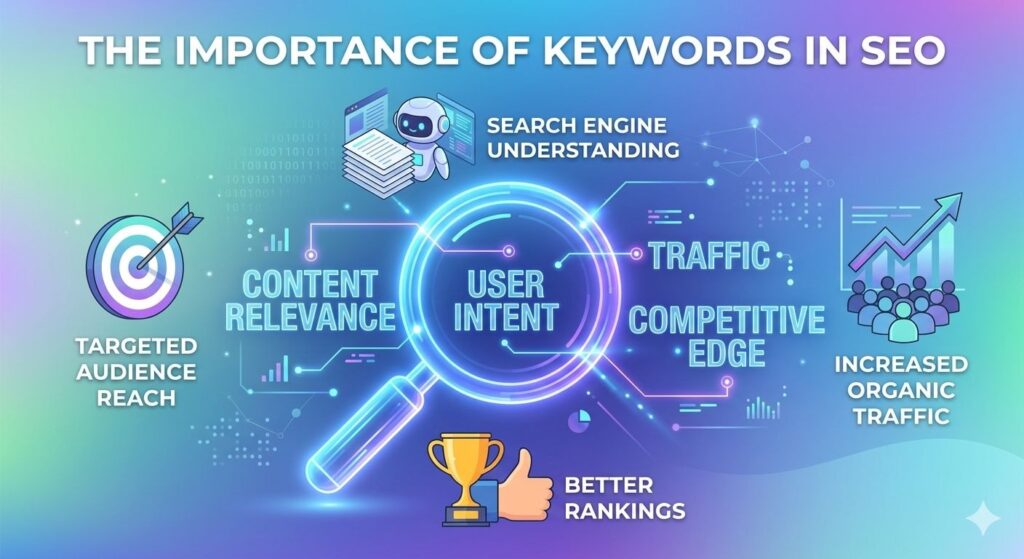
Keywords play a foundational role in SEO because they connect users with relevant content. Proper keyword optimization helps websites increase visibility, attract organic traffic, and improve conversions.
Let’s look at the major reasons why keywords are important.
search engines can better determine what your content is about.
Search engines use keywords to analyze and understand the topic of a webpage.
When you include relevant keywords naturally in:
- Titles
- Headings
- URLs
- Meta descriptions
- Body content
- Image alt text repeatedly and naturally includes terms like:
- “email marketing strategies”
- “email campaign optimization”
- “email automation tools”
Google understands that your content relates to email marketing. This improves your chances of ranking for related searches.
Keywords Increase Organic Traffic One of the biggest advantages of SEO is organic traffic.
Organic traffic refers to visitors who come to your website through unpaid search results. By targeting the right keywords, you can attract users actively searching for your products, services, or information.
For example: A bakery optimizing for:
- “best chocolate cake in New York”
- “custom birthday cakes”
- “wedding cakes near me”
can attract highly relevant visitors who are more likely to become customers.
Relevant keyword targeting leads to:
- Higher visibility
- More clicks
- Better engagement
- Increased sales
Keywords Help Match Search Intent
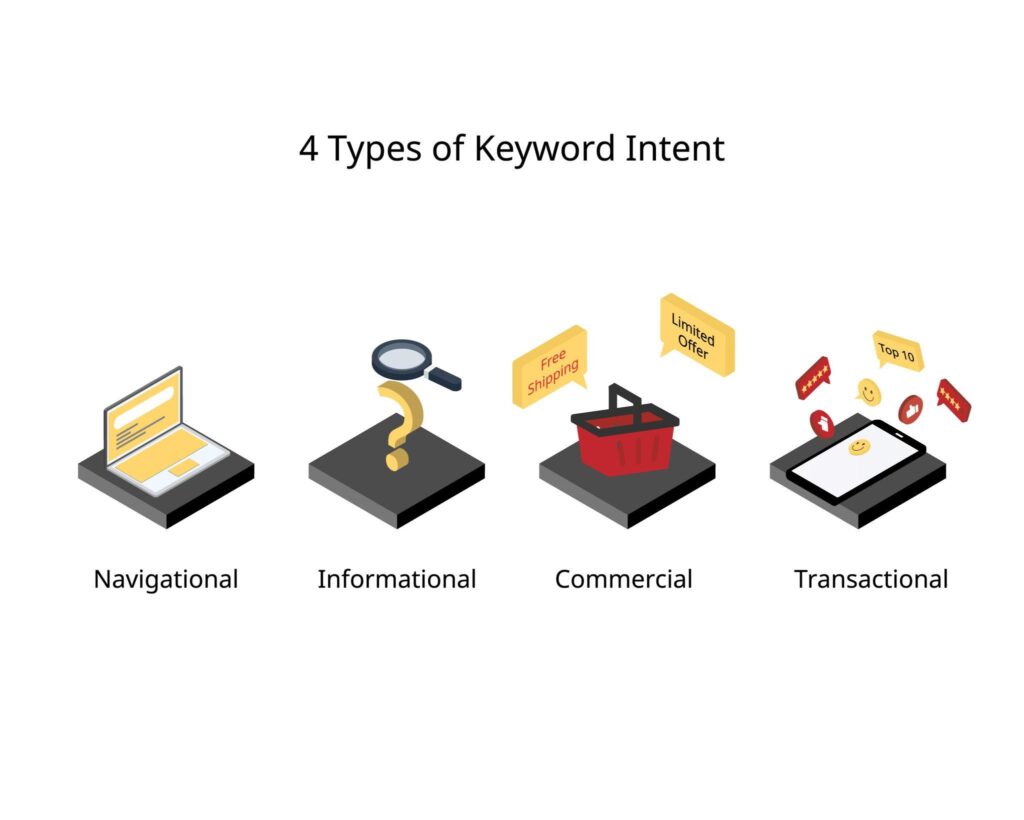
Search intent refers to the reason behind a user’s search query. Understanding intent is essential because Google prioritizes content that best satisfies user needs.
There are four primary types of search intent:
1. Informational Intent: Users want information.
Examples:
- “what is SEO”
- “how to bake bread”
2. Navigational Intent: Users want to visit a specific website.
Examples:
- “YouTube login”
- “Facebook homepage”
3. Transactional Intent: Users are ready to buy.
Examples:
- “buy iPhone 15”
- “best laptop deals”
4. Commercial Investigation: Users compare options before purchasing.
Examples:
- “best SEO tools”
- “Semrush vs Ahrefs”
Choosing keywords that match intent helps improve rankings and conversion rates.
Keywords Improve Content Strategy
Keyword research provides valuable insights into what your audience wants.
By analyzing search terms, businesses can identify:
- Popular topics
- Customer pain points
- Industry trends
- Frequently asked questions
This helps create content that addresses real user needs.
For example: If many users search for:
- “how to improve website speed”
then creating detailed content around page speed optimization becomes a smart SEO strategy.
Keywords guide:
- Blog topics
- Landing pages
- Product descriptions
- FAQ sections
- Video content
- Social media campaign
Keywords Help You Compete in Search Results
SEO is highly competitive. Your competitors are also trying to rank for valuable search terms.
Strategic keyword targeting helps you:
- Find ranking opportunities
- Discover low-competition keywords
- Target niche audiences
- Gain market visibility
Long-tail keywords are especially useful for smaller businesses.
For example: Instead of targeting: “shoes”
You can target: “best waterproof hiking shoes for women”
Long-tail keywords often:
- Have lower competition
- Bring more qualified traffic
- Generate better conversions
Keywords Improve Conversion Rates
Not all traffic is valuable. The real goal of SEO is attracting users who are likely to take action.
Relevant keywords help bring visitors who:
- Need your services
- Want your products
- Are interested in your content
For example: Someone searching:
- “buy affordable SEO services”
is more likely to convert than someone searching:
- “what is SEO”
Targeting high-intent keywords improves:
- Lead generation
- Sales
- Sign-ups
- Revenue
Understanding keyword metrics
Keyword metrics help you evaluate which keywords are worth targeting in SEO. They provide data about how often a keyword is searched, how competitive it is, and its potential to bring traffic to your website.
Important keyword metrics include:
1. Search Volume
Search volume shows how many times a keyword is searched in a month. High search volume keywords can bring more traffic.
2. Keyword Difficulty (KD)
Keyword difficulty measures how hard it is to rank for a keyword. Higher difficulty means more competition.
3. Search Intent
Search intent explains why users search for a keyword. It can be informational, navigational, commercial, or transactional.
4. Cost Per Click (CPC)
CPC shows how much advertisers pay for a click on that keyword in paid ads. High CPC often indicates strong commercial value.
5. Competition
Competition tells how many websites are trying to rank for the same keyword.
Understanding these keyword metrics helps you choose smart keywords and create SEO content that has a better chance of ranking and attracting the right audience.
Common Keyword Mistakes to Avoid
Using keywords correctly is essential for successful SEO, but many websites make common mistakes that can negatively affect rankings, user experience, and organic traffic. Simply adding keywords to content is not enough, they must be used strategically and naturally.
Avoiding these keyword mistakes can help improve your SEO performance and make your content more valuable for readers.
1. Keyword Stuffing
Keyword stuffing happens when a keyword is repeated too many times in an unnatural way.
In the past, websites used excessive keyword repetition to manipulate search rankings. Today, search engines are much smarter and prioritize high-quality, user-friendly content.
Example of Keyword Stuffing:
“SEO keywords are important because SEO keywords help improve SEO keyword rankings using SEO keywords.”
This type of writing feels unnatural and creates a poor reading experience.
Why It’s Bad:
- Makes content difficult to read
- Hurts user experience
- Can lead to search engine penalties
- Reduces content quality
Better Approach:
Use keywords naturally and include related phrases or synonyms where appropriate.
2. Ignoring Search Intent
One of the biggest SEO mistakes is targeting keywords without understanding what users actually want.
Search intent refers to the purpose behind a search query. If your content does not match user intent, it may struggle to rank even if the keyword is included.
Example:
Someone searching:
“best laptops under $1000”
is likely looking for product recommendations, not a technical explanation of how laptops work.
Why It Matters:
Google wants to show content that best satisfies the user’s needs.
How to Avoid It:
Create content based on the type of intent:
- Informational
- Navigational
- Transactional
- Commercial
Matching search intent improves rankings and conversions.
3. Targeting Extremely Competitive Keywords
Many beginners try to rank for broad, highly competitive keywords like:
- “SEO”
- “Shoes”
- “Marketing”
These keywords are often dominated by large, authoritative websites.
Why It’s a Problem:
- Difficult to rank for
- Requires strong domain authority
- Takes a long time to compete
Better Strategy:
Focus on long-tail keywords such as:
- “best SEO tips for beginners”
- “comfortable running shoes for women”
- Example:
- “digital marketing strategies for small businesses”
Long-tail keywords usually:
- Have lower competition
- Attract targeted traffic
- Generate better conversions
4. Not Using Keywords Naturally
Forcing keywords into sentences can make content sound robotic and awkward.
“Our SEO services SEO company provides SEO solutions for SEO businesses.”
This reduces readability and creates a poor experience for users.
Better Approach:
Write naturally for humans first, then optimize for search engines.
Search engines today understand:
- Synonyms
- Context
- Related terms
- Natural language
Natural writing improves both SEO and user engagement.
5. Ignoring Keyword Research
Publishing content without proper keyword research is like creating content blindly.
Without research, you may target keywords that:
- Have no search volume
- Are too competitive
- Don’t match your audience’s needs
Why Keyword Research Matters:
It helps you understand:
- What people are searching for
- Popular topics
- Search trends
- User problems
Solution:
Use keyword research methods such as:
- Google search suggestions
- Competitor analysis
- SEO tools
- FAQ research
- Industry trend analysis
Good keyword research leads to smarter content creation.
6. Using Only One Keyword
Some content creators focus only on one exact keyword repeatedly throughout the article.
Modern SEO is more advanced. Search engines now understand related phrases and semantic keywords.
Example:
Instead of only using:
“SEO keywords”
you can also use:
- keyword optimization
- search terms
- keyword strategy
- SEO phrases
Benefits:
- Improves content relevance
- Helps rank for multiple searches
- Makes writing more natural
Using related keywords creates richer, more comprehensive content.
7. Neglecting Local Keywords
Businesses that serve specific locations often forget to target local search terms.
Example:
A bakery in New York should target:
- “bakery in New York”
- “best cakes near me”
- “custom birthday cakes NYC”
Why Local Keywords Matter:
- Improve local visibility
- Attract nearby customers
- Help rank in local search results
Local SEO is especially important for:
- Restaurants
- Salons
- Clinics
- Stores
- Service businesses
8. Forgetting to Optimize Meta Tags
Some websites create good content but ignore meta titles and meta descriptions.
Meta tags help search engines and users understand your page before they click on it.
Why It’s Important:
Optimized meta tags can:
- Improve click-through rates
- Increase visibility
- Help search engines understand content
Best Practice:
Include your primary keyword naturally in:
- Meta titles
- Meta descriptions
Keep them clear, engaging, and relevant.
9. Not Updating Old Keywords
SEO trends and search behavior change over time. Keywords that worked a few years ago may no longer perform well today.
Why This Matters:
Search habits evolve because of:
- New technologies
- Industry trends
- Changing customer behavior
- Voice search growth
Solution:
Regularly:
- Update old content
- Refresh keywords
- Analyze search trends
- Monitor ranking performance
Keeping content updated helps maintain SEO performance.
10. Focusing Only on Search Engines
A major mistake in SEO is writing only for search engines instead of real people.
Even if your content ranks well initially, users will leave quickly if the content:
- Feels unnatural
- Provides little value
- Is difficult to read
Google Prioritizes:
- Helpful content
- User experience
- Content quality
- Engagement
Best Approach:
Create content that:
- Solves problems
- Answers questions
- Provides value
- Reads naturally
Good SEO always starts with helping the user first.
How to Find Keywords

Finding the right keywords is one of the most important parts of SEO.
Popular ways to find keywords:
- Use keyword research tools
- Analyze competitor websites
- Search for customer pain points
- Follow industry trends
- Look at frequently asked questions
- Use Google search suggestions
This helps create content that addresses real user needs and improves the chances of ranking higher in search engines.
Where to Use Keywords on Your Page
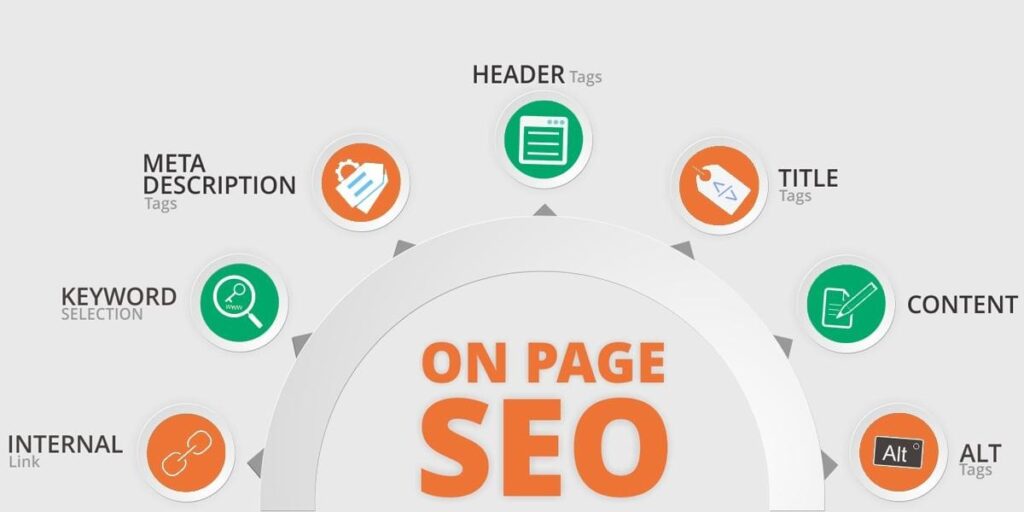
Using keywords in the right places is one of the most important parts of on-page SEO. Proper keyword placement helps search engines understand your content, improves your visibility in search results, and makes it easier for users to find the information they need.
However, keywords should always feel natural within the content. Overusing keywords, also known as keyword stuffing, can hurt both user experience and search rankings. The goal is to create helpful, readable content while strategically placing keywords in important areas of the page.
Below are the most important places where keywords should be used for better SEO performance.
1. Page Title
The page title is one of the strongest SEO signals for search engines. It tells both users and Google what your page is about.
Including your primary keyword in the title helps improve your chances of ranking for that search term. A clear and engaging title also encourages users to click on your page in search results.
Best Practices:
- Place the main keyword near the beginning of the title
- Keep titles clear, readable, and attractive
- Avoid stuffing multiple keywords into the title
- Keep the title around 50–60 characters long
Example: “Importance of Keywords in SEO: A Complete Guide”
A strong title improves:
- Search rankings
- Click-through rates (CTR)
- User understanding
2. Headings and Subheadings (H1, H2, H3)
Headings help organize your content and improve readability for users. They also help search engines understand the structure and main topics of your page.
Using keywords in headings naturally reinforces your content’s relevance to the topic.
Important Heading Types:
- H1: Main page title
- H2: Main sections
- H3: Subsections within topics
Example:
- H1: Importance of Keywords in SEO
- H2: Why Keywords Matter
- H3: Benefits of Long-Tail Keywords
Benefits:
- Improves content structure
- Enhances user experience
- Helps search engines understand context
- Makes articles easier to scan and read
Well-structured headings can also increase your chances of appearing in featured snippets on Google.
3. Introduction Paragraph
The introduction is one of the first sections both readers and search engines analyze. Including your primary keyword naturally within the first paragraph immediately signals what the page is about.
A good introduction should:
- Clearly explain the topic
- Capture reader attention
- Include the main keyword naturally
Example:
“Keywords play a major role in SEO because they help search engines understand your content and connect it with the right audience.”
Why It Matters:
- Improves topic relevance
- Helps search engines quickly identify page content
- Reassures users they found the right information
Avoid forcing keywords unnaturally into the introduction. Focus on readability first.
4. URL Structure
URLs are another important SEO element. A short, clean URL containing the target keyword helps search engines and users understand the page topic quickly.
Good URL Example:
yourwebsite.com/importance-of-keywords
Poor URL Example:
yourwebsite.com/page?id=12345&seo=abc
Best Practices:
- Keep URLs short and simple
- Include the main keyword
- Use hyphens between words
- Avoid unnecessary numbers or symbols
Keyword-friendly URLs improve:
- Search engine understanding
- User trust
- Link sharing readability
5. Meta Title and Meta Description
Meta tags are the snippets users see on search engine result pages. While meta descriptions are not a direct ranking factor, they strongly influence click-through rates.
Including keywords in meta titles and descriptions helps users understand that your page matches their search.
Meta Title Example:
“Importance of Keywords in SEO | Complete SEO Guide”
Meta Description Example:
“Learn why keywords are important in SEO, how keyword research works, and the best ways to improve your search engine rankings.”
Benefits:
- Improves search visibility
- Increases clicks from search results
- Helps users understand page content
A compelling meta description can encourage more people to visit your site.
6. Body Content
The body content is where your keywords should appear naturally throughout the article. Search engines analyze the full content to understand depth, relevance, and quality.
Instead of repeating the same keyword excessively, use:
- Related terms
- Synonyms
- Natural variations
- Semantic keywords
Example:
Instead of repeating:
“SEO keywords”
you can also use:
- search terms
- keyword optimization
- SEO phrases
- search queries
Best Practices:
- Write naturally for readers first
- Avoid keyword stuffing
- Focus on providing value
- Use keywords where they fit naturally
Google now prioritizes high-quality, user-focused content over keyword repetition.
7. Image Alt Text
Search engines cannot fully “see” images, so they rely on alt text to understand what an image represents.
Adding keywords to image alt text improves:
- Image SEO
- Accessibility for visually impaired users
- Search visibility in Google Images
Example:
Alt text:
“SEO keyword research strategy chart”
Best Practices:
- Describe the image accurately
- Use keywords naturally
- Avoid stuffing keywords unnecessarily
Optimized images can also drive additional organic traffic.
8. Anchor Text
Anchor text is the clickable text used in internal or external links.
Using keywords in anchor text helps search engines understand the linked page’s topic.
Example: Instead of:
“Click here”
use:
“Learn more about SEO keyword research”
Benefits:
- Improves internal linking structure
- Helps distribute SEO authority across pages
- Improves user navigation
Internal linking also keeps visitors on your website longer, which can positively impact SEO.
9. Conclusion Section
The conclusion gives you another opportunity to naturally include your main keyword while summarizing the article.
A strong conclusion should:
- Reinforce the main topic
- Summarize key points
- Encourage readers to take action
Example: “Using keywords strategically throughout your content can improve SEO rankings, increase organic traffic, and help your website reach the right audience.”
Why It Matters:
- Strengthens content relevance
- Improves topic consistency
- Leaves a clear final impression
10. Frequently Asked Questions (FAQs)
FAQs are becoming increasingly important in SEO, especially with the rise of voice search and conversational search queries.
People often search in question format, such as:
- “What are keywords in SEO?”
- “How many keywords should I use?”
- “Why are long-tail keywords important?”
Including keywords naturally in FAQ sections helps your content rank for these searches.
Benefits of FAQ Optimization:
- Targets voice search queries
- Improves user experience
- Increases chances of appearing in featured snippets
- Covers additional keyword variations
FAQ sections also help answer common user concerns quickly and clearly.
Best Practices for Using Keywords
To get the best SEO results, follow these keyword practices:
- Use keywords naturally in content
- Add keywords in headings and subheadings
- Include keywords in meta titles and descriptions
- Focus on user intent instead of overusing keywords
- Use long-tail keywords for specific searches
- Regularly update keyword strategy based on trends
Frequently Asked Questions
What makes a good keyword?
A good keyword is relevant to your content, has good search volume, matches user intent, and is easy to rank for. It should attract the right audience and fit naturally into your content.
What is a keyword strategy?
A keyword strategy is a plan for choosing and using the right keywords to improve a website’s visibility on search engines. It helps businesses target the right audience, create relevant content, and increase organic traffic through SEO.
How many types of keywords are there?
There are several types of keywords used in SEO, including:
- Short-tail keywords
- Long-tail keywords
- Informational keywords
- Navigational keywords
- Transactional keywords
- Commercial keywords
- Local keywords
- Branded keywords
- Non-branded keywords
- Question-based keywords
Each type helps target different search intents and audiences.
What is the difference between a key phrase and a keyword?
A keyword is usually a single word used in search queries, while a key phrase is a group of two or more words that users search together.
Examples:
- Keyword: SEO
- Key Phrase: How to improve SEO ranking
Key phrases are usually more specific and help target a more focused audience in SEO.
Conclusion
Keywords are the foundation of SEO. They help search engines understand your content and connect your website with the right audience. By finding the right keywords, understanding keyword metrics, and using keywords naturally, businesses and content creators can improve their search rankings, increase traffic, and grow their online presence.
A strong keyword strategy is essential for successful SEO and long-term digital growth.
In the long run, smart keyword optimization can lead to better visibility, more engagement, stronger customer connections, and sustainable digital growth.