

Fitness has evolved dramatically over the last decade. What once depended on generic workout plans and trial-and-error routines has become a data-driven experience tailored to each individual. Wearable devices, smart equipment, and digital coaching platforms are changing how people exercise, recover, and monitor their health. At the center of this transformation is artificial intelligence, enabling fitness experiences that are more accurate, engaging, and effective than ever before.
Whether someone is just beginning a wellness journey or training for competitive sports, AI is making fitness more accessible and personalized. Rather than replacing trainers or healthcare professionals, intelligent systems enhance their capabilities by processing enormous amounts of health data and translating it into practical recommendations.
This shift represents more than a technological trend—it marks a new era where smarter insights lead to healthier lifestyles.
Why AI Is Reshaping the Fitness Industry
Traditional workout programs often assume that everyone responds similarly to exercise. In reality, every person has unique goals, body composition, recovery speed, nutrition needs, and physical limitations.
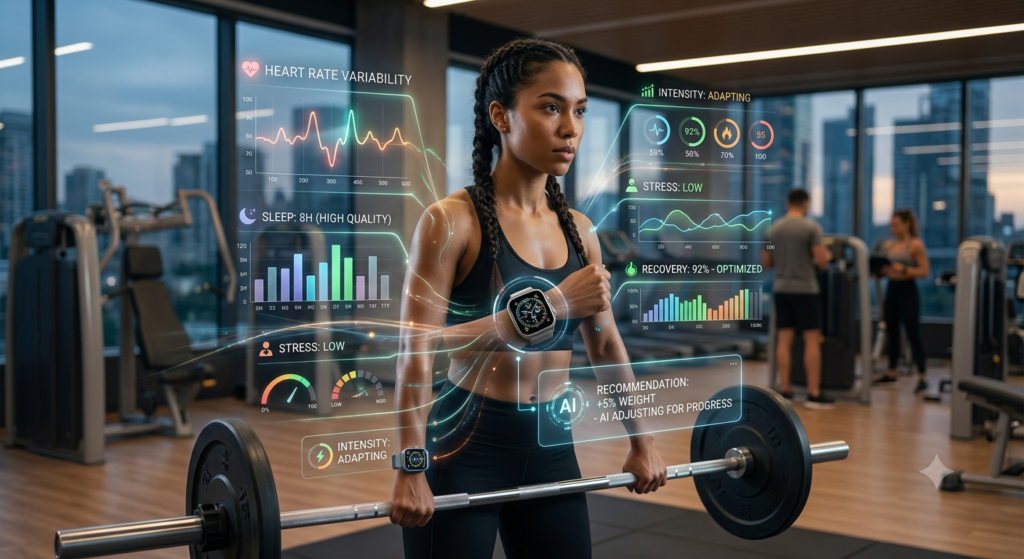
Artificial intelligence addresses these differences by continuously learning from user behavior. Modern fitness platforms analyze information such as:
- Daily activity levels
- Heart rate variability
- Sleep quality
- Recovery time
- Workout intensity
- Nutrition habits
- Stress indicators
Instead of relying on static plans, AI continuously adjusts recommendations based on real-time performance.
The result is a fitness experience that evolves alongside the individual.
Smarter Coaching Without Replacing Human Expertise
One of AI’s greatest strengths is its ability to support coaches rather than replace them.
Personal trainers spend considerable time tracking progress, modifying programs, and analyzing client performance. AI automates much of this repetitive work, allowing professionals to dedicate more attention to motivation, technique, and relationship building.
Advanced enterprise ai solutions are increasingly helping gyms, wellness brands, and sports organizations analyze thousands of users simultaneously. These intelligent systems identify performance trends, predict potential setbacks, and recommend personalized improvements that would be nearly impossible to detect manually.
For large fitness businesses, this scalability creates better customer experiences while reducing administrative workload.
Personalized Workouts That Improve Over Time
Unlike traditional workout schedules, AI-generated programs continue learning after every session.
If a user struggles with a particular exercise, the system may automatically reduce volume or suggest an alternative movement. If recovery data indicates excellent readiness, workout intensity can safely increase.
Adaptive programming helps users:
- Avoid training plateaus
- Reduce unnecessary fatigue
- Improve long-term consistency
- Reach goals more efficiently
Instead of forcing people into rigid routines, AI builds routines around the individual.
Injury Prevention Through Intelligent Monitoring
One of the biggest challenges in fitness is balancing progress with recovery.
Many injuries occur because people push too hard, recover too little, or unknowingly repeat poor movement patterns.
AI systems now monitor multiple variables simultaneously, including:
- Training frequency
- Muscle fatigue
- Sleep patterns
- Heart rate recovery
- Motion tracking
- Exercise technique
When risk factors increase, the software can recommend additional rest days, lighter sessions, or corrective exercises before problems become serious.
This proactive approach benefits recreational athletes just as much as professionals.
Nutrition Becomes More Personalized
Exercise alone rarely determines success.
Nutrition plays a crucial role in energy levels, muscle development, fat loss, and recovery.
AI-powered nutrition platforms analyze:
- Calorie intake
- Macronutrients
- Meal timing
- Allergies
- Personal goals
- Lifestyle habits
Rather than offering generic meal plans, intelligent systems recommend realistic dietary adjustments that fit each person’s routine.
As these systems continue learning, nutritional recommendations become increasingly accurate. For wellness brands selling packaged meals or snacks, a nutrition facts label generator can turn recipe data into compliant panels and ingredient lists for each product.
Wearable Technology Is Fueling Better Decisions
Smartwatches, fitness trackers, heart rate monitors, and connected gym equipment generate enormous amounts of useful information every day.
Artificial intelligence transforms this raw data into meaningful insights.
Instead of simply displaying numbers, AI explains what those numbers mean.
Examples include:
- Recovery readiness scores
- Sleep quality analysis
- Cardiovascular improvements
- Weekly workload recommendations
- Stress management suggestions
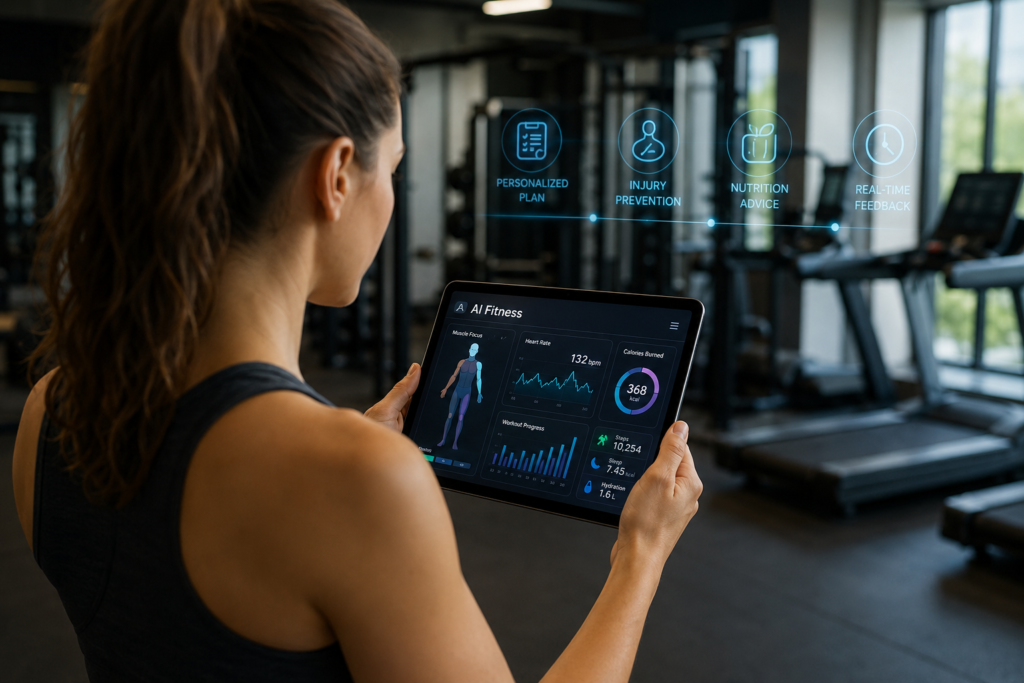
Users receive actionable guidance rather than overwhelming statistics.
AI Makes Home Fitness More Effective
Remote fitness exploded in popularity over recent years, but many home workouts still lack personalized guidance.
AI bridges this gap.
Camera-based movement analysis now provides instant feedback on exercise form. Virtual coaches identify incorrect posture, count repetitions, and recommend adjustments during workouts.
This technology allows users to receive coaching-quality feedback without visiting a gym.
As computer vision continues improving, home fitness experiences will become even more immersive.
Motivation Through Intelligent Engagement
Consistency is often more difficult than exercise itself.
Many people begin ambitious fitness plans only to lose motivation within weeks.
AI combats this challenge by understanding behavioral patterns.
Modern fitness applications can:
- Recommend achievable goals
- Celebrate milestones
- Detect declining engagement
- Suggest workout variations
- Send personalized reminders
- Introduce gamification
Rather than delivering repetitive notifications, AI adapts motivational strategies based on each user’s habits.
This personalized engagement helps improve long-term adherence.
Smart Equipment Is Changing Modern Gyms
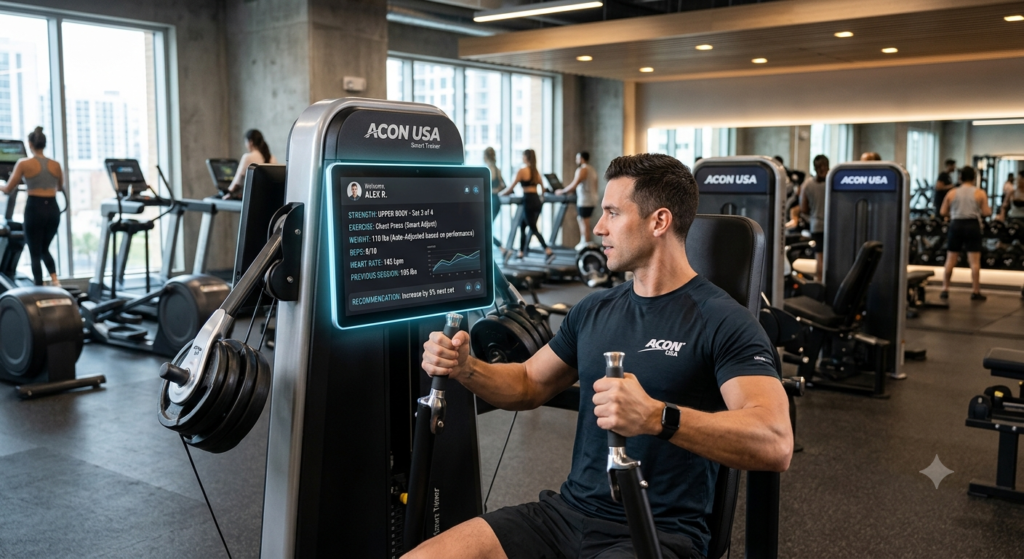
Today’s fitness equipment is becoming increasingly intelligent.
Machines automatically recognize users, adjust resistance levels, record performance history, and recommend progression strategies.
Brands like Acon usa have demonstrated how innovation in fitness equipment continues moving toward smarter, more connected exercise experiences. As AI integration expands, home gyms and commercial facilities alike are expected to become increasingly adaptive, delivering personalized workouts through intelligent hardware and connected digital ecosystems.
This creates a seamless training experience where every workout contributes to continuous improvement.
AI Helps Businesses Deliver Better Fitness Experiences
The impact of artificial intelligence extends beyond individual users.
Fitness companies now rely on AI to improve:
- Customer retention
- Member engagement
- Personalized marketing
- Equipment maintenance
- Scheduling optimization
- Business forecasting
Studios, gyms, and digital wellness platforms can better understand customer behavior while delivering services that feel individually tailored.
These improvements increase satisfaction while strengthening long-term customer loyalty.
Digital Visibility Matters for Fitness Brands
The rapid growth of online fitness has created intense competition.
Exceptional products alone are no longer enough.
Fitness companies need educational content, expert resources, and strong online visibility to reach potential customers.
Professional ecommerce seo services help wellness brands optimize product pages, educational articles, and online stores so users can discover valuable fitness solutions through organic search. Combined with AI-driven content strategies and customer analytics, businesses can build stronger digital authority while attracting highly targeted audiences.
As more consumers research health products online before purchasing, effective search optimization becomes an essential growth strategy.
The Future of AI and Fitness
Artificial intelligence continues advancing at remarkable speed.
Future innovations may include:
- Fully adaptive digital coaches
- Real-time muscle activation monitoring
- Predictive health assessments
- AI-generated rehabilitation programs
- Emotion-aware wellness assistants
- Personalized longevity planning
As sensors become more sophisticated and machine learning models improve, fitness recommendations will become increasingly individualized.
Rather than focusing solely on physical performance, AI will likely integrate mental health, nutrition, sleep, stress management, and preventive healthcare into unified wellness ecosystems.
Building Healthier Habits Through Smarter Technology
Technology alone cannot replace dedication, discipline, or healthy habits. However, artificial intelligence provides valuable guidance that helps people make better decisions every day. From customized workout plans and injury prevention to nutrition coaching and intelligent fitness equipment, AI empowers individuals to train more efficiently while helping businesses deliver more meaningful wellness experiences. As innovation continues, the combination of human commitment and intelligent technology will shape a healthier future for people of all fitness levels.
Conclusion
Artificial intelligence is redefining the future of fitness by making health and performance more personalized, data-driven, and accessible than ever before. From adaptive workout plans and real-time coaching to smarter nutrition recommendations and injury prevention, AI empowers individuals to make informed decisions that support long-term wellness. At the same time, fitness businesses are using AI to improve customer experiences, streamline operations, and deliver highly personalized services at scale.
While AI is a powerful tool, it works best when combined with human expertise, consistency, and healthy habits. Trainers, healthcare professionals, and intelligent technologies each play an important role in helping people achieve sustainable results. As AI continues to evolve, it will create even more opportunities for personalized fitness, preventive healthcare, and connected wellness experiences, making it easier for people of all fitness levels to live healthier, more active lives.
Frequently Asked Questions
1. What is AI-powered fitness?
AI-powered fitness uses artificial intelligence to analyze health and workout data, creating personalized exercise plans, nutrition recommendations, and recovery strategies based on an individual’s goals, performance, and lifestyle.
2. How does AI personalize workout plans?
AI analyzes data such as fitness level, heart rate, activity history, sleep quality, and recovery time to adjust workout intensity, exercise selection, and training schedules. As more data is collected, recommendations become increasingly accurate.
3. Can AI replace a personal trainer?
No. AI is designed to complement, not replace, personal trainers. It automates data analysis and routine planning, while trainers provide motivation, technique correction, accountability, and personalized coaching that technology cannot fully replicate.
4. How does AI help prevent workout injuries?
AI monitors factors such as training load, fatigue, recovery, sleep patterns, and movement quality. When it detects signs of overtraining or poor recovery, it can recommend rest, modify workouts, or suggest corrective exercises to reduce injury risk.
5. What devices use AI for fitness tracking?
Many modern fitness devices use AI, including smartwatches, fitness trackers, smart rings, connected gym equipment, heart rate monitors, and AI-powered fitness apps that analyze health and performance data.