

Retailers typically spend a large share of their annual marketing budget on five core strategies: paid advertising, customer acquisition campaigns, omnichannel marketing, loyalty and retention programs, and branding with content marketing.
These channels drive visibility, attract new customers, improve retention, and support long-term growth.
Why Retailers Spend So Much on Marketing
Retailers invest heavily in marketing because it directly impacts how customers discover, choose, and return to a brand. With more competitors entering the market and shoppers comparing options online, staying visible and relevant requires consistent spending across multiple channels.
- Increasing competition in retail
New brands launch every day, both online and offline. To stand out, retailers must invest more in ads, promotions, and positioning. - Rising customer acquisition costs (CAC)
Platforms like Google and social media have become more competitive, driving up ad costs. Retailers need higher budgets just to maintain steady growth. - Need for brand visibility
Customers often choose familiar brands. Regular marketing helps retailers stay top-of-mind and build trust over time. - Shift to digital-first shopping behavior
More shoppers start their journey online. This pushes retailers to invest in digital ads, SEO, and social media presence. - Data-driven marketing investments
Retailers now rely on analytics and tracking tools. This improves targeting but also requires spending on tools, testing, and optimization.
Breakdown of Retail Marketing Budget Allocation
Retail marketing budgets are usually split across key strategies to balance short-term sales and long-term growth. While the exact numbers vary by brand size and industry, most retailers follow a similar distribution pattern.
Typical Budget Distribution
| Strategy | Budget Share (%) |
|---|---|
| Paid Advertising | 25–40% |
| Customer Acquisition | 15–25% |
| Omnichannel Marketing | 10–20% |
| Retention Programs | 10–15% |
| Branding & Content | 10–15% |
Key insight:
Paid advertising takes the largest share because it delivers quick results. At the same time, smart retailers balance their spend by investing in retention and branding to reduce long-term costs and build steady growth.
The 5 Marketing Strategies Retailers Spend the Most On
1. Paid Advertising (Biggest Budget Consumer)
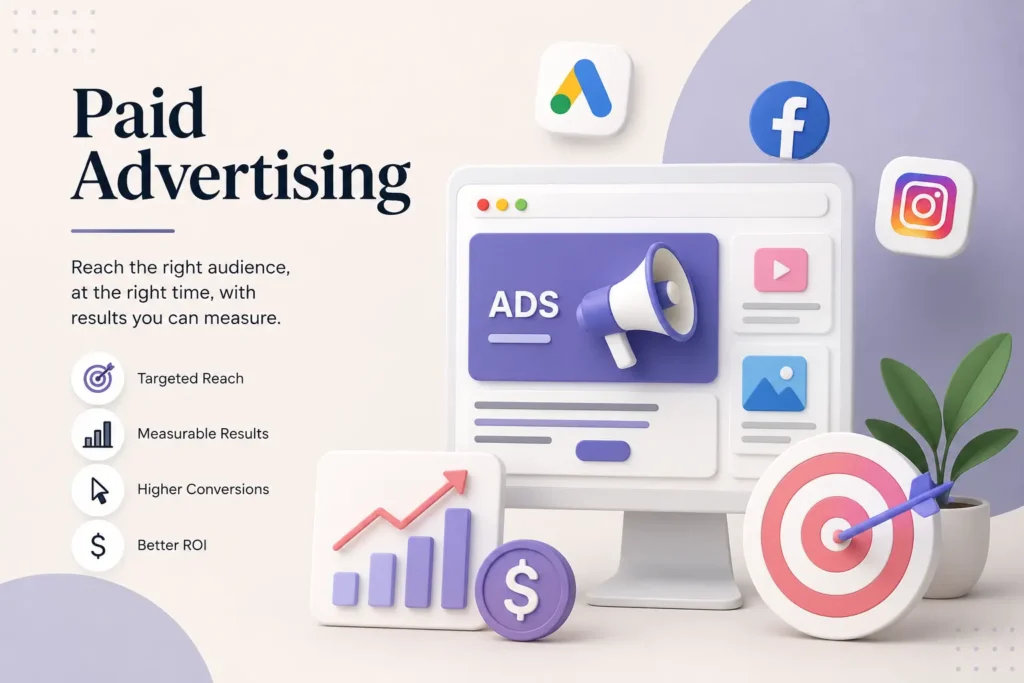
Paid advertising is the largest expense for most retailers because it delivers quick and measurable results. Whether online or offline, it helps brands reach the right audience at the right time and drive immediate sales.
Common channels include:
- Google Ads, Shopping Ads, and Display Ads
- Social media ads (Meta, TikTok)
- Influencer paid collaborations
- Offline ads like TV and billboards
Why it gets the most budget:
- Drives instant traffic and sales
- Campaigns can be scaled up or down easily
- Performance is easy to track and optimize
Example:
An e-commerce brand may allocate up to 60% of its marketing budget to paid ads during peak seasons like sales events or holidays to maximize visibility and revenue quickly.
2. Customer Acquisition Campaigns
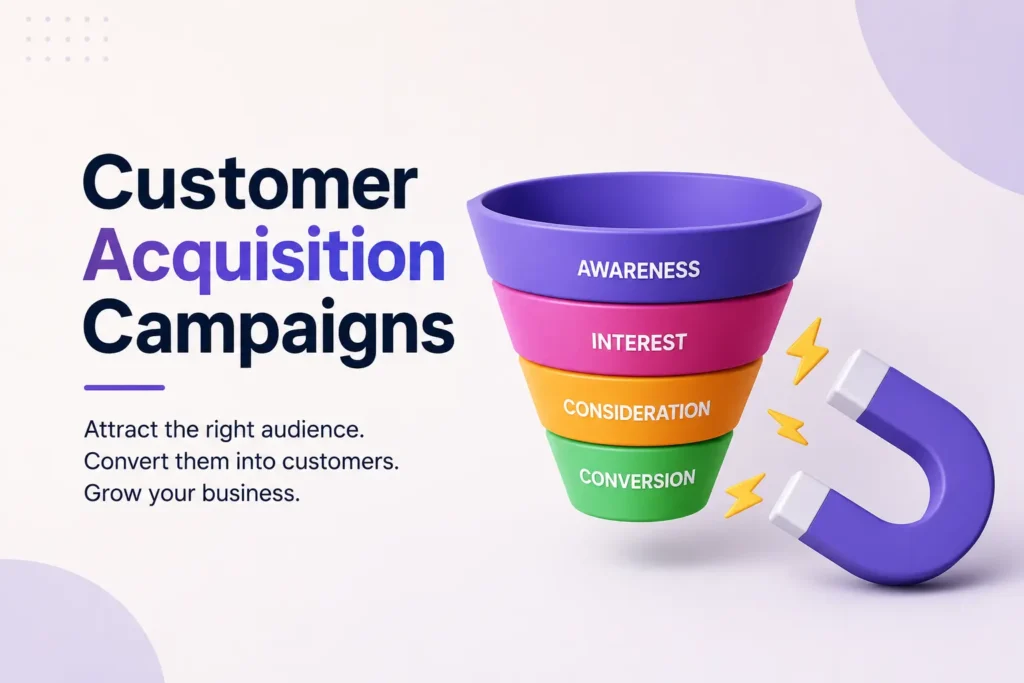
Customer acquisition campaigns focus on bringing in new buyers and expanding market reach. Retailers invest heavily here to keep a steady flow of fresh customers entering their sales funnel.
Common strategies include:
- Lead generation funnels (landing pages, email capture)
- Discount-based campaigns (first-time offers, coupons)
- Affiliate marketing partnerships
- Marketplace promotions (Amazon, Flipkart listings)
Key focus:
- Attracting first-time buyers
- Managing and optimizing cost per acquisition (CPA)
Why it takes a significant budget:
- Constant need to replace churned customers
- Competitive bidding increases acquisition costs
- Requires continuous testing and optimization
Example:
A retail brand may run aggressive first-time discount campaigns combined with paid traffic to quickly acquire new users, even if margins are lower initially, with the goal of recovering value through repeat purchases.
3. Omnichannel Marketing Strategy
Omnichannel marketing connects all customer touchpoints into one smooth experience. Retailers invest here to make sure customers get a consistent journey whether they shop online, on mobile, or in-store.
They also use tools like a Dynamic QR Code on product packaging, in-store displays, and printed promotions to seamlessly connect offline shoppers with digital experiences while tracking customer engagement and updating campaign destinations without reprinting materials.
Key components include:
- Website + mobile app integration
- In-store + online inventory and experience sync
- Email, SMS, and push notification coordination
- Unified customer data across all channels
Why it matters:
- Customers interact with brands across multiple touchpoints before buying
- A connected experience improves trust and conversions
- Reduces drop-offs between channels
Example:
A customer browses products on a mobile app, receives a reminder email, and completes the purchase in-store without any friction.
4. Customer Retention & Loyalty Programs
Customer retention focuses on keeping existing buyers engaged and turning them into repeat customers. Retailers invest in loyalty programs because repeat buyers drive steady revenue at a lower cost.
Common strategies include:
- Reward points and cashback systems
- Membership and VIP programs
- Email marketing automation (offers, reminders)
- Personalized deals based on past purchases
Stat angle:
- Retaining an existing customer can cost significantly less than acquiring a new one
- Loyal customers tend to spend more over time and have higher lifetime value
Why it matters:
- Builds long-term customer relationships
- Increases repeat purchases
- Improves overall profitability
Example:
A retail brand offers points on every purchase, administered through one of the best membership platforms, which customers can redeem later, encouraging them to come back and buy again.
5. Branding & Content Marketing
Branding and content marketing focus on building trust, visibility, and long-term growth. Unlike paid ads, these strategies don’t bring instant results but create a strong foundation that keeps bringing customers over time.
Key channels include:
- SEO blogs that rank on search engines
- Social media content for daily engagement
- Video marketing (short videos, product demos)
- Storytelling campaigns that connect with the audience
Long-term benefit:
- Builds brand trust and credibility
- Drives consistent organic traffic
- Reduces dependency on paid advertising over time
Example:
A retail brand publishes helpful blog posts and product guides that rank on search engines, bringing in steady traffic without ongoing ad spend.
Digital vs Traditional Marketing Spend in Retail
Retailers are steadily moving budgets from traditional channels to digital platforms as customer behavior shifts online. This change is driven by better tracking, higher flexibility, and stronger returns from digital campaigns.
Shift from offline to online:
- More budget going to search ads, social media, and marketplaces
- Reduced spending on print, radio, and billboards
- Growth of mobile-first and video-based marketing
ROI comparison:
- Digital marketing offers clear tracking (clicks, conversions, revenue)
- Easier to test and optimize campaigns in real time
- Traditional marketing builds awareness but is harder to measure
Where retailers are cutting costs:
- Print advertising (newspapers, magazines)
- Broad TV campaigns without targeted reach
- Generic offline promotions with low tracking ability
Key insight:
Retailers are not fully abandoning traditional marketing, but they are prioritizing digital channels where performance can be measured and improved quickly.
How Retail Marketing Budgets Have Changed Over Time
Retail marketing budgets have shifted significantly over the past few years, mainly driven by changes in customer behavior and advancements in digital platforms.
Pre-2020 vs post-2020 trends:
- Before 2020, retailers spent heavily on offline channels like TV, print, and in-store promotions
- After 2020, there was a sharp move toward digital channels such as search, social media, and e-commerce platforms
- Online shopping growth pushed brands to prioritize digital visibility and performance tracking
Rise of performance marketing:
- Retailers now focus more on results-driven campaigns (clicks, conversions, revenue)
- Budgets are allocated to channels that show clear ROI, like paid ads and retargeting
- Continuous testing and optimization have become standard practice
Growth of influencer marketing:
- Influencers have become a key part of retail promotion strategies
- Brands collaborate with creators to reach niche and engaged audiences
- Short-form video content (Reels, TikTok) has increased budget allocation in this area
Key insight:
Retailers are moving away from broad, awareness-only spending and focusing more on measurable, performance-based strategies that directly impact sales.
Case Study: How a Retail Brand Allocates Its Budget
To understand how these strategies work in practice, let’s look at a simple example of how a growing retail brand splits its annual marketing budget.
Example Budget Allocation
| Strategy | Budget Share |
|---|---|
| Paid Advertising | 40% |
| Customer Acquisition | 20% |
| Retention Programs | 15% |
| Omnichannel Marketing | 15% |
| Branding & Content | 10% |
How this works:
- 40% on paid ads to drive immediate traffic and sales, especially during peak seasons
- 20% on acquisition campaigns to bring in new customers through offers and funnels
- 15% on retention to increase repeat purchases and customer lifetime value
- 15% on omnichannel efforts to create a smooth experience across web, app, and store
- 10% on branding and content to build long-term trust and organic growth
Key takeaway:
This balanced approach helps the brand generate short-term revenue while also investing in long-term growth, reducing dependency on paid ads over time.
Common Mistakes Retailers Make When Spending Marketing Budget
Even with large budgets, many retailers fail to get strong returns because of poor allocation and planning. Avoiding these common mistakes can make a big difference in overall performance.
- Over-reliance on paid ads
Spending too much on ads can bring quick sales, but it increases costs over time. Without support from organic channels, growth becomes expensive and hard to sustain. - Ignoring retention
Focusing only on new customers while neglecting existing ones leads to lost revenue. Repeat buyers are easier and cheaper to convert. - Poor tracking of ROI
Not measuring campaign performance properly results in wasted budget. Retailers need clear data on what’s working and what’s not. - Lack of strategy
Running campaigns without a clear plan leads to scattered spending. A structured approach helps balance short-term gains with long-term growth.
Key insight:
Smart retailers don’t just spend more—they spend wisely by balancing acquisition, retention, and branding efforts.
How to Optimize Retail Marketing Budget for Better ROI
Optimizing your marketing budget is not about cutting costs—it’s about spending smarter. Retailers that track performance and adjust quickly get better returns from the same budget.
- Focus on high-performing channels
Identify which channels bring the most conversions and revenue. Shift more budget toward these and reduce spend on underperforming campaigns. - Use data analytics
Track key metrics like conversion rate, cost per acquisition, and customer lifetime value. Use this data to make informed decisions and improve targeting. - Invest in automation
Tools for email marketing, ad bidding, and customer segmentation help save time and improve efficiency. Automation also ensures consistent communication with customers. - Balance short-term vs long-term
Combine paid ads for immediate results with SEO and content for long-term growth. This balance reduces dependency on paid traffic over time.
Key insight:
Retailers that continuously test, measure, and optimize their strategies can achieve higher ROI without increasing their overall marketing spend.
People Also Ask (PAA Section)
What is the biggest marketing expense for retailers?
The biggest marketing expense for most retailers is paid advertising. This includes search ads, social media ads, and display campaigns. Retailers spend heavily here because it drives immediate traffic, supports sales campaigns, and offers clear performance tracking.
How much do retailers spend on advertising?
Retailers typically allocate around 25% to 40% of their total marketing budget to advertising. The exact amount depends on the business size, competition, and growth goals, but paid ads usually take the largest share due to their quick results.
Which marketing strategy gives the highest ROI in retail?
Customer retention and loyalty programs often deliver the highest ROI. Existing customers are more likely to buy again, spend more, and require less marketing effort compared to new customers, making retention highly cost-effective.
Why is customer acquisition so expensive?
Customer acquisition is expensive due to high competition and rising ad costs. Retailers need to invest in ads, discounts, and campaigns to attract new buyers. Increased bidding on platforms like Google and social media also drives up costs.
How do retailers reduce marketing costs?
Retailers reduce marketing costs by focusing on retention, improving targeting, and optimizing campaigns. Investing in SEO, content marketing, and automation also helps lower dependency on paid ads and improves long-term returns.
Checklist: Smart Retail Marketing Budget Planning
A clear plan helps retailers use their budget wisely and avoid wasted spend. Use this simple checklist to stay on track and improve results over time.
- Define goals (sales, traffic, retention)
Start with clear objectives. Decide whether your focus is on increasing sales, driving website traffic, or improving customer retention. - Allocate budget by channel
Distribute your budget across key channels like paid ads, SEO, email, and social media based on their performance and role in your strategy. - Track ROI weekly
Monitor key metrics such as conversions, revenue, and cost per acquisition. Regular tracking helps you catch issues early. - Optimize campaigns regularly
Test creatives, audiences, and offers. Shift budget toward what’s working and pause what’s not. - Invest in both paid and organic
Combine short-term paid campaigns with long-term strategies like content and SEO to build sustainable growth.
Quick tip:
Consistency in tracking and optimization is what separates average results from strong, scalable growth.
Conclusion
Retailers spend a large portion of their marketing budget on five key strategies: paid advertising, customer acquisition campaigns, omnichannel marketing, customer retention and loyalty programs, and branding with content marketing. Each of these plays a different role in driving growth.
The real success comes from maintaining a strong balance between acquiring new customers and retaining existing ones. Focusing only on acquisition increases costs, while retention helps improve long-term profitability.
Most importantly, smart retailers rely on data to guide their decisions. By tracking performance, testing strategies, and adjusting budgets regularly, they can get better results without increasing overall spend.