


Hiring a software developer can feel challenging, especially when businesses are unsure about the skills, experience, and technologies they should look for. Whether you want to build a website, mobile app, SaaS platform, or custom software solution, choosing the right developer plays a major role in the success of your project. A skilled software developer can improve software quality, increase performance, strengthen security, and help businesses grow through technology.
Many companies struggle during the hiring process because they do not know how to evaluate technical skills, where to find reliable developers, or how to balance cost with quality. Understanding how to hire a software developer helps businesses make smarter hiring decisions, avoid common mistakes, and build strong development teams that can deliver reliable and scalable software solutions.
In this guide, you will learn how to identify the right type of developer, evaluate technical and communication skills, compare freelance and full-time hiring options, manage development budgets, and find talented developers through trusted platforms and professional communities.
Why Hiring the Right Software Developer Matters

A software developer is responsible for much more than writing code. Developers help businesses solve technical problems, improve user experience, increase software performance, and maintain application security.
Hiring the wrong developer can lead to delayed projects, poor code quality, communication issues, and increased maintenance costs. On the other hand, hiring the right developer can improve productivity, support long-term growth, and help businesses launch successful digital products.
For businesses with unique requirements, investing in custom software development can provide tailored solutions that align with specific workflows, improve efficiency, and create a competitive advantage.
Benefits of Hiring the Right Developer
- Better software quality
- Improved user experience
- Faster project completion
- Stronger application security
- Scalable software architecture
- Reduced maintenance issues
- Better collaboration within teams
Define Your Project Requirements First
Before starting the hiring process, businesses should clearly define their project requirements and development goals. Understanding what type of software needs to be built makes it easier to hire developers with the right technical expertise.
Businesses should decide whether they need a website, mobile application, enterprise software, SaaS product, or ecommerce platform. Defining the project scope, timeline, budget, and required features helps streamline the hiring process and improves communication with candidates.
Important Things to Define Before Hiring
- Project type and goals
- Required features and functionality
- Preferred technologies and frameworks
- Budget and timeline
- Team size requirements
- Ongoing maintenance needs
Types of Software Developers
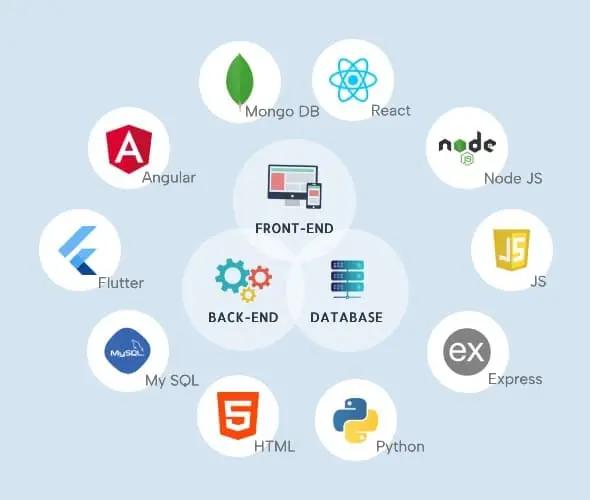
Software developers often specialize in different areas of development. Front-end developers focus on user interfaces and visual design using technologies like HTML, CSS, JavaScript, React, and Angular. Back-end developers handle databases, APIs, servers, and application logic using languages such as Python, Java, PHP, and Node.js.
Full-stack developers work on both front-end and back-end development, making them suitable for startups and smaller teams. Mobile app developers specialize in Android and iOS development, while DevOps engineers manage deployment systems, cloud infrastructure, and server optimization.
Some developers specialise even further by industry rather than by stack, teams building electrical design software, for instance, pair programming skill with domain knowledge of schematics, control panels, and circuit standards, which is the kind of specialist profile worth seeking out when your project sits in a technical vertical.”
Common Types of Developers
- Front-end developers
- Back-end developers
- Full-stack developers
- Mobile app developers
- DevOps engineers
- Cloud developers
- AI and machine learning developers
Skills to Look for in a Software Developer
Hiring a software developer requires evaluating both technical and soft skills. Technical expertise ensures the developer can build reliable applications, while soft skills improve communication, teamwork, and project collaboration. Businesses should look for developers who understand programming languages, databases, APIs, testing, debugging, cloud platforms, and security best practices. Strong communication and problem-solving abilities are equally important for successful software development projects.
Important Technical Skills
- Programming language expertise
- Database management
- API integration
- Version control systems like Git
- Software testing and debugging
- Cloud platform knowledge
- Security best practices
- System architecture understanding
Important Soft Skills
- Communication skills
- Team collaboration
- Time management
- Adaptability
- Critical thinking
- Attention to detail
- Problem-solving ability
Technical Assessments: Beyond the Resume

A resume alone cannot accurately measure a software developer’s real-world capabilities. Technical assessments help businesses evaluate how candidates solve problems, write code, debug applications, and approach development challenges. These assessments provide deeper insights into a candidate’s practical skills and technical thinking. Many companies use coding challenges, take-home assignments, pair programming sessions, and live coding interviews to assess candidates more effectively.
Benefits of Technical Assessments
- Measure real coding ability
- Evaluate problem-solving skills
- Test debugging capabilities
- Assess logical thinking
- Understand coding quality
- Identify practical experience
Common Assessment Methods
- Coding tests
- Live technical interviews
- Take-home projects
- Pair programming sessions
- System design interviews
- Real-world simulations
Screening Candidates: Skills and Communication Matter

Technical expertise alone is not enough when hiring software developers. Strong communication skills are essential because developers often work with designers, project managers, clients, and other team members. Businesses should evaluate how clearly candidates explain technical concepts, discuss project updates, and respond to challenges. Reviewing portfolios, code quality, past projects, and professional experience can also help identify developers with relevant expertise and strong development practices.
What to Evaluate During Screening
- Technical knowledge
- Communication ability
- Previous project experience
- Portfolio quality
- Team collaboration skills
- Problem-solving approach
- Adaptability and learning ability
Helpful Interview Questions
- What technologies do you specialize in?
- Have you worked on similar projects before?
- How do you handle project deadlines?
- How do you solve debugging issues?
- What tools do you use for collaboration?
- How do you ensure software security?
Where to Find the Right Talent: Platforms and Communities
Finding skilled software developers requires using the right hiring platforms and professional communities. Freelance platforms are suitable for short-term projects, while jobportalsand networking sites help businesses hire full-time developers.
You can also hire developers from a Reliable Software Development Company that provides access to experienced professionals with the technical expertise needed for specific projects andbusinessrequirements
For organizations building innovative technologies, including task mining software, developer communities and coding platforms can be valuable resources for identifying talented programmers with strong technical expertise.
Popular Hiring Platforms
1. Upwork: A popular freelance marketplace where businesses can hire developers for short-term, long-term, or project-based work. It offers access to developers with different skill levels and pricing options.
2. Fiverr: A freelance platform mainly used for small projects, quick tasks, and affordable development services. Businesses can hire developers based on fixed-price packages or custom offers.
3. Freelancer: A global freelancing website that allows businesses to post projects and receive bids from developers worldwide. It is suitable for both small and large software projects.
4. Toptal: A premium talent marketplace known for connecting businesses with highly experienced software developers, engineers, and technical experts through a strict screening process.
5. LinkedIn: A professional networking platform widely used for hiring full-time developers, building professional connections, and reviewing candidate experience and recommendations.
6. Indeed: One of the largest job portals where businesses can post software development jobs and connect with developers seeking full-time or remote opportunities.
7. Glassdoor: A job and company review platform that helps businesses hire developers while also allowing candidates to research company culture, salaries, and employee experiences.
Developer Communities
1. GitHub: A code hosting and collaboration platform where businesses can discover developers by reviewing their open-source projects, coding activity, and technical contributions.
2. Stack Overflow: A developer-focused question-and-answer platform where programmers share technical solutions and demonstrate expertise in various programming languages and technologies.
3. Dev to: An online community where developers publish technical articles, share coding experiences, and discuss software development trends and best practices.
4. Hacker News: A technology-focused online community popular among developers, startup founders, and software engineers who discuss programming, startups, and technology news.
5. Reddit Developer Communities: Developer-focused subreddits help businesses connect with programmers, discuss technology trends, and discover software development talent through community engagement.
Other Hiring Sources
1. Software Development Agencies: Software development agencies are a popular hiring source for businesses that need complete development support for large or complex projects. These agencies provide experienced teams that may include software developers, UI/UX designers, quality assurance testers, DevOps engineers, and project managers.
Agencies usually handle the entire software development process, from planning and design to deployment and maintenance. They are especially useful for companies that lack an in-house technical team or want faster project delivery.
Although agencies may cost more than freelancers, they often provide better project management, professional expertise, scalability, and ongoing technical support for long-term software development needs.
2. Tech Conferences and Events: Tech conferences, coding events, hackathons, and developer meetups are excellent places for businesses to connect with talented software developers and technology professionals.
Event organizers can also include a QR code for address on invitations, event pages, or badges to help attendees navigate directly to the venue.
These events allow companies to network directly with developers, learn about new technologies, and identify skilled candidates with strong technical knowledge.
Many developers attending these events are passionate about programming, innovation, and industry trends, making them valuable hiring opportunities. Businesses can also build brand awareness and attract top talent through sponsorships or participation in technical discussions. Hiring through tech events helps companies discover developers who are actively engaged in the software development community.
3. Employee Referrals: Employee referrals are one of the most trusted and effective ways to hire software developers. Existing employees often recommend developers they have previously worked with or know professionally, helping businesses find reliable and skilled candidates faster.
Referred candidates are usually more familiar with industry expectations and may adapt more quickly to company culture and workflows. Employee referral programs can also reduce hiring time and recruitment costs compared to traditional hiring methods.
Many businesses prefer referrals because they often lead to better-quality hires, stronger team collaboration, and improved employee retention within software development teams.
4. Coding Bootcamps: Coding bootcamps are training programs that teach practical programming and software development skills in a short period. These bootcamps focus on hands-on learning, real-world projects, and modern development technologies such as web development, mobile app development, and cloud computing.
Businesses often hire junior developers and entry-level programmers from coding bootcamps because they are trained in current industry tools and frameworks. Although bootcamp graduates may have less professional experience than senior developers, they can still bring strong technical foundations, adaptability, and enthusiasm to development teams. Bootcamps are especially useful for hiring affordable entry-level software talent.
5. University Recruitment Programs: University recruitment programs help businesses hire fresh graduates, interns, and entry-level software developers directly from colleges and universities. Many companies partner with educational institutions to identify talented students with strong programming, problem-solving, and technical skills.
Campus recruitment events, internship programs, and career fairs allow businesses to connect with young developers before they enter the job market. Hiring through universities can help companies build long-term talent pipelines and train developers according to company requirements.
Fresh graduates often bring updated technical knowledge, creativity, and willingness to learn new technologies, making them valuable additions to growing software development teams.
Budget Considerations: Balancing Cost and Quality
Budget is one of the most important factors when hiring software developers, but businesses should avoid focusing only on the lowest price. Choosing cheap development services may save money initially, but it can lead to poor software quality, security issues, delayed projects, and expensive maintenance costs later. Instead of only looking at cost, businesses should balance pricing with technical expertise, experience, communication skills, and long-term value.
A well-developed application performs better, provides a smoother user experience, and reduces future technical problems. Investing in skilled developers may require a higher upfront cost, but it often saves businesses time and money in the long run.
Factors That Affect Developer Costs
Several factors influence software developer pricing and overall project costs.
1. Experience Level: Experienced developers usually charge higher rates because they have stronger technical knowledge and problem-solving abilities. Junior developers are more affordable, while senior developers are better for complex and large-scale projects.
2. Technical Specialization: Developers skilled in advanced technologies such as Artificial Intelligence, Cloud Computing, Cybersecurity, Blockchain, and DevOps often charge more due to high market demand and specialized expertise.
3. Project Complexity: Simple websites or small applications cost less compared to enterprise software, SaaS platforms, or systems with advanced integrations, real-time features, and security requirements.
4. Developer Location: Developer pricing varies by region. Developers from North America and Europe may charge higher rates, while developers from Asia or Eastern Europe may offer more affordable pricing. Remote hiring allows businesses to access global talent based on their budget and requirements.
5. Hiring Model: Different hiring models affect overall costs.
- Freelancers are suitable for short-term or smaller projects
- Full-time developers are better for ongoing development
- Development agencies provide complete teams and project management support
6. Timeline Requirements: Projects with urgent deadlines may cost more because they often require larger teams, additional working hours, or faster development cycles.
Why Quality Matters More Than Low Cost
Focusing only on low pricing can create long-term problems for businesses. High-quality development improves software reliability, performance, security, and scalability.
1. Better Software Performance: Experienced developers build optimized applications that run smoothly, load faster, and provide a better user experience.
2. Fewer Bugs and Technical Issues: Skilled developers follow proper coding and testing practices, reducing software bugs, crashes, and maintenance problems.
3. Improved Security: Professional developers implement secure coding standards that help protect applications from cyber threats, data breaches, and security vulnerabilities.
4. Lower Long-Term Maintenance Costs: High-quality software usually requires fewer repairs and updates, helping businesses reduce future maintenance expenses.
5. Better Scalability: Experienced developers create scalable applications that can support future growth, additional users, and new features without major redevelopment.
6. Faster Project Delivery: Skilled developers often complete projects more efficiently because of their experience, better workflows, and technical expertise.
Freelance Developers vs Full-Time Developers

Businesses can hire freelance developers for short-term or project-based work, while full-time developers are more suitable for long-term projects and ongoing software maintenance. Freelancers are often more affordable and flexible, but full-time developers provide stronger collaboration and consistent support.
The trade-off with full-time hires is keeping them committed over the long term, beyond salary and standard employee benefits, some businesses use equity-style incentives from platforms like Reins to give key developers a stake in the company’s growth through phantom equity and profit sharing, without giving up actual ownership.
Comparison Factor | Freelance Developers | Full-Time Developers |
Work Type | Best for short-term, temporary, or project-based work | Best for long-term projects and ongoing development |
Cost | Lower upfront costs and flexible pricing | Higher recruitment and operational costs |
Hiring Flexibility | Easy to hire for specific tasks or limited-duration projects | Less flexible but provides long-term stability |
Onboarding Speed | Faster onboarding and quicker project start | Longer hiring and onboarding process |
Availability | May work with multiple clients and have limited availability | Dedicated to the company and project full-time |
Team Collaboration | Collaboration may vary depending on communication and availability | Stronger collaboration with internal teams |
Project Commitment | Usually focused on short-term deliverables | More committed to long-term company goals |
Product Understanding | May require time to understand the project deeply | Better understanding of products and business processes over time |
Communication | Communication challenges can occur, especially with remote freelancers | More consistent communication and regular meetings |
Maintenance & Support | Limited long-term maintenance support | Continuous maintenance and long-term support available |
Best For | Small businesses, startups, short-term tasks, and limited budgets | Large businesses, enterprise projects, and ongoing software development |
Main Advantages | Flexible hiring, affordable pricing, faster project start | Better integration, stability, and long-term collaboration |
Main Disadvantages | Limited commitment, inconsistent availability, communication gaps | Higher costs, employee benefits, and longer hiring process |
Importance of Remote Software Developers
Remote software development has become increasingly popular because businesses can hire talented developers from around the world. Remote hiring allows companies to access global expertise, reduce operational costs, and scale development teams more efficiently.
Platforms that help businesses Hire Remote Developers often provide vetted talent pools, time-zone overlap for collaboration, and flexible engagement models that scale with project demands.
That kind of distributed talent access is exactly what IT outsourcing firms specialize in, with the strongest providers offering vetted developers, time-zone overlap, and a delivery model that scales up or down with project demand.
However, businesses must establish strong communication systems and project management processes for successful remote collaboration.
Benefits of Hiring Remote Developers
- Access to global talent
- Lower operational costs
- Flexible work schedules
- Faster team scaling
- Wider skill availability
Challenges of Remote Hiring
- Communication gaps
- Time zone differences
- Project coordination issues
- Team collaboration challenges
Red Flags to Avoid When Hiring
Businesses should watch for warning signs during the hiring process. Developers who cannot explain technical concepts clearly, avoid coding assessments, miss deadlines during interviews, or lack professional portfolios may create problems later. Identifying these issues early can help companies avoid expensive hiring mistakes.
Common Hiring Red Flags
- Poor communication skills
- No portfolio or references
- Unrealistic promises
- Avoiding technical tests
- Missed interview deadlines
- Lack of teamwork experience
Best Practices for Hiring Software Developers
Successful hiring requires a structured and organized process. Businesses should clearly define project goals, create detailed job descriptions, conduct technical evaluations, and assess communication skills. Starting with a small trial project can also help companies evaluate a developer’s working style before committing to long-term collaboration.
Best Hiring Practices
- Define project requirements clearly
- Write detailed job descriptions
- Conduct technical assessments
- Evaluate communication skills
- Check portfolios and references
- Start with trial projects if possible
- Set clear expectations and timelines
Conclusion
Understanding how to hire a software developer is essential for businesses building digital products and software solutions. Hiring the right developer involves more than reviewing resumes. Businesses must evaluate technical expertise, communication skills, problem-solving ability, and project compatibility. By using proper technical assessments, screening candidates carefully, choosing the right hiring platforms, and balancing budget with quality, companies can build strong software development teams capable of delivering reliable and scalable applications.
Frequently Asked Questions (FAQs)
1. What should I look for when hiring a software developer?
You should evaluate technical skills, communication ability, problem-solving skills, project experience, and knowledge of relevant technologies. Reviewing portfolios and conducting technical assessments also helps identify the right candidate.
2. Should I hire a freelance developer or a full-time developer?
Freelance developers are ideal for short-term or small projects, while full-time developers are better for long-term development, ongoing maintenance, and team collaboration.
3. How much does it cost to hire a software developer?
The cost depends on factors such as experience level, project complexity, developer location, technical specialization, and hiring model. Senior developers and specialized experts usually charge higher rates.
4. Where can I find skilled software developers?
Businesses can hire developers through platforms like Upwork, LinkedIn, and Toptal, as well as developer communities like GitHub and Stack Overflow.
5. Why are technical assessments important during hiring?
Technical assessments help businesses evaluate a developer’s real coding ability, problem-solving skills, debugging knowledge, and practical experience beyond what is written on a resume.
6. Is remote hiring good for software development projects?
Yes, remote hiring allows businesses to access global talent, reduce operational costs, and scale teams faster. However, proper communication and project management are important for successful remote collaboration.