

Startups today use dozens of tools to handle marketing, sales, communication, customer support, analytics, and day-to-day operations. The term Growth Navigate Startup Tools refers to software that helps startups move through different growth stages with less manual work and better decision-making. These tools can help attract customers, track performance, manage teams, automate repetitive tasks, and scale operations without creating extra workload.
Many startups make the mistake of signing up for every trending platform they discover. More tools do not always mean better growth. Too many disconnected apps can create confusion, increase costs, slow teams down, and make data harder to manage. Instead of solving problems, a crowded tech stack often creates new ones.
This guide focuses only on startup tools that bring real business value. Rather than listing software with overlapping features, this article covers practical tools that teams actively use to grow faster and work smarter. You’ll find recommendations across important categories such as growth tools, CRM platforms, automation software, analytics solutions, productivity apps, and AI tools so you can build a startup stack that supports long-term growth.
Quick List: Best Growth Navigate Startup Tools at a Glance
If you want the fastest answer, start here. The table below gives a quick overview of the best Growth Navigate Startup Tools based on use case, availability of free plans, and the startup stage where they provide the most value.
| Tool | Best For | Free Plan | Startup Stage |
|---|---|---|---|
| HubSpot | CRM and lead tracking | Yes | Early-stage |
| Notion | Team workspace and documentation | Yes | All stages |
| Slack | Team communication | Yes | All stages |
| Ahrefs | SEO growth and keyword research | Limited | Growth stage |
| Zapier | Workflow automation | Yes | Seed to scale |
| Google Analytics 4 | Website traffic tracking | Yes | All stages |
| Amplitude | Product analytics | Yes | SaaS startups |
| Trello | Project management | Yes | Early-stage |
| Canva | Design and branding | Yes | All stages |
| Mailchimp | Email marketing | Yes | Early-stage |
| Jasper | AI content writing | Trial | Marketing teams |
| Mixpanel | User behavior analytics | Yes | Product startups |
| Asana | Team and task management | Yes | Scaling teams |
| Stripe | Payments and subscriptions | No | SaaS and ecommerce |
| Calendly | Meeting scheduling | Yes | Service startups |
The best startup stack is not the one with the largest number of tools. It is the one that solves real business problems. A small startup may only need a CRM, communication tool like a cloud telephony system, analytics platform, and automation software in the beginning.
As the business grows, more specialized tools such as small business payroll software can be added based on actual needs.
How We Selected These Growth Navigate Startup Tools
Not every startup tool deserves a place in your tech stack. Many platforms offer similar features, but only a few deliver real results without creating extra complexity. We selected these Growth Navigate Startup Tools based on practical value, ease of adoption, growth potential, and how well they support startup teams at different stages.
Research around startup software selection consistently highlights usability, scalability, and integration as key decision factors. Startups that are also building a dedicated recruiting function can use hiring software such as Recruit CRM to organize candidates, manage recruitment workflows, and keep hiring activities in one place.
Easy to Use
Startups move fast and often operate with small teams. Complicated tools with steep learning curves can slow productivity and delay adoption. We prioritized platforms with simple dashboards, clean interfaces, and minimal setup requirements so teams can start using them quickly. Easy-to-use and low-code solutions often deliver faster returns because teams spend less time learning and more time executing.
Startup-Friendly Pricing
Budget matters, especially for early-stage companies. Most tools on this list provide free plans, affordable entry options, or flexible pricing that works for startups before large-scale expansion. Many startup resources recommend using free tiers early and avoiding unnecessary software costs until growth demands upgrades.
Scales With Business Growth
The right tool should work for your startup today and continue supporting you as your customer base grows. Switching platforms every few months can create migration costs and operational delays. We focused on tools that can support startups from early stages through scaling without requiring major changes.
Integrations With Other Tools
Disconnected apps often create data silos and workflow issues. Strong integrations help startups connect CRM platforms, analytics software, communication tools, and automation systems into one smooth workflow. Startup software experts regularly recommend tools that support native integrations and centralized data management.
Real Impact on Growth Metrics
Tools should contribute to measurable results rather than add extra software to manage. We selected platforms that help improve key startup metrics such as lead generation, customer retention, traffic growth, workflow efficiency, and team productivity. Startups looking to expand their outbound sales efforts can also hire cold caller support to connect with potential customers and generate new business opportunities.
Analytics and CRM platforms are especially important because they provide the data needed for better decisions and long-term growth. Using the best free form builder allows startups to create lead capture forms quickly, making it easier to collect customer information and support sustainable growth.
16 Best Growth Navigate Startup Tools You Should Use
Choosing the right startup tools can save time, reduce manual work, and help teams grow without adding unnecessary complexity. Below are some of the most useful Growth Navigate Startup Tools used by startups across different stages.
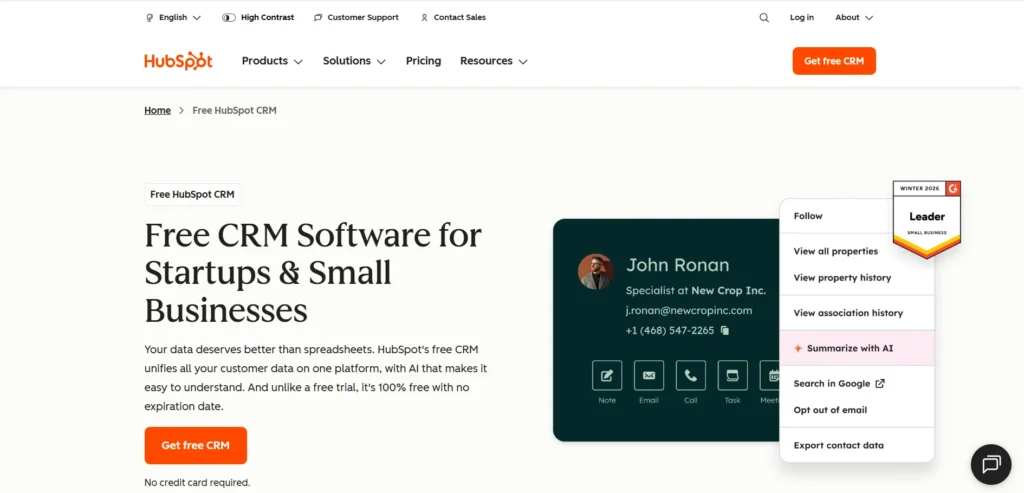
#1 HubSpot – Best CRM Tool for Startup Growth
Best for:
Lead management, customer relationships, and sales tracking
Key features:
- Contact management
- Email automation
- Pipeline tracking
- Marketing dashboards
- Lead capture forms
Pros
- Free CRM available
- Easy setup process
- Multiple tools in one platform
Cons
- Premium plans become expensive
- Advanced features require upgrades
Pricing: Free plan available; paid plans start with higher-tier options.
Why startups use it
Startups use HubSpot because it combines sales, marketing, and CRM features in one place. It helps teams organize leads without needing multiple platforms.
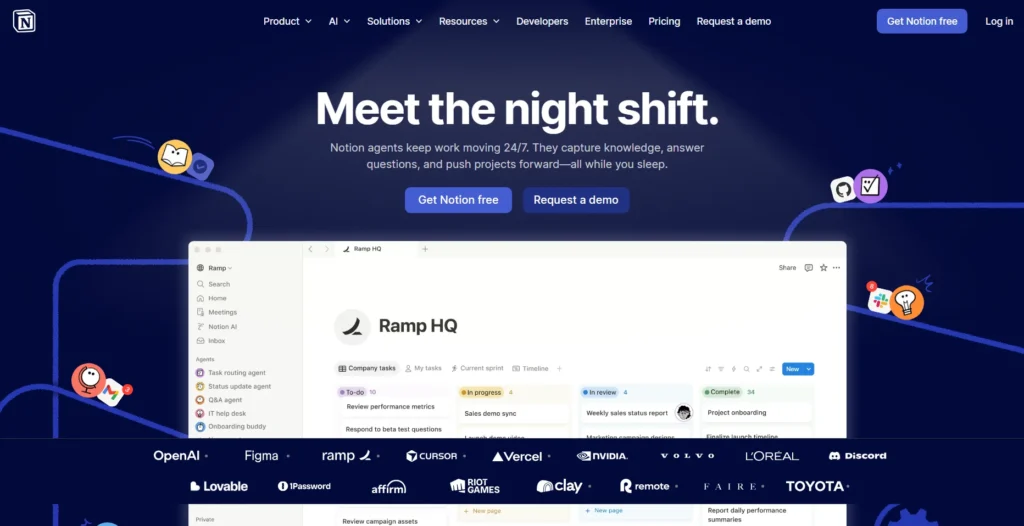
#2 Notion – Best Startup Workspace Tool
Best for:
Documentation, collaboration, and team organization
Key features:
- Team wiki
- Notes and documents
- Project tracking
- Templates
- Task management
Pros
- Flexible workspace
- Free plan for small teams
- Simple collaboration tools
Cons
- Can become messy without structure
- Advanced setups take time
Pricing: Free plan available.
Why startups use it
Teams use Notion to keep documents, project notes, and processes in one place instead of spreading information across different apps.
#3 Slack – Best Team Communication Tool
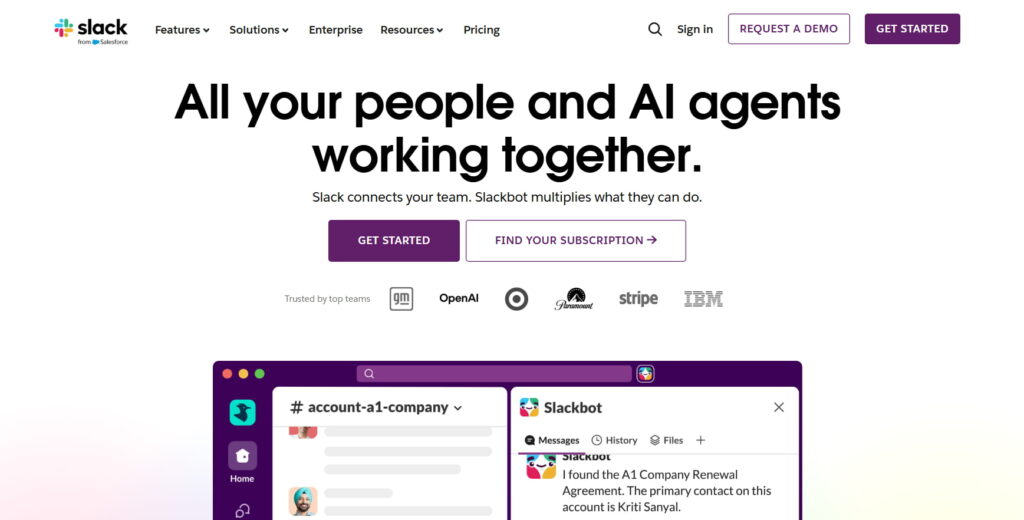
Best for:
Internal communication and collaboration
Key features:
- Team channels
- Direct messaging
- File sharing
- Voice and video calls
- App integrations
Pros
- Fast communication
- Large integration library
- User-friendly interface
Cons
- Notifications can become overwhelming
- Message history limits on free plans
Pricing: Free plan available.
Why startups use it
Slack helps startups reduce long email threads and keeps conversations organized by teams and projects.
#4 Ahrefs – Best SEO Growth Tool
Best for:
Organic traffic growth and keyword research
Key features:
- Keyword research
- Backlink analysis
- Competitor tracking
- Site audits
- Rank monitoring
Pros
- Strong SEO data
- Detailed competitor insights
- Helpful for content strategy
Cons
- Limited free access
- Can be costly for small teams
Pricing: Limited free tools available with paid plans.
Why startups use it
Ahrefs helps startups discover content opportunities and improve search visibility without relying entirely on paid advertising.
#5 Zapier – Best Automation Tool
Best for:
Connecting apps and automating workflows
Key features:
- Workflow automation
- App integrations
- Trigger-based actions
- No-code setup
Pros
- Saves manual work
- Supports thousands of apps
- Easy automation setup
Cons
- Complex workflows require paid plans
- Costs increase with task volume
Pricing: Free plan available.
Why startups use it
Startups use Zapier to automate repetitive tasks such as sending lead data, updating spreadsheets, and syncing software. However, as teams grow and automation needs become more complex, businesses should also explore Zapier alternatives that offer different pricing models, advanced workflow features, or specialized integrations.
#6 Google Analytics 4 – Best Traffic Analytics Tool
Best for:
Tracking website traffic, user behavior, and marketing performance
Key features:
- Traffic source reporting
- Event-based tracking
- User acquisition reports
- Conversion tracking
- Cross-platform analytics
Pros
- Completely free to use
- Tracks website and app data together
- Deep reporting and insights
- Integrates with Google products
Cons
- Learning curve for beginners
- Event setup can feel confusing initially
Pricing: Free. Enterprise users can upgrade to Google Analytics 360.
Why startups use it
Google Analytics 4 helps startups understand where visitors come from, how users behave, and which channels generate results. Unlike older session-based tracking systems, GA4 uses an event-based model and supports website and app tracking in one platform. It also provides traffic acquisition reports and customer journey insights that help teams make better growth decisions.
#7 Magic Hour – Best AI Lip Sync Tool
Best for:
Creating realistic talking videos, multilingual content, marketing campaigns, and social media videos with natural speech synchronization.
Key features:
- AI-powered lip sync with realistic mouth movements
- Natural facial expression and speech synchronization
- Supports voiceovers and multilingual video localization
- Browser-based workflow with no editing software required
- Includes face swap, image-to-video, AI talking photos, and AI video generation
Pros
- Produces realistic lip synchronization with minimal effort
- Beginner-friendly interface
- Free plan available
- Fast cloud-based video processing
- All-in-one AI creative platform
Cons
- Best results require high-quality source videos and audio
- Advanced features and higher AI credits require paid plans
- Less suitable for complex timeline-based video editing
Pricing: Free plan available. Paid plans start at $15/month (or $10/month billed annually), with Pro and Business plans offering additional AI credits and advanced features.
Why startups use it
Magic Hour helps startups create professional talking videos without hiring video editors or animation teams. Businesses use it for product demos, social media content, multilingual marketing, customer education, and promotional campaigns. Its browser-based workflow and AI automation make it easy to produce high-quality videos quickly while keeping production costs low.
#8 Amplitude – Best Product Analytics Tool
Best for:
Understanding user behavior, feature usage, and product performance
Key features:
- Event tracking
- Funnel analysis
- Retention tracking
- User journey insights
- Behavioral segmentation
Pros
- Deep product analytics capabilities
- Strong user behavior reporting
- Free plan available for startups
- Helps improve retention and product decisions
Cons
- Learning curve for beginners
- Advanced configurations can take time
- May feel complex for small teams initially
Pricing: Free plan available; paid plans scale based on usage and features.
Why startups use it
Amplitude helps startups understand what users actually do inside a product rather than only showing traffic numbers. Teams can track feature adoption, identify where users drop off, analyze customer journeys, and improve retention using event-based analytics. It is especially valuable for SaaS and product-led startups trying to optimize onboarding and engagement.
#9 Mailchimp – Best Email Marketing Tool
Best for:
Email campaigns, audience building, and customer engagement
Key features:
- Email campaign builder
- Marketing automation
- Audience segmentation
- Landing pages and signup forms
- Campaign analytics and reporting
Pros
- Beginner-friendly interface
- Free plan available
- Strong template library
- Works with many third-party tools
Cons
- Pricing increases as contact lists grow
- Advanced automation requires paid plans
- Some features are limited on free tiers
Pricing: Free plan available. Paid plans typically start around entry-level monthly pricing and scale based on contacts and features.
Why startups use it
Mailchimp helps startups build and manage email marketing without needing a large marketing team. Teams can create newsletters, automate follow-ups, segment users, and track campaign performance from one platform.
Its built-in templates and automation features make it useful for early-stage companies looking to grow leads and customer relationships. Mailchimp also supports integrations with ecommerce and business tools, reducing the need for separate marketing systems.
#10 Jasper – Best AI Writing Tool
Best for:
AI-powered content creation, marketing copy, and content workflow support
Key features:
- AI content generation
- Blog and article writing
- Marketing copy templates
- Brand voice customization
- AI-assisted campaign creation
Pros
- Speeds up content production
- Supports multiple content formats
- Helpful for marketing teams
- Brand voice tools improve consistency
Cons
- Free plan is not available
- Requires editing and fact-checking
- Costs can increase for growing teams
Pricing: Trial available with paid subscription plans after the trial period.
Why startups use it
Jasper helps startups create content faster without building a large content team. Marketing teams use it for blog drafts, landing page copy, email campaigns, ad text, and social media content. For startups trying to grow through content marketing, Jasper can reduce writing time and help maintain consistent messaging across channels. AI writing tools are especially useful for early-stage teams with limited resources and multiple content needs.
#11 Canva – Best Startup Design Tool
Best for:
Creating marketing visuals, presentations, social media graphics, and brand materials
Key features:
- Drag-and-drop design editor
- Thousands of templates
- Brand kit tools
- Presentation creator
- AI-powered design features
Pros
- Beginner-friendly interface
- Free plan available
- Large template library
- No design experience required
Cons
- Some premium templates require upgrades
- Advanced editing features are limited compared to professional design software
Pricing: Free plan available; premium plans unlock advanced templates and brand features.
Why startups use it
Canva helps startups create professional-looking designs without hiring a full-time designer. Teams use it for social media posts, presentations, pitch decks, blog graphics, ads, and marketing materials. Since startups often work with small budgets and limited design resources, Canva offers a fast way to build visual content while keeping branding consistent across channels.
#12 Asana – Best Project Management Tool
Best for:
Managing projects, assigning tasks, and organizing team workflows
Key features:
- Task and project management
- Timeline and calendar views
- Team collaboration tools
- Workflow automation
- Progress tracking dashboards
Pros
- Clean and user-friendly interface
- Free plan available for small teams
- Multiple project views
- Strong collaboration features
Cons
- Advanced reporting requires paid plans
- Can feel overwhelming for new users with large projects
Pricing: Free plan available; paid plans unlock advanced workflow and management features.
Why startups use it
Asana helps startups keep projects organized as teams begin to grow. Instead of managing work through spreadsheets or scattered messages, teams can assign tasks, set deadlines, track progress, and improve accountability from one place. It is especially useful for scaling startups that need a structured workflow without adding unnecessary complexity.
#13 Trello – Best Lightweight Workflow Tool
Best for:
Managing simple projects, workflows, and team task organization
Key features:
- Kanban-style boards
- Drag-and-drop task cards
- Task assignments
- Due dates and checklists
- Workflow automation with Butler
Pros
- Very easy to learn and use
- Free plan available
- Visual task management system
- Works well for small teams
Cons
- Limited advanced reporting features
- Large projects can become difficult to manage
- Fewer built-in features compared to enterprise project tools
Pricing: Free plan available; paid plans add advanced views, automation, and administration features.
Why startups use it
Trello helps startups organize work without the complexity of larger project management systems. Teams can track tasks, content calendars, product updates, and internal workflows using a simple board structure. Early-stage startups often prefer Trello because it requires little setup time and gives teams a visual way to monitor progress while keeping projects organized. While not a dedicated PMP tool, Trello supports PMP workflows with flexible task tracking.
#14 Mixpanel – Best User Journey Analytics Tool
Best for:
Tracking user behavior, customer journeys, and product engagement
Key features:
- User journey tracking
- Funnel analysis
- Event tracking
- Retention reports
- User segmentation
Pros
- Strong behavioral analytics features
- Free plan available
- Detailed user insights
- Helpful for product optimization
Cons
- Setup may require technical knowledge
- Advanced reporting can take time to learn
- Can feel complex for very small teams
Pricing: Free plan available; paid plans scale based on usage and analytics requirements.
Why startups use it
Mixpanel helps startups understand how users interact with products after they sign up. Instead of only showing traffic numbers, it tracks actions users take inside websites and apps. Teams can monitor customer journeys, identify drop-off points, measure feature adoption, and improve user retention. Product-led startups often use Mixpanel to make data-driven decisions and improve the user experience through behavioral insights.
#15 Stripe – Best Startup Payment Platform
Best for:
Online payments, subscriptions, and recurring billing for startups
Key features:
- Global payment processing
- Subscription billing
- Payment APIs
- Fraud prevention tools
- Multi-currency support
Pros
- No setup or monthly fees
- Developer-friendly platform
- Supports recurring payments
- Scales well for growing businesses
Cons
- Transaction fees apply to every payment
- Custom implementation may require technical knowledge
- Some advanced billing tools add extra costs
Pricing: Stripe follows a pay-as-you-go model with standard pricing starting around 2.9% + 30¢ per successful domestic card transaction and no setup fees.
Why startups use it
Stripe helps startups accept payments quickly without building custom payment infrastructure from scratch. Teams can process online payments, manage subscriptions, support global customers, and handle recurring billing from one platform. It also supports more than 100 payment methods and flexible payment models, making it useful for SaaS companies and fast-growing digital businesses.
#16 Calendly – Best Meeting Automation Tool
Best for:
Scheduling meetings, automating bookings, and reducing back-and-forth communication
Key features:
- Automated meeting scheduling
- Calendar synchronization
- Meeting reminders and follow-ups
- Team scheduling options
- CRM and workflow integrations
Pros
- Free plan available
- Very easy to set up
- Supports Google, Outlook, and video tools
- Reduces scheduling time significantly
Cons
- Free version has feature limitations
- Team scheduling tools require paid plans
- Advanced workflows are locked behind upgrades
Pricing: Calendly offers a free plan for personal use. Paid plans start around $10 per seat/month annually for advanced scheduling features and integrations.
Why startups use it
Calendly helps startups eliminate endless email chains for finding meeting times. Teams can share booking links, automate reminders, sync calendars, and connect scheduling with CRM and automation platforms. It supports integrations with tools like HubSpot, Zapier, Stripe, and video conferencing platforms, making it useful for sales calls, customer onboarding, interviews, and client meetings.
Which Growth Navigate Startup Tools Should You Use by Startup Stage?
The tools a startup needs will change as the business grows. Early-stage startups usually focus on organization and communication, while growing companies need stronger automation, analytics, and workflow systems. Instead of adding every available platform, build a tool stack based on your current stage and business needs.
Pre-Seed Startup Stack
At the pre-seed stage, startups usually work with small teams, limited budgets, and fast-moving ideas. The focus should be on collaboration, basic marketing assets, communication, and traffic tracking.
Recommended tools:
- Notion – Organize notes, plans, SOPs, and internal documentation
- Canva – Create pitch decks, social media graphics, and branding materials
- Google Analytics 4 – Track website visitors and traffic sources
- Slack – Keep team communication organized
Why this stack works:
These tools cover core business needs without adding unnecessary complexity or software costs.
Seed Stage Startup Stack
At the seed stage, startups begin attracting users and building repeatable processes. Customer acquisition, marketing workflows, and lead tracking become more important.
Recommended tools:
- HubSpot – Manage leads and customer relationships
- Zapier – Automate repetitive tasks between apps
- Mailchimp – Build email campaigns and nurture leads
- Ahrefs – Improve SEO and grow organic traffic
Why this stack works:
This combination helps startups create growth systems while reducing manual work.
Growth Stage Startup Stack
Once startups begin scaling, understanding user behavior and managing larger teams becomes a priority. Growth-stage companies need deeper insights and stronger team coordination.
Recommended tools:
- Amplitude – Analyze feature usage and customer behavior
- Mixpanel – Track customer journeys and retention patterns
- Asana – Manage projects and team workflows
- Jasper – Speed up content production and marketing efforts
Why this stack works:
These tools support data-driven decisions, team expansion, and scalable marketing processes without slowing growth.
Common Mistakes Startups Make When Choosing Tools
Choosing the right software can help startups grow faster, but choosing the wrong stack can create confusion, increase costs, and slow operations. Many startups adopt tools too quickly without thinking about long-term use. Below are some of the most common mistakes teams make when building their startup tool stack.
Using Too Many Tools
One of the biggest mistakes startups make is adding a new tool for every small problem. More software does not automatically improve productivity. Too many apps create scattered workflows, duplicate information, and unnecessary complexity. Start with a few core tools and expand only when there is a clear need.
Paying Too Early
Many startups upgrade to premium plans before fully using free versions. Paid plans often include advanced features that early-stage teams may not need immediately. Begin with free or lower-cost plans and upgrade when usage, team size, or business requirements justify the expense.
Ignoring Integrations
Tools should work together, not operate separately. If platforms cannot share data, teams often end up doing manual work across systems. Before choosing software, check whether it integrates with your CRM, analytics tools, communication apps, and automation platforms.
Overlapping Software
Startups sometimes buy multiple tools that solve the same problem. For example, using several project management or communication apps at once creates confusion and wastes budget. Select one primary tool for each major function and avoid feature overlap whenever possible.
Choosing Based on Trends
A popular tool is not always the right tool. Many startups follow recommendations simply because a platform is trending online or widely discussed. Instead of choosing based on hype, focus on business goals, team requirements, ease of use, and practical value. The best startup tool is the one that solves your actual problem.
Free vs Paid Growth Navigate Startup Tools
One of the biggest decisions startups face is whether to stay with free software or invest in paid plans. Free tools are often enough in the early stages, especially when teams are small and budgets are limited. As startups grow, paid plans become useful because they provide stronger automation, advanced reporting, larger usage limits, and better support.
The right choice depends on your startup stage, team size, and business goals. Many successful startups begin with free tools and upgrade only when growth creates new requirements.
| Feature | Free Tools | Paid Tools |
|---|---|---|
| Cost | Low or no upfront cost | Higher monthly or yearly expense |
| Automation | Basic workflows and limited features | Advanced automation and custom workflows |
| Support | Community help and standard documentation | Faster support and priority assistance |
| Scalability | Suitable for small teams | Built for growing and larger businesses |
Free plans work well for tasks like communication, simple project management, basic analytics, and early marketing efforts. Examples include Slack, Notion, Google Analytics 4, and Canva free plans.
Paid tools become more valuable when startups need:
- Advanced reporting and analytics
- Larger user limits
- Team permissions and controls
- Complex workflow automation
- CRM customization
- Priority customer support
The goal is not to upgrade quickly. The goal is to move to paid tools only when they solve a real business need and provide measurable value.
How to Build a Startup Tool Stack in 5 Steps
Building a startup tool stack is not about collecting as many apps as possible. The goal is to create a system that supports growth, improves productivity, and keeps operations simple. A well-planned stack helps teams avoid extra costs and unnecessary complexity.
Follow these five steps to build a startup tool stack that works for your current stage and future growth.
Step 1: Define Goals
Start by identifying what your startup needs right now. Your goals may include generating leads, improving communication, tracking website traffic, increasing productivity, or automating repetitive work.
Ask questions such as:
- What problem are we trying to solve?
- Which areas slow down the team?
- What tasks take too much manual effort?
- Which business metrics matter most?
Clear goals prevent unnecessary software purchases.
Step 2: Pick One Tool per Function
Avoid adding multiple platforms that perform similar jobs. Using several project management tools, communication apps, or CRMs often creates confusion and duplicate work.
Using strategic planning software can also help teams centralize their priorities and avoid unnecessary overlap between different tools and workflows.
Examples:
- Communication → Slack
- CRM → HubSpot
- Analytics → Google Analytics 4
- Design → Canva
- Automation → Zapier
Start simple and keep your workflow focused.
Step 3: Connect Tools
Software works better when systems share information. Integrating tools reduces manual data entry and creates smoother workflows.
Examples:
- Connect HubSpot with Mailchimp
- Sync Calendly with Google Calendar
- Connect Zapier with CRM and marketing tools
- Link analytics with reporting platforms
Integrated tools help teams save time and avoid data silos.
Step 4: Track KPIs
After implementing tools, measure whether they actually improve results. Software should support business growth, not just add another dashboard.
Common startup KPIs include:
- Website traffic
- Customer acquisition cost
- Lead conversion rate
- Email open rates
- Retention rate
- Revenue growth
Tracking performance helps identify what is working and what needs adjustment.
Step 5: Remove Unused Tools
Startups often keep software subscriptions they no longer use. Over time this creates unnecessary costs and software clutter.
Review your tool stack regularly and ask:
- Is the team actively using this tool?
- Does it solve a real problem?
- Can another tool already handle this function?
Removing unused software keeps operations simple and protects budgets while maintaining an efficient startup stack.
Frequently Asked Questions
1. What are Growth Navigate Startup Tools?
Growth Navigate Startup Tools are software platforms that help startups manage and scale different parts of their business. These tools support activities such as customer relationship management, automation, analytics, communication, marketing, productivity, and AI-driven workflows. Their purpose is to help startups grow efficiently while reducing manual work.
2. Which startup tools are best for beginners?
Beginners should start with tools that are easy to use and offer free plans. Some good options include:
- Notion for documentation and organization
- Slack for team communication
- Canva for design and branding
- Google Analytics 4 for website tracking
- HubSpot for CRM and lead management
These tools cover core startup needs without requiring a large budget or technical setup. As teams grow, lead routing software becomes important for automatically assigning incoming leads to the right sales rep based on rules like region, availability, or deal size, helping ensure faster response times and better conversion rates.
3. Are free startup tools enough?
Yes, free startup tools are often enough during the early stages. Many platforms provide free plans with features that support communication, analytics, project management, and marketing. As teams grow and operations become more complex, startups may need paid plans for automation, reporting, larger limits, and advanced functionality.
4. How many tools should a startup use?
There is no fixed number, but most startups should start with a small and focused stack. Instead of adding tools for every task, use one tool for each major function.
A simple startup stack may include:
- One communication tool
- One CRM
- One analytics platform
- One automation tool
- One project management system
Too many tools can create confusion and increase costs.
5. Which startup tools help growth the most?
The most useful growth tools depend on business goals, but startups often see strong value from:
- HubSpot for lead and customer management
- Ahrefs for SEO and organic growth
- Zapier for automation
- Google Analytics 4 for traffic insights
- Mailchimp for email marketing
- Amplitude and Mixpanel for user analytics
These tools help improve customer acquisition, workflow efficiency, and data-driven decision-making.
6. What tools do SaaS startups use?
SaaS startups typically rely on a combination of analytics, CRM, communication, and automation tools.
Common SaaS startup tools include:
- HubSpot for CRM
- Slack for communication
- Stripe for subscription payments
- Amplitude for product analytics
- Mixpanel for user behavior tracking
- Asana for project management
- Jasper for content creation
The exact stack varies depending on product type, team size, and growth stage.
Final Thoughts
Building the right startup tool stack is not about using the highest number of platforms. The most successful startups focus on selecting tools that solve real business problems and fit their current stage of growth. Adding software without a clear purpose often creates complexity instead of improving efficiency.
Start with a smaller set of tools and build around essential functions such as communication, CRM, analytics, project management, and automation. Focus on creating systems that work together rather than collecting software based on trends or popularity.
Upgrade only when business growth creates a real need for additional features. Many startups can operate effectively with free plans during the early stages and move to paid solutions as teams expand and workflows become more advanced.
Most importantly, choose tools that integrate well with each other. Connected systems reduce manual work, improve data flow, and create smoother operations. The right combination of Growth Navigate Startup Tools can help startups save time, improve decision-making, and build a stronger foundation for long-term growth.