


One of the most common questions in search engine optimization is: “How many SEO keywords should you use on a single page?” Many beginners believe adding more keywords automatically improves rankings, but modern SEO works very differently. Search engines now focus on content quality, topical relevance, and user intent rather than keyword repetition.
There is no fixed number of SEO keywords every page should contain, but the best practice is to focus on:
- Primary keywords
- 3–8 related secondary keywords
- Several semantic or supporting keywords
Instead of stuffing keywords throughout the content, the goal is to create natural, valuable, and topic-focused content that helps both users and search engines understand the page clearly.
The ideal SEO strategy is to focus on one primary keyword supported by several related secondary and semantic keywords. Instead of trying to rank for dozens of unrelated terms, creating focused and valuable content gives your page a much better chance of ranking in search results.
In this guide, you’ll learn how many keywords you should target per page, where to place them, common mistakes to avoid, and the best keyword optimization practices for modern SEO.
Why SEO Keywords Matter

SEO keywords are the words and phrases people type into search engines when looking for information, products, or services. Search engines analyse these keywords to understand what your webpage is about and determine whether it matches user intent.
Without proper keyword optimization, even high-quality content may struggle to appear in search results. Keywords help connect your content with the right audience and improve visibility across search engines like Google.
Benefits of using SEO keywords correctly:
- Improve organic search rankings
- Increase targeted website traffic
- Help search engines understand your topic
- Improve click-through rates
- Match user search intent
- Strengthen topical authority
However, keyword optimization should always feel natural. Overusing keywords can reduce readability and negatively impact SEO performance.
How many seo keywords should I use
Many beginners think adding more keywords will help pages rank faster, but search engines now prioritize content quality, relevance, and search intent over keyword quantity.
A well-optimized page should focus on one clear topic while naturally including related terms that support the content.
There is no exact number of keywords every page must contain, but most SEO professionals recommend focusing on:
- 1 primary keyword
- 3–8 secondary keywords
- Several semantic or related keywords
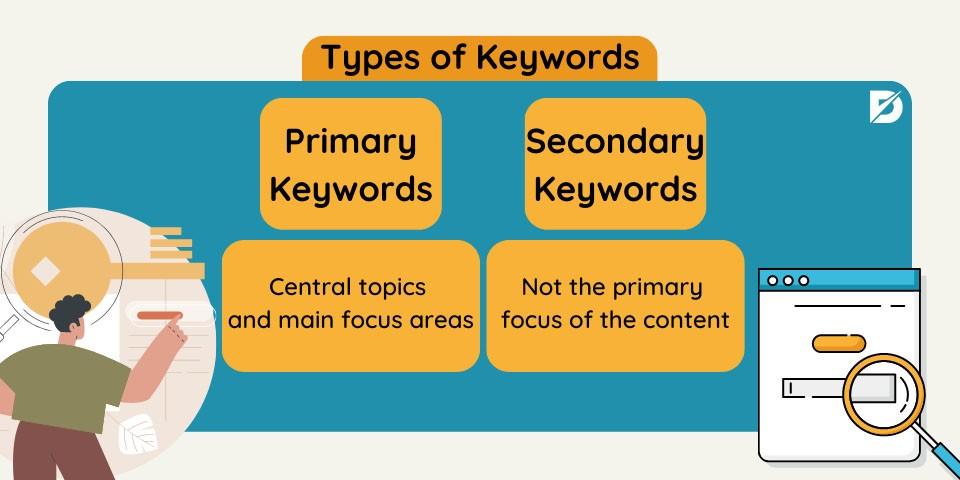
This structure helps search engines clearly understand the main topic while allowing your page to rank for multiple related search terms.
For example, if your primary keyword is: “How many SEO keywords per page”
Your secondary keywords could include:
- SEO keyword density
- keyword optimization
- keyword stuffing
- SEO content strategy
- focus keywords
Related semantic terms may include:
- search engine rankings
- organic traffic
- content relevance
- search intent
- on-page SEO
Instead of forcing keywords repeatedly, the goal is to naturally cover the topic in depth.
Understanding the Role of a Primary Keyword
A primary keyword is the main search term your page is targeting. It defines the central topic of the content and helps search engines understand the page’s purpose.
For example: Primary keyword: “SEO keywords per page”
Every SEO page should have one clear primary keyword to maintain focus and avoid confusion. If you target too many unrelated primary keywords on one page, search engines may struggle to understand which topic the page should rank for.
Where to Place the Primary Keyword
The primary keyword should appear naturally in important SEO areas, including:
- Title tag
- Meta description
- URL
- H1 heading
- Introduction paragraph
- Subheadings
- Image alt text
- Conclusion
Proper placement helps search engines quickly identify the page topic.
What Are Secondary Keywords?
Secondary keywords are closely related terms that support the primary keyword. They help your content rank for additional searches while improving topical relevance.
For example, a page about SEO keywords may also include:
- keyword density
- SEO keyword placement
- semantic keywords
- keyword research
- focus keyword strategy
These keywords provide additional context and help search engines understand the depth of your content.
Why Secondary Keywords Are Important
Secondary keywords:
- Expand ranking opportunities
- Improve topic coverage
- Support semantic SEO
- Help rank for long-tail searches
- Improve natural content flow
Modern search engines understand relationships between words, so using related phrases naturally strengthens SEO performance.
Avoid Keyword Stuffing
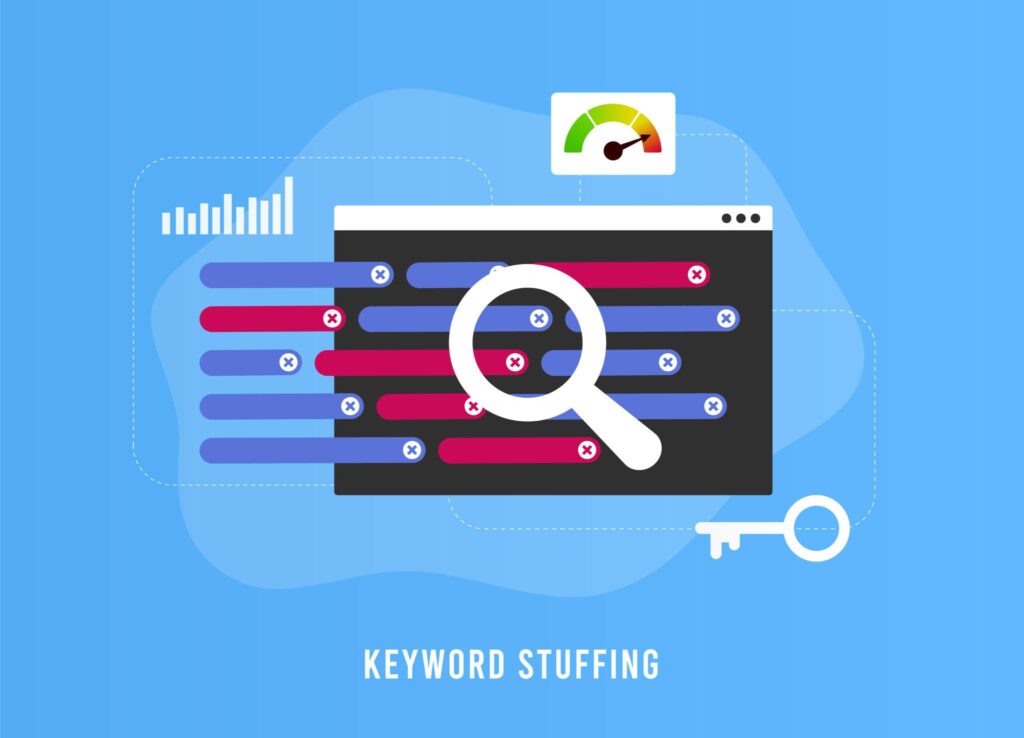
Keyword stuffing is the practice of repeating keywords excessively in an attempt to manipulate rankings. Years ago, websites often ranked by repeating the same keyword dozens of times, but modern search algorithms penalize this behavior.
Example of keyword stuffing: “SEO keywords per page are important because SEO keywords per page improve SEO keywords per page rankings.”
This type of content feels unnatural and creates a poor user experience.
Problems Caused by Keyword Stuffing
- Reduced readability
- Lower search rankings
- Poor user engagement
- Increased bounce rates
- Potential Google penalties
Better Alternative
Instead of repeating exact-match keywords:
- Use synonyms
- Add semantic keywords
- Write naturally
- Focus on solving user problems
High-quality content always performs better than over-optimized content.
Understanding Search Intent
Search intent refers to the reason behind a user’s search query. Google prioritizes pages that best satisfy user intent, making it one of the most important SEO ranking factors today. If your content does not match user intent, ranking becomes much harder even with strong keyword optimization.
Types of Search Intent
1. Informational Intent
Informational intent occurs when users want to learn something, find answers, or understand a topic better. These searches are usually made at the beginning of the customer journey when users are gathering information rather than making a purchase. Content targeting informational intent should focus on providing clear explanations, guides, tutorials, and valuable insights.
Examples:
- How many SEO keywords per page
- What is keyword density
Common content types for informational intent include blog posts, how-to guides, tutorials, FAQs, and educational articles.
2. Commercial Intent
Commercial intent happens when users are researching products or services before making a final decision. They may compare features, read reviews, or look for the best available options. These users are interested in buying but still need more information before choosing a product or service.
Examples:
- Best SEO tools
- Top keyword research platforms
Content for commercial intent should include comparison articles, product reviews, feature breakdowns, pricing guides, and “best tools” lists that help users evaluate different options.
For example, a fleet card provider competing on commercial intent might publish fleet card reviews comparing rebates, acceptance, and per-gallon discounts, capturing decision-stage searches that top-of-funnel content can’t reach.
3. Transactional Intent
Transactional intent means users are ready to take action, such as buying a product, subscribing to a service, or hiring a company. These searches usually indicate strong purchase intent because users already know what they want and are looking for the fastest way to complete the action.
Examples:
- Buy SEO software
- Hire SEO expert
Pages targeting transactional intent should focus on strong calls-to-action, product pages, service pages, landing pages, and clear pricing or signup information to encourage conversions.
4. Navigational Intent
Navigational intent occurs when users search for a specific brand, website, tool, or platform. Instead of exploring general information, users already know where they want to go and use search engines as a shortcut to find the exact page quickly.
Examples:
- Google Search Console
- Ahrefs login
Content targeting navigational intent should make it easy for users to access the intended destination through optimized brand pages, login pages, product pages, and official website content.
Keyword Density Explained
Keyword density refers to how frequently a keyword appears within content compared to the total word count.
In the past, SEO professionals focused heavily on maintaining exact keyword density percentages. Today, search engines are much more advanced and prioritize natural language over strict percentages.
There is no perfect keyword density, but your content should:
- Sound natural
- Avoid forced repetition
- Include related phrases
- Prioritize readability
Modern SEO Focuses More On:
- Search intent
- Topic relevance
- Content quality
- User engagement
- Semantic relationships
Instead of calculating percentages, focus on writing comprehensive and useful content.
The Importance of Semantic Keywords
Modern SEO is no longer based only on exact-match keywords. Search engines now use advanced AI and natural language processing to understand the overall meaning and context of content. This is why semantic keywords have become an essential part of SEO strategy, helping pages rank for a wider variety of related searches.
Semantic keywords are words and phrases related to your main topic. Search engines use them to better understand context and meaning.
For example, a page about SEO keywords may naturally include:
- search rankings
- organic traffic
- on-page SEO
- content optimization
- Google algorithms
These related terms strengthen topical authority and help your content rank for a broader range of searches.
Benefits of Semantic Keywords
- Improve topical relevance
- Support natural writing
- Increase keyword diversity
- Help search engines understand context
- Reduce over-optimization
Semantic SEO has become increasingly important with Google’s AI-driven search algorithms.
Best Places to Add SEO Keywords
Strategic keyword placement improves rankings while keeping the content natural and user-friendly. Instead of forcing keywords everywhere, focus on placing them in important SEO areas where they provide the most value.
1. Title Tag
The title tag is one of the most important on-page SEO elements because it tells search engines and users what the page is about. A well-optimized title can improve both rankings and click-through rates from search results.
Place the primary keyword near the beginning of the title whenever possible to increase relevance and visibility.
2. Meta Description
The meta description gives users a short summary of your page in search engine results. While it is not a direct ranking factor, it strongly influences click-through rates and user engagement.
Include the primary keyword naturally while writing a compelling description that encourages users to click on your page.
3. URL
URLs help search engines and users understand the page topic quickly. Short, clean, and descriptive URLs are easier to read and improve SEO performance.
Keep URLs keyword-focused and avoid unnecessary numbers, symbols, or extra words.
Example: /seo-keywords-per-page
4. H1 Heading
The H1 heading is usually the main title displayed on the page. It helps search engines identify the primary topic and improves content structure for readers.
Your H1 should clearly describe the topic while naturally including the primary keyword.
5. Introduction
The introduction is one of the first sections search engines crawl when analyzing a page. Mentioning the primary keyword early helps establish topic relevance immediately.
Adding the keyword naturally within the first paragraph also reassures readers that the page matches their search intent.
6. Subheadings
Subheadings improve readability by organizing content into clear sections. They also provide opportunities to include secondary keywords naturally throughout the page.
Using related keywords in H2 and H3 headings strengthens topical relevance and helps search engines understand content structure.
7. Image Alt Text
Image alt text helps search engines understand the content of images while also improving accessibility for users with screen readers. Properly optimized alt text can contribute to image search visibility.
Describe images naturally and include relevant keywords only when appropriate and contextually accurate.
8. Conclusion
The conclusion summarizes the main points of the content and reinforces the overall topic. It provides another opportunity to naturally include keyword variations and related phrases.
A strong conclusion improves content completeness while helping search engines better understand the page context.
Should You Target Multiple Keywords on One Page?

Yes, but only if the keywords are closely related and share the same search intent. A single page can rank for hundreds of keyword variations when the topic is covered comprehensively.
For example, one page may target:
- SEO keywords per page
- keyword density
- focus keywords
- keyword optimization
Because these terms are closely related, they support the same topic naturally.
When to Create Separate Pages
You should create separate pages if keywords:
- Represent different topics
- Have different search intent
- Require unique content
- Target different audiences
This strategy prevents keyword cannibalization and improves ranking clarity.
Common SEO Keyword Mistakes
1. Targeting Too Many Keywords
Trying to rank for unrelated topics on one page weakens relevance.
2. Ignoring Search Intent
Even optimized content may fail if it doesn’t match what users want.
3. Keyword Stuffing
Overusing keywords creates poor readability and hurts SEO.
4. Using Only Exact-Match Keywords
Modern SEO requires semantic and contextual optimization.
5. Writing Only for Search Engines
Content should prioritize users first and search engines second.
Best SEO Keyword Strategy for Modern Websites
A successful keyword strategy focuses on quality, relevance, and user experience rather than keyword quantity.
Recommended SEO Keyword Structure
| Keyword Type | Recommended Usage |
| Primary Keyword | 1 Main Keyword |
| Secondary Keywords | 3–8 Related Keywords |
| Semantic Keywords | Naturally Throughout Content |
| Search Intent | Single Intent Focus |
| Keyword Placement | Strategic and Natural |
Best Practices
- Focus on one main topic
- Use related keywords naturally
- Match search intent
- Create valuable content
- Avoid over-optimization
- Update content regularly
Consistent optimization combined with high-quality content produces the best long-term SEO results.
Final Thoughts
There is no perfect number of SEO keywords every page should contain. The best approach is to focus on one primary keyword supported by relevant secondary and semantic keywords.
Modern SEO is no longer about keyword repetition. Search engines reward content that is informative, well-structured, relevant, and helpful to users. Instead of trying to optimize for dozens of unrelated terms, create focused content that fully answers user questions and delivers real value.
When keywords are used naturally and strategically, your content has a much better chance of ranking higher, attracting organic traffic, and improving overall user engagement.
Frequently Asked Questions (FAQs)
1. How many SEO keywords should I use per page?
Most SEO experts recommend using 1 primary keyword, 3–8 secondary keywords, and several related semantic keywords naturally throughout the content.
2. Can I target multiple keywords on one page?
Yes, you can target multiple keywords if they are closely related and share the same search intent. Avoid combining unrelated topics on one page.
3. What is keyword stuffing in SEO?
Keyword stuffing means repeating the same keyword excessively to manipulate rankings. It makes content unnatural and can negatively affect SEO performance.
4. Do semantic keywords help SEO?
Yes, semantic keywords help search engines understand content context and improve topical relevance, which can increase ranking opportunities.
5. Where should I place SEO keywords on a page?
Important keyword placement areas include the title tag, meta description, URL, headings, introduction, subheadings, image alt text, and conclusion.
6. Does keyword density still matter in SEO?
Keyword density is less important today than content quality and search intent. Keywords should be used naturally instead of focusing on exact percentages.
7. What is the difference between primary and secondary keywords?
A primary keyword is the main term a page targets, while secondary keywords are related phrases that support the main topic and improve content relevance.
8. Why is search intent important for SEO?
Search intent helps search engines understand what users want. Content that matches user intent has a better chance of ranking higher in search results.